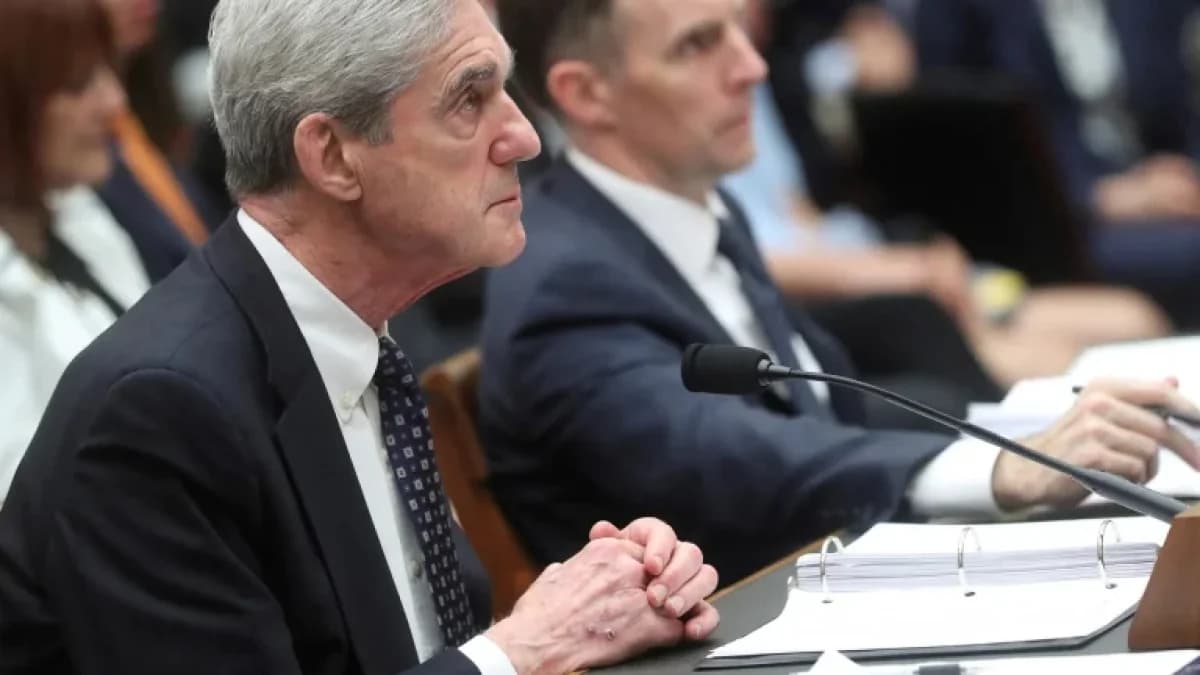
Robert Mueller, former FBI director who led Trump investigation, dies at 81.
Key Takeaways
- Mueller died at age 81, family announced his death.
- Led the FBI from 2001 to 2013, later served as Trump-Russia special counsel.
- Trump posted 'I'm glad he's dead' about Mueller on Truth Social.
Death Announcement
Robert S. Mueller III, the former FBI director who led the high-profile investigation into Russian interference in the 2016 U.S. presidential election and potential ties to Donald Trump's campaign, has died at the age of 81.
“Personalized content and ads can also include things like video recommendations, a customized YouTube homepage, and tailored ads based on past activity, like the videos you watch and the things you search for on YouTube”
His family announced his death on Saturday, stating 'With deep sadness, we are sharing the news that Bob passed away' on Friday night and requesting privacy during their mourning period.
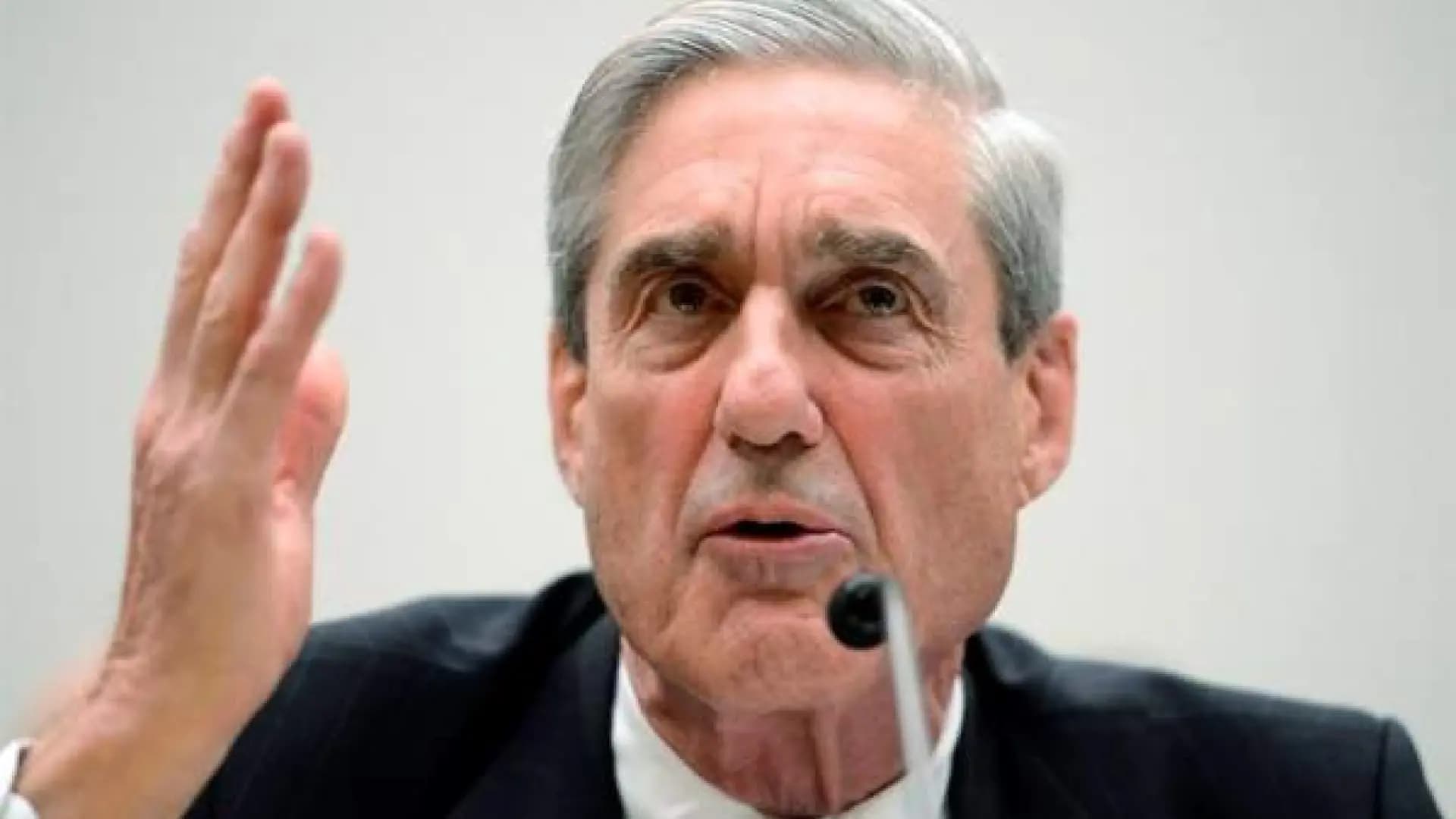
The announcement prompted immediate and polarized reactions across the political spectrum, with President Trump posting on Truth Social that 'Robert Mueller just died. Good, I'm glad he's dead. He can no longer hurt innocent people!'
The timing of Mueller's death comes nearly five years after his family disclosed he had been battling Parkinson's disease, which had significantly impacted his mobility and speech in recent years.
FBI Transformation
Mueller's tenure as FBI director, which spanned from 2001 to 2013, began just one week before the September 11, 2001 terrorist attacks, an event that instantly transformed the bureau's mission from domestic crime-fighting to counterterrorism.
As the second-longest-serving FBI director in history after J. Edgar Hoover, Mueller oversaw a sweeping reorganization that shifted 2,000 of the bureau's 5,000 criminal agents to national security roles.

Under his leadership, the FBI enhanced its intelligence capabilities, upgraded technology, and forged new domestic and international partnerships to address the evolving terrorist threat.
Mueller faced immense pressure during this period, acknowledging that preventing 99 out of 100 terrorist plots wasn't good enough in the aftermath of the 9/11 attacks, while also navigating criticism over the FBI's use of expanded surveillance powers under the Patriot Act.
Russia Investigation
Mueller returned to national prominence in 2017 when he was appointed special counsel by the Justice Department to investigate Russian interference in the 2016 election and potential coordination with Trump's campaign.
“It also outlined potential instances of obstruction of justice but stopped short of making a prosecutorial decision”
The investigation, which lasted nearly two years, resulted in criminal charges against six of Trump's associates, including former campaign chairman Paul Manafort and first national security adviser Michael Flynn.
Mueller's 448-page report, released in April 2019, identified substantial contacts between the Trump campaign and Russia but did not establish a criminal conspiracy.
However, the report notably declined to clear Trump of obstruction of justice, stating 'If we had confidence after a thorough investigation of the facts that the president clearly did not commit obstruction of justice, we would so state. Based on the facts and the applicable legal standards, we are unable to reach that judgment.'
Mueller's restrained approach to the investigation, characterized by his refusal to hold press conferences or make public appearances during the inquiry, created an aura of mystery around his work and drew criticism from both sides of the political spectrum.
Career Background
Born in New York City in 1944, Mueller built a distinguished career that spanned military service, federal prosecution, and law enforcement leadership before becoming FBI director.
A decorated Marine Corps veteran of the Vietnam War, Mueller served as an officer leading a rifle platoon and was awarded the Bronze Star, Purple Heart, and two Navy Commendation Medals for his service.

Following his military service, he earned a law degree from the University of Virginia and quickly rose through the ranks in federal prosecutors' offices in San Francisco and Boston from 1976 to 1988.
Later, as head of the Justice Department's criminal division, he oversaw high-profile prosecutions including the convictions of Panamanian dictator Manuel Noriega and New York crime boss John Gotti.
Mueller's career was marked by an old-school, buttoned-down style that made him an anachronism in the social media era, but earned him respect across party lines for his integrity and commitment to the rule of law.
Contested Legacy
Mueller's legacy remains deeply contested across the American political landscape, reflecting the profound polarization that characterized his most famous investigation.
“WASHINGTON -- Robert S”
Former President George W. Bush praised Mueller as 'a man who exemplifies' the FBI's core virtues of 'fidelity, bravery and integrity,' while former President Barack Obama noted that Mueller had 'set the gold standard for leading the bureau.'
Democratic Senator Mark Warner honored Mueller's 'devotion to service' and his belief in 'the rule of law and the responsibility to uphold it.'
In contrast, Trump's continued attacks on the Mueller investigation as a 'witch hunt' and his celebratory reaction to Mueller's death underscore the lasting political divisions surrounding the Russia probe.
Mueller's career, which spanned both Republican and Democratic administrations, represents a bygone era of institutional loyalty and bipartisan respect that has increasingly given way to partisan warfare in American politics.
More on USA

ICE Detainee Royer Perez-Jimenez Dies in Florida Detention Center; Officials Suspect Suicide
10 sources compared

President Donald Trump threatens to deploy ICE to airports as DHS funding bill stalls
35 sources compared
Elon Musk Offers to Pay TSA Salaries During US Government Shutdown
37 sources compared

California lawmakers rename Cesar Chavez Day to Farmworkers Day amid sexual abuse allegations.
17 sources compared