Iran05 March, 20263 min read
Trump Demands Role in Picking Iran’s Next Supreme Leader After Killing of Ayatollah Khamenei
Trump said he must be involved in choosing Iran’s next leader. He called Mojtaba Khamenei "unacceptable" and "a lightweight."
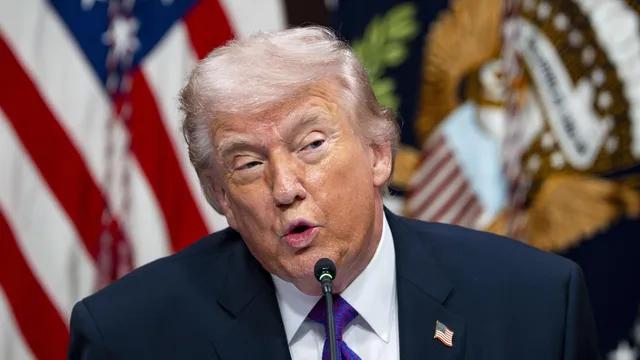
US role in Iran succession
Multiple outlets reported that Ayatollah Ali Khamenei was killed in what they attribute to a U.S.-Israeli strike. President Donald Trump told several outlets he wants the United States to have a role in choosing Iran's next supreme leader and explicitly criticised Mojtaba Khamenei as an unacceptable option. Coverage across Western and regional outlets recorded Trump saying the United States should be involved in the succession process and that he favours a successor who would bring 'harmony and peace'.
“President Trump told Reuters, Axios and the New York Times that he wants a role in choosing Iran’s next leader, called Mojtaba Khamenei ‘unacceptable,’ and suggested using a Venezuela‑style approach to replace Iran’s leadership.”
Those comments have been framed as direct intervention in Iran's internal succession. Trump also likened his approach to methods used in Venezuela, saying a Venezuela-style model could apply.
Khamenei succession and violence
Reporting emphasises that the death of Ali Khamenei — described in multiple snippets as occurring on Feb. 28 in a coordinated strike — immediately made succession the central crisis in Tehran.
Outlets and analysts note Mojtaba Khamenei is widely discussed as a potential successor, portrayed by analysts as highly conservative and possibly more hardline than his father, though coverage also stresses the situation is fluid with unconfirmed reports and delays in formal succession processes.
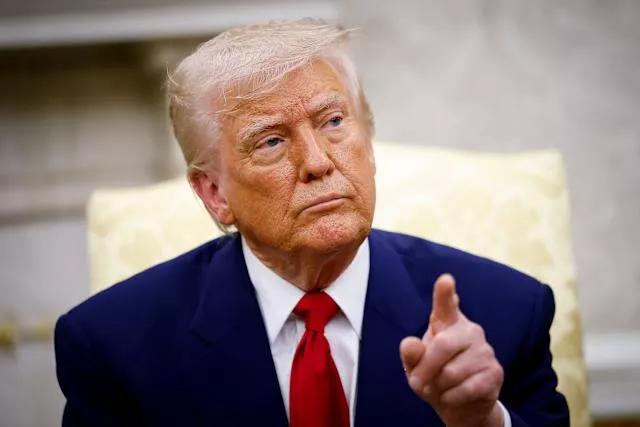
Iran’s health ministry and other sources appear in some accounts with casualty tallies tied to the wider violence.
U.S. influence concerns abroad
Multiple outlets highlight concerns and confusion about the legal and policy implications of a U.S. leader openly seeking to influence or 'help' choose another country's theocratic supreme leader. Commentators and papers argue such statements risk undermining U.S. credibility.
“The article argues that recent actions risk undermining credibility, raise legal and ethical questions about improper interference, and could exacerbate instability in the region.”
They say the statements raise legal and ethical questions about improper interference and have provoked alarm among diplomats and analysts. Diplomats and analysts warn the comments create uncertainty about U.S. intentions and could exacerbate instability in an already volatile region.
Trump and Kurdish messaging
Trump’s public comments included encouragement for Iranian Kurdish opposition forces and praise for tactics used elsewhere. U.S. and allied military actions, and reported consultations with Kurdish militias, appear alongside the political messaging.
Some pieces record Trump urging Kurdish forces to act and saying he would be "all for it." Other pieces quote him endorsing a Venezuelan-style replacement strategy, framing his statements as both political pressure and encouragement to anti-Tehran actors.
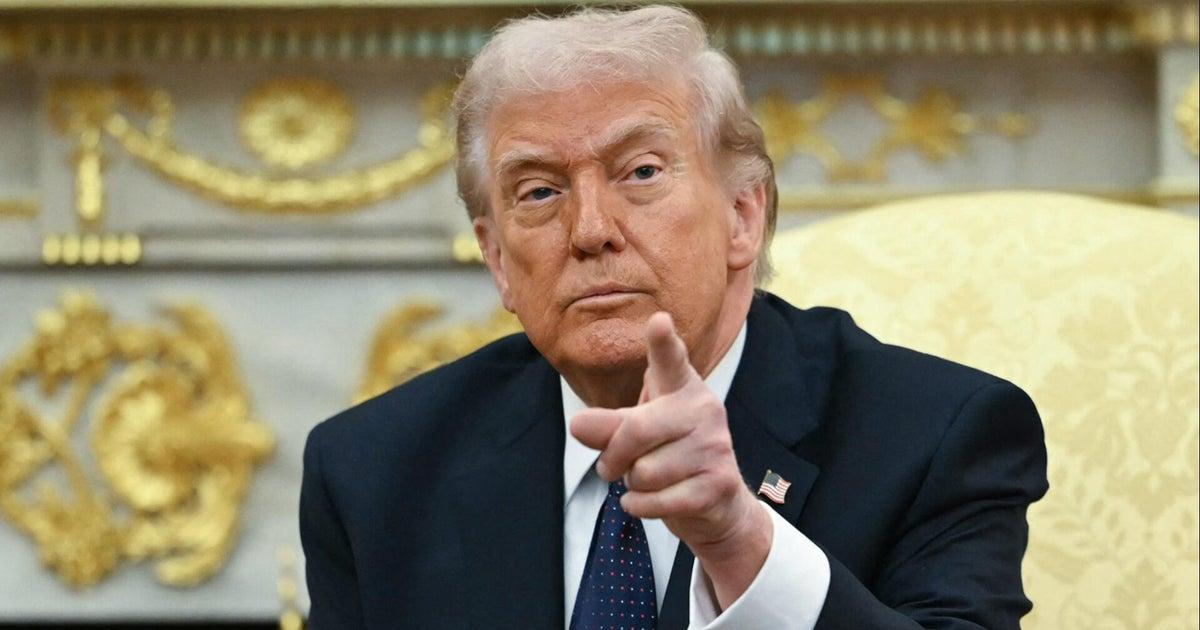
Widening regional fallout
The political intervention claims sit against a backdrop of widening military, diplomatic and economic fallout reported across outlets, including strikes inside Iran and beyond, evacuations and embassy suspensions, disrupted shipping through the Strait of Hormuz, and rising energy market volatility. Coverage lists large troop deployments, reported naval actions and casualty figures referenced in some reports. Cancelled commercial flights and evacuations are among the disruptions outlets tie to the broader instability that the succession dispute has intensified.
“The war with Iran has entered its sixth day and widened beyond Iran's borders, with Azerbaijan reporting drone strikes and U.S. and Israeli forces mounting strikes inside Iran.”
Coverage of Iran succession
Reporting notes important uncertainties and contradictions, with outlets disagreeing or stressing that key details remain unverified. Analysts question how the U.S. could practically shape a succession decided by Iran’s clerical bodies.
Some coverage documents Iranian officials’ concern that U.S. statements will be viewed as illegitimate foreign interference. While multiple sources record Trump’s demand for an active U.S. role, they also emphasise that the succession process is controlled by Iranian institutions, that accounts remain fluid, and that the statements have intensified diplomatic and legal debates.