Trump Extends Ceasefire With Iran Until Tehran Submits Proposal
Key Takeaways
- Trump extends Iran ceasefire indefinitely, pending Tehran's submission of a unified proposal.
- Iranian reactions largely silent; some advisers call extension a ploy.
- Extension allows negotiations to conclude and end hostilities.
Ceasefire extended, Iran silent
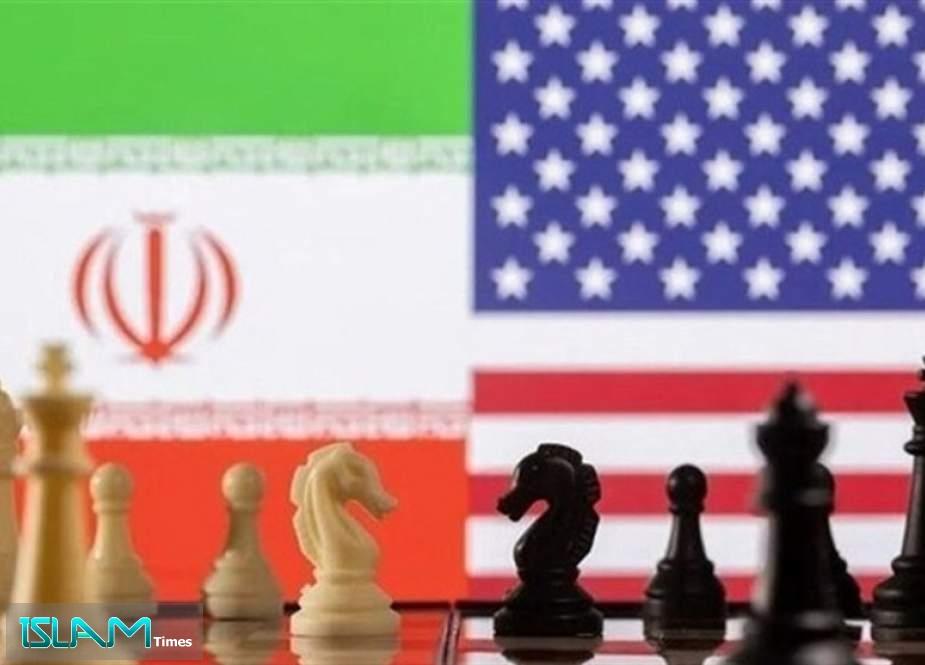
US President Donald Trump announced he would extend the ceasefire with Iran, even after he had repeatedly claimed he would not extend it, and the extension was framed as a delay until Tehran submits a proposal.
Mehr News Agency said Trump claimed Pakistan’s Army chief Asim Munir and Prime Minister Shehbaz Sharif asked him to delay an attack on Iran until a proposal is presented by Tehran, and that Trump was forced to unilaterally announce the ceasefire extension despite previously emphasizing he would not extend “under any circumstances.”

The Washington Post reported Trump extended the ceasefire with Iran hours before it was due to expire, pledging to refrain from attacks until discussions with Tehran “are concluded, one way or the other.”
CNN described Trump’s move as extending the ceasefire with Iran until Tehran has submitted a proposal to end the conflict permanently, while also noting Trump said the US would continue the blockade of Iranian ports.
CBS News quoted Trump’s Truth Social post directing the Military to “continue the Blockade” and extending the Ceasefire until “their proposal is submitted, and discussions are concluded, one way or the other.”
In parallel, multiple outlets emphasized Iran’s lack of an official response: Mehr News Agency said Iranian officials maintained calm and silence and announced no official position on participating in negotiations, while Australian Broadcasting Corporation said it was “not immediately clear whether Iran will agree to the extended ceasefire” and that “We have yet to officially hear from Iran’s foreign ministry.”
Why the extension happened
The sources depict the ceasefire extension as tied to Pakistan’s mediation role and to Trump’s stated conditions for ending hostilities.
Mehr News Agency said Trump had previously openly emphasized that he would not extend the ceasefire “under any circumstances” and that Iran must participate in the Islamabad talks, but that he was forced to extend it after Pakistan’s leaders asked him to delay an attack until Tehran presents a proposal.
CNN reported that Trump’s extension was announced hours before it was due to expire and that in a Truth Social post Trump said the extension was due to Iran’s government being “seriously fractured,” while also stating Pakistani officials requested the move.
CNBC similarly said Trump extended the two-week U.S. ceasefire with Iran and cited Tehran’s government being “seriously fractured,” adding that the ceasefire would continue “until such time as” Iran’s leaders and representatives submit a “unified proposal.”
CBS News added that the extension was granted at Pakistan’s request and that Trump blamed Iran’s “seriously fractured” government for the delay, while also saying he was giving Iranian officials more time to “come up with a unified proposal.”
The Australian Broadcasting Corporation live updates also included a competing Iranian framing, with Tasnim News Agency saying Tehran had not asked for a ceasefire extension and with an adviser to Mohammad Baqer Qalibaf describing the announcement as a “ploy to buy time.”
Reactions from Tehran and Washington
Reactions in the sources split between Trump’s framing of the extension and Iranian officials’ rejection or skepticism about negotiations under pressure.
CNN reported that an Iranian senior adviser said Trump’s extension “means nothing” and that Tehran should respond militarily, while it also said Iran’s foreign minister described the US blockade as an “act of war” and violated the ceasefire.
In the same CNN account, Mahdi Mohammadi, a senior adviser to Speaker Mohammad Bagher Ghalibaf, dismissed Trump’s announcement, saying it “means nothing,” and the report noted that Ghalibaf had led the first round of negotiations in Islamabad and was expected to attend a second round opposite Vice President JD Vance.
Mehr News Agency said Iranian officials emphasized that the US has violated the ceasefire in recent days and that Iran will not negotiate under pressure and threats, while also maintaining calm and silence about participating in talks.
CNBC added that Iranian state news outlet Tasnim reported negotiators from Tehran informed their U.S. counterparts through an intermediary in Pakistan that they would not appear for further talks, and it quoted Tasnim’s claim that “attending the negotiations is a waste of time because the US prevents reaching any suitable agreement.”
On the U.S. side, CBS News and CNN both quoted Trump’s insistence that the extension was conditional on a proposal and concluded discussions, while Fox News included CENTCOM’s posture of readiness, with Adm. Brad Cooper saying, “We’re rearming, we’re retooling, and we’re adjusting our tactics, techniques, and procedures,” during the ceasefire.
Talks, deadlines, and the Strait
As the ceasefire extension unfolded, the sources described uncertainty around whether talks in Islamabad would proceed and how the Strait of Hormuz and the blockade would be handled.
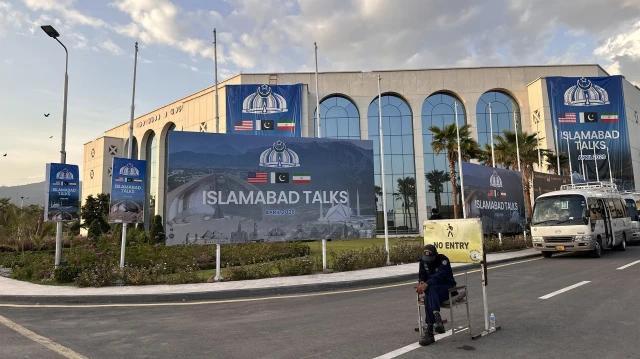
Fox News said the talks between the Iranian and U.S. delegations were initially set for Tuesday and then delayed to Wednesday, but have now been postponed indefinitely, and it quoted a White House official saying the U.S. negotiating team would not be traveling to Pakistan on Tuesday because Trump was awaiting a “unified” proposal from Iran.
CNN similarly said Vice President JD Vance’s expected trip to Islamabad to lead talks with Iran has been called off for the day, citing a White House official, and it reported that Vance had been slated to travel alongside special envoy Steve Witkoff and senior adviser Jared Kushner.
Ynetnews reported that Pakistan’s information minister Attaullah Tarar said no official response had yet been received from Tehran on whether it would attend talks in Islamabad, and it said the ceasefire was set to end at 2:50 a.m., contradicting U.S. statements that put its expiration at 3 a.m. overnight between Wednesday and Thursday.
On the maritime front, Fox News and CNN both described continued U.S. blockade of Iranian ports, with Fox News citing Tasnim’s claim that “As long as the blockade persists, Iran will not reopen the Strait of Hormuz, and, if necessary, it will break the blockade by force,” and CNN stating Trump said the US would continue the blockade of Iranian ports.
Fox News also reported that U.K. and French military planners from more than 30 countries would meet in London on April 22 to chart a path toward reopening the Strait once conditions allow, and it quoted John Healey saying the goal is “to translate the diplomatic consensus into a joint plan to safeguard freedom of navigation in the Strait and support a lasting ceasefire.”
International stakes and pressure
Beyond the U.S.-Iran channel, the sources show international efforts and economic stakes tied to the Strait of Hormuz and to the broader conflict.
The Australian Broadcasting Corporation live updates quoted UN secretary-general António Guterres’s spokesman as saying Trump’s ceasefire announcement will create “critical space for diplomacy and confidence-building between Iran and the United States,” and it included the spokesman’s call to “refrain from actions that could undermine the ceasefire, and engage constructively in negotiations to reach a sustainable and lasting resolution.”

The same ABC live report quoted Prime Minister Anthony Albanese saying the “economic tail” of the Iran war will grow the longer the conflict drags on, and it said “There are ships stuck in the Strait of Hormuz as one issue,” while also stating it is “often about 30 days of travel from … [the strait] to a destination in Asia.”
Fox News described additional pressure through sanctions and military planning, including Treasury Secretary Scott Bessent’s warning that “In a matter of days, Kharg Island storage will be full and the fragile Iranian oil wells will be shut in,” and it said the U.S. would continue the blockade of Iranian ports.
CNN also reported that Treasury Secretary Scott Bessent said oil storage in Iran’s Kharg Island will be full in days, emphasizing the continued US blockade on ships entering and exiting Iranian ports and other efforts to financially weaken the Iranian regime.
In parallel, Fox News said Iran threatened to break the U.S. blockade “by force, if necessary,” and it cited Tasnim’s description of continued hostility, while also reporting that Iran vows to break the blockade and keep the Strait of Hormuz closed.
More on Iran
Donald Trump Extends Iran Ceasefire Indefinitely, Keeps U.S. Blockade in Strait of Hormuz
18 sources compared
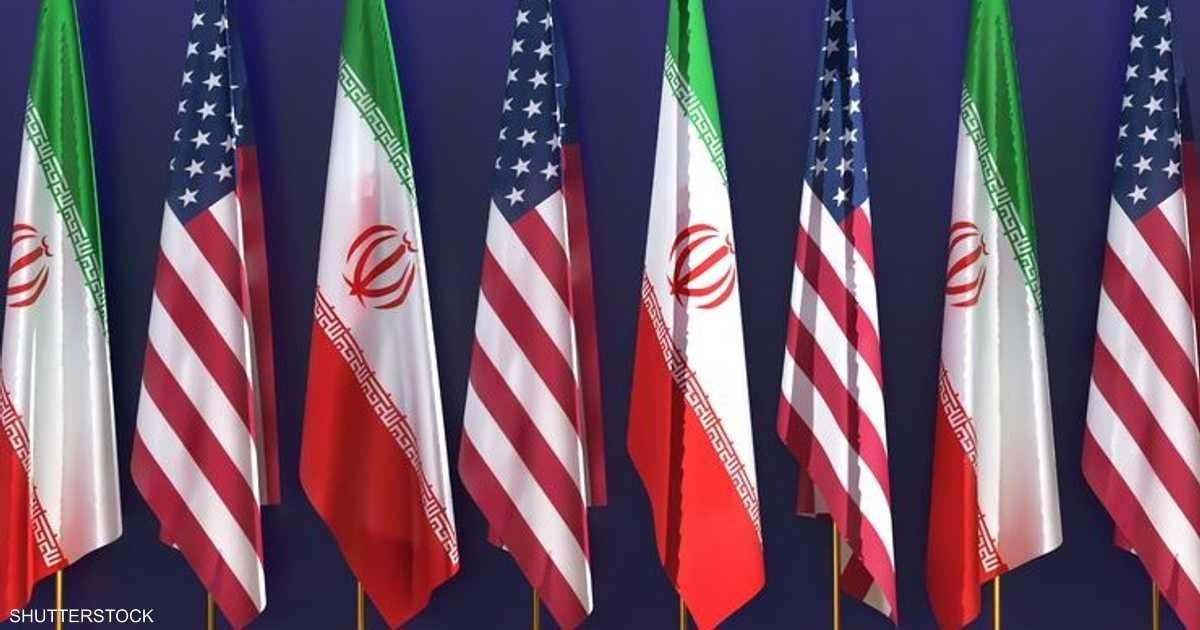
Donald Trump Extends U.S. Ceasefire With Iran, Orders Naval Blockade to Continue
15 sources compared
Donald Trump Extends U.S. Ceasefire With Iran, Keeps Blockade of Iranian Ports
12 sources compared
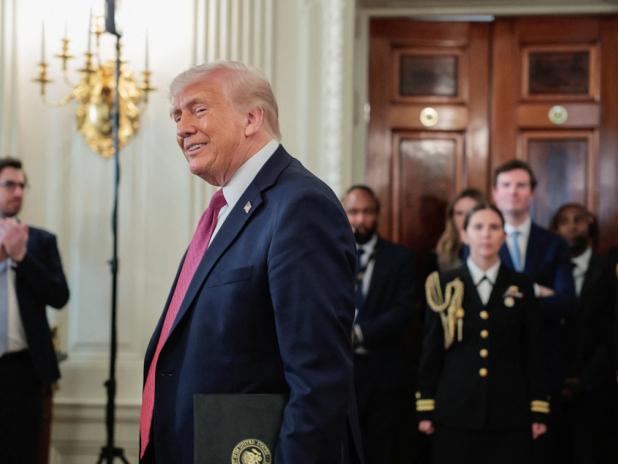
Donald Trump Extends Ceasefire With Iran Indefinitely, Maintains Blockade of Iranian Ports
13 sources compared