
Trump Extends Iran Ceasefire, Keeps Blockade After Talks With Tehran Are Scrapped
Key Takeaways
- Trump extended the Iran ceasefire, delaying a return to bombing.
- U.S. naval blockade of Iranian ports remains in place.
- Pakistan’s mediation prompted the extension, with Tehran asked to submit a unified proposal.
Ceasefire extended, talks delayed
President Donald Trump announced that the United States would extend its ceasefire with Iran, even as the truce was set to expire on Wednesday, and he did so after planned talks between the two countries were scrapped.
“Skip to navigationSkip to contentSkip to footerHelp using this website - Accessibility statement Today's Paper Advertisement World Middle East Middle East conflict Print article”
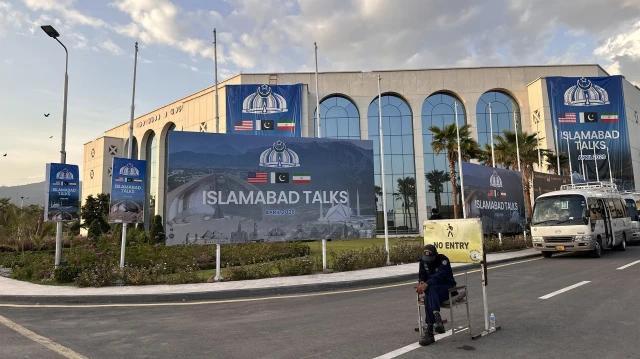
In Washington, the BBC described a “frantic day of diplomacy” in which Air Force Two was ready to fly Vice President JD Vance to Islamabad for another round of peace talks, but “the negotiations were postponed.”

The BBC reported that Vance never officially announced the Islamabad trip, while Iran never officially committed to attending, leaving the White House deciding whether to send Vance “with no assurance that Tehran would even come to the table.”
Trump said he was extending the ceasefire to allow Tehran more time to create a “unified proposal” to end the war, and he framed the decision as being made “at the request of Pakistan,” which has mediated talks between Tehran and Washington.
The Hill likewise quoted Trump’s Truth Social language that the U.S. would hold “our Attack on the Country of Iran until such time as their leaders and representatives can come up with a unified proposal.”
Al Jazeera reported that Trump directed the U.S. military to “continue the Blockade” and “extend the Ceasefire until such time as their proposal is submitted, and discussions are concluded, one way or the other,” while the truce’s extension appeared open-ended from the U.S. side.
The AFR reported that Trump extended the ceasefire “indefinitely” and said the U.S. military would continue its blockade of Iranian ports, while holding off a resumption of strikes at Pakistan’s urging.
Blockade stays, strait remains key
Across multiple reports, the ceasefire extension did not come with a halt to U.S. pressure at sea, and the Strait of Hormuz remained central to the standoff.
WTOP said Trump extended the ceasefire “at Pakistan’s request while awaiting a “unified proposal” from Tehran, even as the U.S. military maintains its blockade of Iranian ports,” and it noted that the White House put on hold Vice President JD Vance’s planned trip to Pakistan.

NBC10 Philadelphia reported that “a U.S. blockade of Iran remains in place,” and it described how Iran targeted ships in the strait over the weekend while the U.S. attacked and boarded “one Iranian vessel that tried to outrun the American naval blockade in the strait.”
The same NBC10 account said the Strait of Hormuz “remains effectively closed over Iranian attacks in the waterway,” and it added that there was “a fear that Iran mined a portion of the strait used by transiting ships during peacetime.”
It also stated that “Since the war, Iran reportedly has been charging as much as $2 million a vessel to allow them to pass,” and it framed the blockade as a key focus of negotiations and “Tehran's strongest leverage against Washington.”
WTOP further quoted U.S. Treasury Secretary Scott Bessent saying the blockade “directly targets the regime’s primary revenue lifelines” and asserted that “Kharg Island storage will be full and the fragile Iranian oil wells will be shut in,” while also stating that “90% of its exports pass” through Kharg Island.
Politico reported that Trump would continue to blockade Iranian shipping in the Strait of Hormuz and said the president did not specify how long the ceasefire and blockade would remain in place, even as it forestalled new attacks he had threatened earlier.
Competing explanations and warnings
While Trump tied the extension to Pakistan’s mediation and a “unified proposal,” Iranian officials and regional figures described the blockade and the diplomatic process in harsher terms.
“United States President Donald Trump has announced an extension to the ceasefire with Iran, saying that the US military will hold off its planned attack to allow more time for Tehran to put forward a proposal to end the war”
Al Jazeera reported that Iran’s Minister of Foreign Affairs Abbas Araghchi called blockading Iranian ports an “act of war” and a violation of the existing ceasefire, and it said Tasnim would announce Tehran’s position later.
NBC10 Philadelphia quoted Iran’s Foreign Ministry spokesman Esmail Baghaei saying there was no “final decision” on whether to attend more talks because of “contradictory messages" and “unacceptable actions” from the Americans, “in particular the U.S. naval blockade of Iran.”
The Hill reported that Iran’s state-run news agency Tasnim said the country’s negotiating team told the U.S. through Pakistan that it would not appear for further talks, including that “attending the negotiations is a waste of time because the US prevents reaching any suitable agreement.”
CNBC reported that an advisor to the speaker of Iran's parliament, Mohammad Baqer Qalibaf, called the ceasefire extension “a ploy to buy time” for a surprise strike, and it said the advisor argued that the continued blockade was “no different from bombardment and must be met with a military response.”
The BBC described how Trump weighed options as the world waited to see if the countries were closer to ending the war, and it quoted James Jeffrey saying there is “no clear formula” for ending wars.
UN Secretary-General António Guterres’ spokesperson Stephane Dujarric said the U.S. announcement would create “critical space for diplomacy and confidence-building between Iran and the United States,” and it urged parties to “refrain from actions that could undermine the cease-fire.”
How outlets frame the same turn
Different outlets portrayed Trump’s ceasefire extension through distinct lenses, even when describing the same core sequence: a postponed Islamabad trip, an open-ended extension, and continued blockade.
The BBC emphasized the uncertainty around whether Vance would travel and whether Iran would attend, noting that Vance “never officially announced the Islamabad trip” and that “Iran never officially committed to attending the talks,” while it framed Trump’s decision as “buying himself more time.”
Politico, by contrast, stressed the about-face and the uncertainty over negotiations, saying Trump would not launch new strikes “at the request of Pakistani officials,” while also highlighting that he had earlier told CNBC, “I expect to be bombing.”
WTOP foregrounded the operational details and the immediate diplomatic status, saying the move came as the White House put on hold Vance’s planned trip and that “Iran has yet to decide whether to join the negotiations in Pakistan.”
The Hill focused on the mechanics of the reversal, quoting Trump’s Truth Social post about holding “our Attack on the Country of Iran” and describing a White House official confirming that “the U.S. delegation’s trip to Pakistan would not be taking place Tuesday.”
Al Jazeera highlighted the language of blockade and the open-ended nature of the extension, quoting Trump’s directive to “continue the Blockade” and to “extend the Ceasefire until such time as their proposal is submitted.”
Anadolu Ajansı framed the extension as a response to a request by Pakistan’s army chief Field Marshal Asim Munir and Prime Minister Shehbaz Sharif, and it quoted Trump saying he was asked to delay renewed military action until leaders could “come up with a unified proposal.”
What comes next and what’s at stake
The reports converge on the idea that the extension buys time but does not resolve the underlying disputes, leaving the next steps tied to whether Iran will attend talks and whether the blockade and Strait of Hormuz issues can be addressed.
NBC10 Philadelphia said the U.S. and Iran had signaled they would hold a new round of talks, with Pakistan-led mediators receiving confirmation that top negotiators, Vance and Iran’s parliament speaker Mohammad Bagher Qalibaf, were expected to lead their teams, but it also said Iran’s Foreign Ministry spokesman Esmail Baghaei told state TV there was “no final decision.”
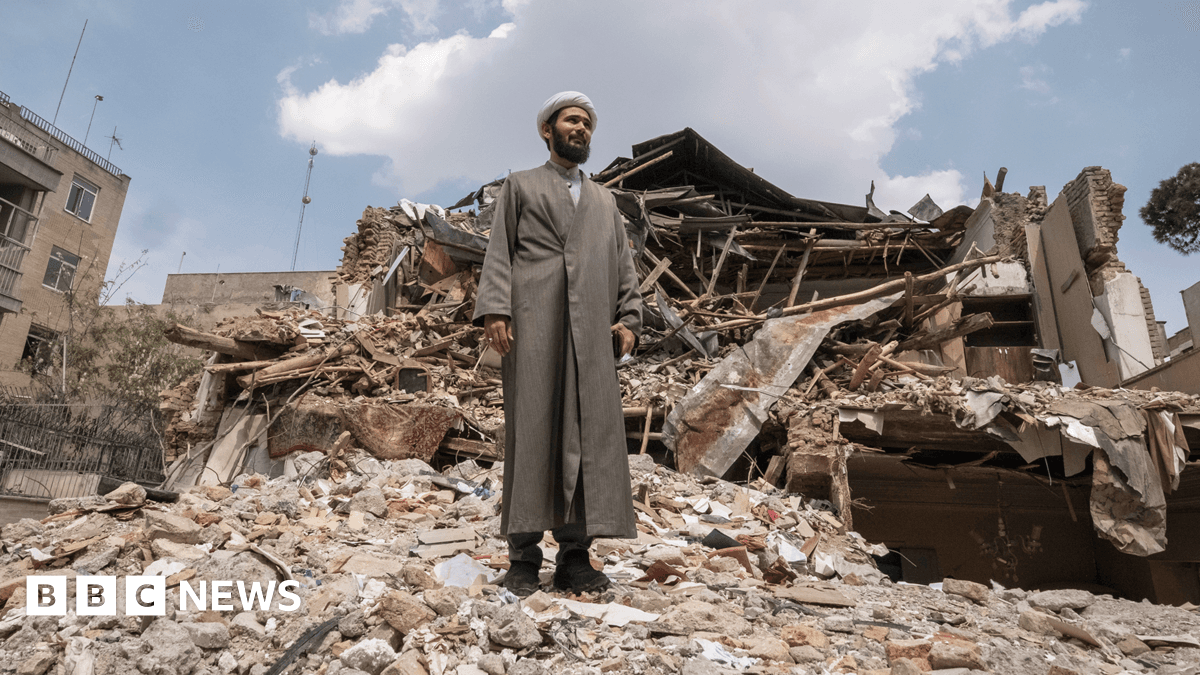
The same NBC10 account said the U.S. and Israel launched the war on Feb. 28, and it described how the current truce began April 8, while it noted that an earlier round of negotiations between Iran and the U.S. was held in Pakistan from April 11 into the early morning the following day.
It also described that “All of Iran’s highly enriched uranium remains in the country,” and it said Trump and Israel called for Iran to “completely dismantle its nuclear program and give up its stockpile,” while Iran rejected that in its 10-point proposal for ending the war.
The BBC similarly said Iran has not signaled interest in ending its nuclear program or support for proxy groups in the Middle East, which it described as “red lines” Trump demanded be included in any final peace deal.
WTOP reported that U.S. Treasury Secretary Scott Bessent said the blockade “directly targets the regime’s primary revenue lifelines” and that “Iranian funds would remain frozen,” while it also said any person or vessel facilitating the flow of funds would risk U.S. sanctions.
The Hill added that the Treasury Department announced new sanctions targeting Tehran’s ability to source parts for its ballistic missile and drone program, and it stated that the sanctions came against “14 people, entities, and aircraftbased in Iran, Turkey and the United Arab Emirates.”
More on Iran
Donald Trump Extends Iran Ceasefire Indefinitely, Keeps U.S. Blockade in Strait of Hormuz
18 sources compared
Donald Trump Extends U.S. Ceasefire With Iran, Orders Naval Blockade to Continue
15 sources compared
Donald Trump Extends U.S. Ceasefire With Iran, Keeps Blockade of Iranian Ports
12 sources compared
Donald Trump Extends Ceasefire With Iran Indefinitely, Maintains Blockade of Iranian Ports
13 sources compared