Trump Extends Iran Ceasefire Until Tehran Submits Proposal, Keeps Blockade In Place
Key Takeaways
- Trump extended the ceasefire with Iran, conditioning it on Tehran submitting a unified end-to-war proposal.
- The blockade of Iranian ports remains in place during the extension.
- The extension followed Pakistan's request to allow Tehran more time for a proposal.
Ceasefire Extended, Blockade Kept
U.S. President Donald Trump extended a ceasefire with Iran while keeping the blockade in place, directing the military “to continue the Blockade and, in all other respects, remain ready and able,” and adding that he would “extend the Ceasefire until such time as their proposal is submitted, and discussions are concluded, one way or the other.”
The extension was announced after Trump said the decision followed a request from Pakistani officials and was based on the claim that the Government of Iran is “seriously fractured,” as he wrote in a Truth Social post.

CNN reported that Trump said the truce would run until Tehran submitted “a proposal to end the conflict permanently,” while also stating the U.S. would continue to blockade Iranian ports.
Al Jazeera similarly described Trump’s announcement as an extension that would pause a planned attack to allow more time for Tehran to put forward a proposal, while the U.S. military would “hold off its planned attack” and keep the blockade.
CBS News said the ceasefire extension would last until talks between the U.S. and Iran are “concluded,” and noted that the two-week ceasefire was originally set to expire Tuesday night.
The same CBS report emphasized that Iran had not publicly reacted to the extension, even as it continued to frame the negotiations around the status of the blockade and the submission of a “unified proposal.”
Iran Rejects, Talks in Flux
Iranian officials pushed back immediately on Trump’s extension, with an Iranian senior adviser telling CNN that the move “means nothing” and that Tehran should respond militarily.
CNN also reported that Iran’s foreign minister said the U.S. blockade amounted to an “act of war” and violated the ceasefire, while Al Jazeera quoted Abbas Araghchi calling blockading Iranian ports an “act of war” and a violation of the existing ceasefire.

In parallel, CNN said Trump’s extension led to the cancellation of Vice President JD Vance’s expected trip to Islamabad for talks that were to follow Trump’s announcement.
The Hill described the ceasefire extension as occurring after a day when potential U.S.-Iran peace talks in Pakistan were “in flux,” and said Iran had publicly not committed to sending envoys.
CNBC reported that Tasnim said Iranian negotiators had informed U.S. counterparts through an intermediary in Pakistan that they would not appear for further talks, and it also cited a Reuters report that an advisor to Mohammad Baqer Qalibaf called the extension “a ploy to buy time” for a surprise strike.
The Jerusalem Post reported that Tasnim said Iranian officials decided not to attend the second round of talks in Pakistan, while also citing a senior Iranian official telling Reuters that Iran may consider attending if “Washington abandons its policy of pressure and threats.”
Amid this uncertainty, RFE/RL reported that Iran had not decided whether to attend a second round of peace talks set to begin in Islamabad, and that the U.S. team led by JD Vance delayed its departure in reaction.
Pakistan Thanks, Negotiations Next
Pakistan’s leadership publicly welcomed the ceasefire extension and framed it as time for diplomacy to proceed toward a “Peace Deal.”
“United States President Donald Trump has announced an extension to the ceasefire with Iran, saying that the US military will hold off its planned attack to allow more time for Tehran to put forward a proposal to end the war”
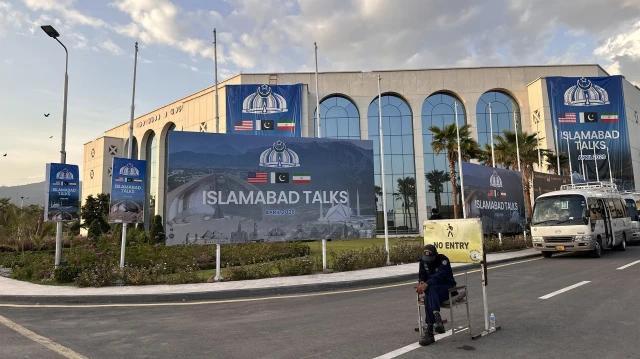
Reuters reported that Pakistan’s Prime Minister Shehbaz Sharif thanked U.S. President Donald Trump for accepting the country’s request to extend the ceasefire in the U.S.-Israeli war on Iran, saying he “sincerely hope[s] that both sides will continue to observe the ceasefire and be able to conclude a comprehensive ‘Peace Deal’ during the second round of talks scheduled at Islamabad for a permanent end to the conflict.”
Al Jazeera also quoted Sharif’s gratitude, saying “I sincerely hope that both sides will continue to observe the ceasefire and be able to conclude a comprehensive ‘Peace Deal’ during the second round of talks scheduled at Islamabad for a permanent end to the conflict,” and it described Pakistani mediators as requesting the extension.
RFE/RL similarly reported that Pakistani Prime Minister Shehbaz Sharif thanked Trump for accepting Pakistan’s request to extend the cease-fire to allow diplomatic efforts to continue, and it tied the extension to uncertainty over whether Tehran would send a team.
CNN reported that Trump’s extension was due to Iran’s government being “seriously fractured” and said Pakistani officials requested the move, while also noting that Vance’s expected trip to Islamabad was called off for the day.
The Hill described the ceasefire extension as occurring after potential talks in Pakistan were “in flux,” and it said Iran had publicly not committed to sending envoys.
In the background of these diplomatic statements, multiple outlets tied the next round of talks to Islamabad, even as they reported conflicting signals about whether Iran would attend.
Blockade, Strait of Hormuz
While Trump extended the ceasefire, the blockade of Iranian ports remained central to the U.S. posture, and multiple outlets linked the policy to pressure on Iran’s energy lifelines.
CNN reported that Treasury Secretary Scott Bessent said oil storage in Iran’s Kharg Island will be full in days, emphasizing the continued U.S. blockade on ships entering and exiting Iranian ports and other efforts to financially weaken the Tehran regime.
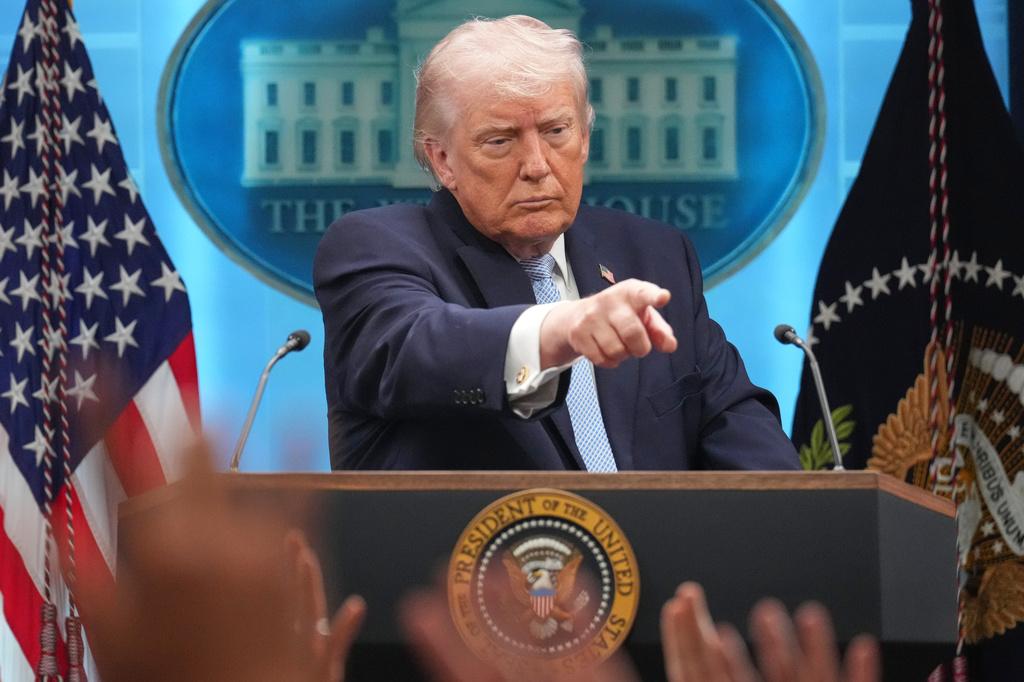
CNN also quoted Bessent saying, “As @POTUS has made clear, the United States Navy will continue the blockade of Iranian ports,” and added that “In a matter of days, Kharg Island storage will be full and the fragile Iranian oil wells will be shut in.”
The same CNN report said the UK and France would convene military planners from over 30 nations in London on Wednesday to discuss reopening the Strait of Hormuz, which it said has been effectively closed for almost two months.
Al Jazeera described the extension as coming as Iranian officials condemned the U.S. naval blockade as putting in doubt their participation in talks scheduled for Wednesday.
CNBC described the Strait of Hormuz as a key point of conflict, saying Iran effectively closed it at the start of the war and that Trump said he had agreed to the ceasefire on condition that the strait be fully reopened.
The Jerusalem Post said Trump clarified that the U.S. blockade on the Strait of Hormuz would also continue alongside the ceasefire extension.
Markets, Sanctions, and Next Steps
The ceasefire extension coincided with market moves and new U.S. sanctions, while multiple outlets described continuing uncertainty about whether the truce would hold through the next negotiating phase.
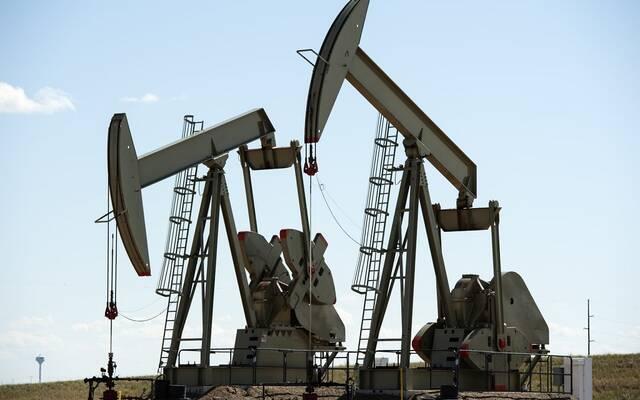
A West Asian live update account said oil prices pared some gains after Trump announced the extension, reporting that Brent crude futures rose about 3% to trade above $93 per barrel and that U.S. West Texas Intermediate (WTI) crude futures held gains of around 2.6% to reach $89.70 per barrel.
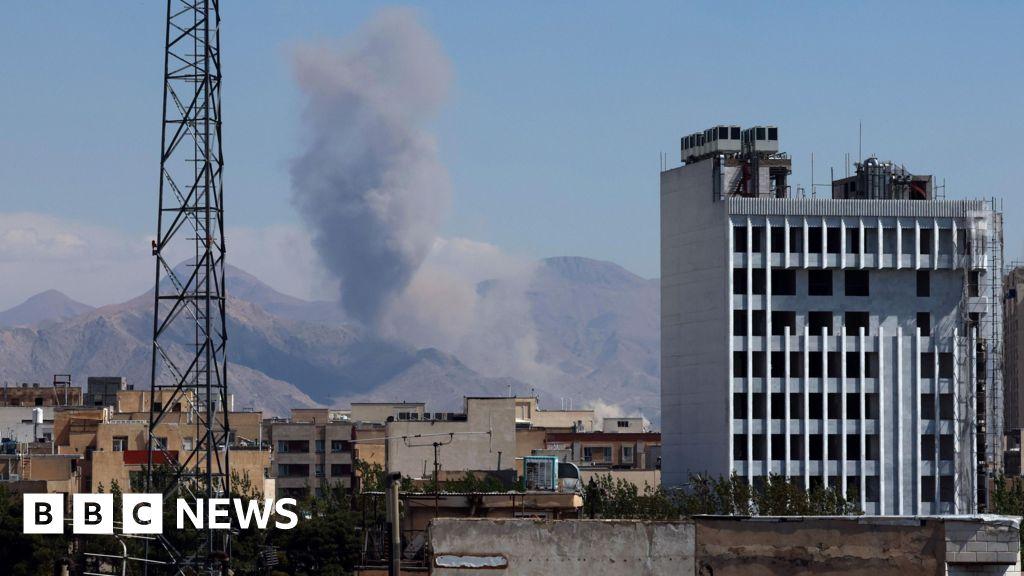
It also quoted Trump’s Truth Social language about directing the military to “continue the siege” and extend the ceasefire until the proposal is submitted and discussions are concluded “whether by agreement or without it.”
The same live update said the White House suspended Vice President Mike Pence’s trip to Pakistan after Iran did not respond to American negotiating positions, and it reported that special envoy Steve Witkoff and Jared Kushner had not left the United States yet.
RFE/RL reported that the United States imposed new sanctions targeting “eight individuals and four entities,” and it said the measures also blocked two aircraft linked to Mahan Air, which Washington said transported Islamic Revolutionary Guards Corps personnel, weapons, and funds.
RFE/RL further said the sanctions targeted networks accused of helping Iran obtain weapons and rebuild missile and drone stockpiles damaged in recent U.S.-Israeli strikes, and it quoted the U.S. Treasury saying Iran was seeking to “reconstitute its production capacity.”
Across the accounts, the extension did not remove the stated linkage between negotiations and continued pressure, with Trump’s language repeatedly tying the ceasefire’s continuation to a “unified proposal” and “discussions” being concluded.
More on Iran
Donald Trump Extends Iran Ceasefire Indefinitely, Keeps U.S. Blockade in Strait of Hormuz
18 sources compared
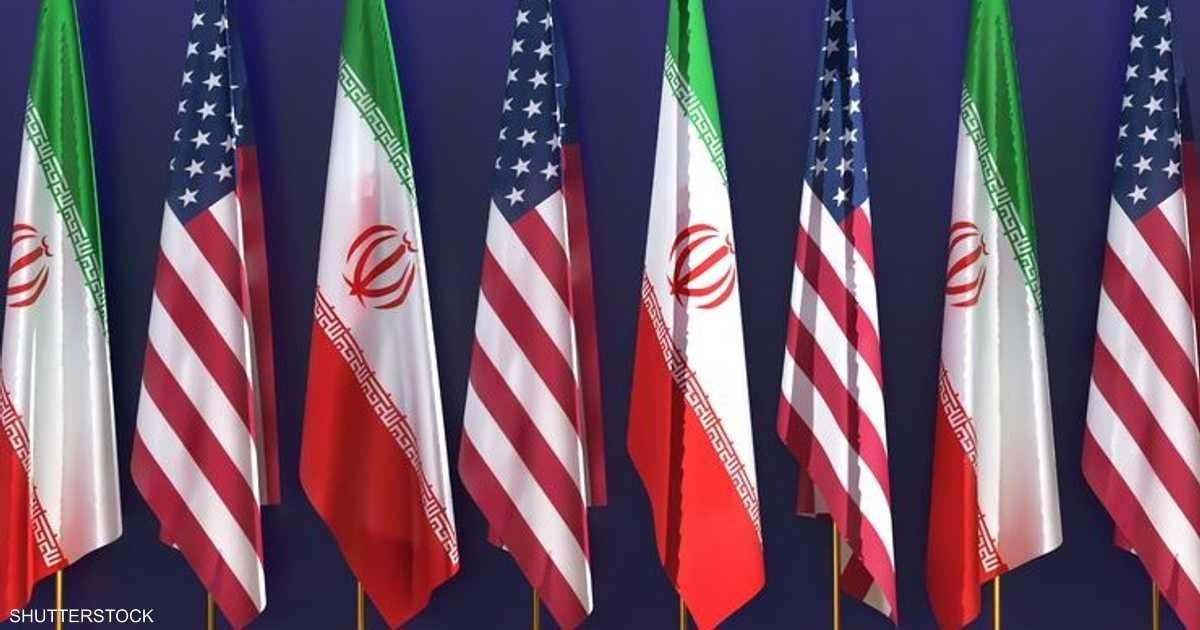
Donald Trump Extends U.S. Ceasefire With Iran, Orders Naval Blockade to Continue
15 sources compared
Donald Trump Extends U.S. Ceasefire With Iran, Keeps Blockade of Iranian Ports
12 sources compared
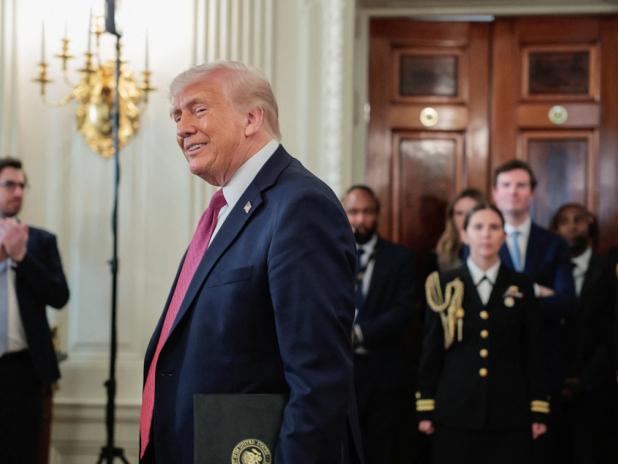
Donald Trump Extends Ceasefire With Iran Indefinitely, Maintains Blockade of Iranian Ports
13 sources compared