
Trump Extends Moratorium On Strikes Targeting Iran's Energy Infrastructure Through April 6
Key Takeaways
- Trump extends moratorium on striking Iranian energy infrastructure to April 6.
- Deadline tied to Iran reopening the Strait of Hormuz by April 6.
- Tehran rejects the US plan and denies ongoing negotiations.
New deadline extension and stakes
Trump’s decision to extend the moratorium on strikes against Iran’s energy infrastructure to April 6 constitutes the single most important new development in the current escalation.
“Trump grants Iran another extension on a deadline to reopen the Strait of Hormuz The war in the Middle East ramped up on Thursday as Israel launched a wave of strikes targeting Iranian infrastructure in the central city of Isfahan, and said it killed the head of the Iranian Revolutionary Guard's navy”
The extension moves the deadline by ten days to Monday, April 6, 8:00 P.M. ET, and is framed by Washington as evidence that negotiations are progressing, even as Tehran publicly rejects the US-led plan.
The move preserves the option of targeting energy facilities, while diplomacy unfolds in parallel with a broader regional flare-up in West Asia.
Plan details and Iran’s response
Behind the extension lies a confrontation over the specifics of a US-backed plan and Tehran’s response.
Washington has pressed a 15-point proposal, while Iran has countered with five conditions, including war reparations and explicit rights over the Strait of Hormuz.

Tehran’s negotiators have reportedly dismissed the 15-point plan as 'one-sided and unfair,' even as Pakistan-based mediators shuttle discussions to bridge gaps between Washington and Tehran.
Escalation across fronts
The regional tinderbox tension has intensified: Israel has conducted strikes in Iran’s heartland—Isfahan—while claiming it killed the head of the IRGC navy.
Tehran has retaliated with missiles toward central Israel.
In parallel, Hezbollah and other allies pressed attacks in Lebanon, as ground fighting in southern Lebanon between Israeli troops and Hezbollah continued.
Diplomacy under pressure
Pakistan’s foreign minister has described indirect talks between the U.S. and Iran, with Islamabad as a mediator.
Iran’s stance on the 15-point plan remains a sticking point, as mediators relay proposals between Tehran and Washington.
There is no definitive breakthrough yet evident as combat operations continue.
Energy security and options
The extension keeps the Strait of Hormuz as the central geopolitical hinge for West Asia energy security.
“Trump grants Iran another extension on a deadline to reopen the Strait of Hormuz The war in the Middle East ramped up on Thursday as Israel launched a wave of strikes targeting Iranian infrastructure in the central city of Isfahan, and said it killed the head of the Iranian Revolutionary Guard's navy”
The extension preserves the risk that energy infrastructure could be targeted while diplomacy proceeds.
The U.S.-Israel escalation and Iran’s conditional responses reinforce the region’s fragility, with leaders weighing further detours into broader conflict or fragile negotiations.
More on Iran

Iran Allows 20 Pakistani-Flagged Ships Through Strait Of Hormuz
14 sources compared
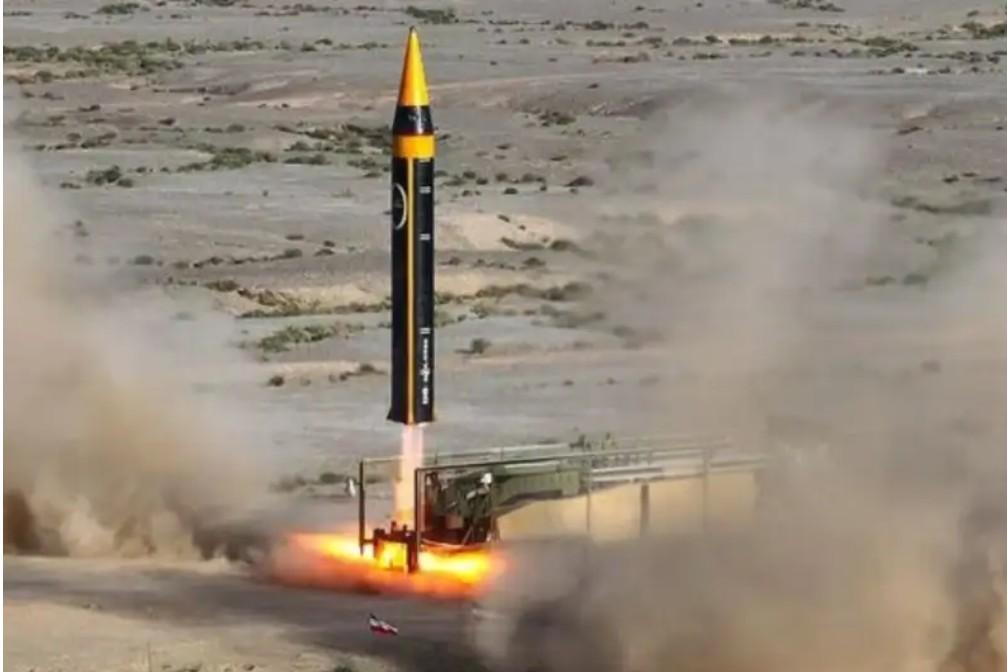
Houthis Formally Enter Iran-Israel War By Firing Missiles And Drones At Israel
16 sources compared
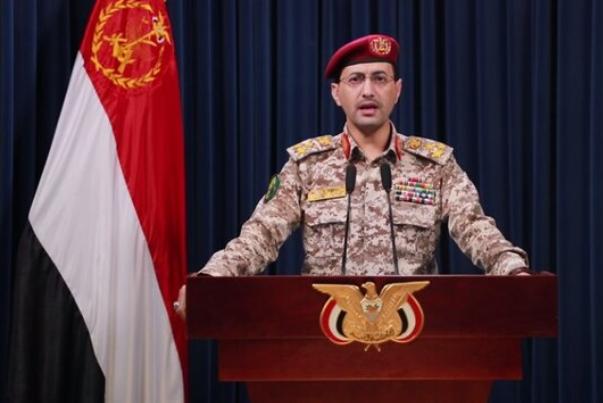
Houthis Launch First Missiles At Israel, Joining Iran War And Threatening Red Sea Routes
75 sources compared

Pentagon Plans Weeks-Long Ground Operations In Iran
21 sources compared