
Trump Extends Strait of Hormuz Deadline 10 Days, Demands Iran Stop Uranium Enrichment
Key Takeaways
- Trump extended the Strait of Hormuz deadline by ten days.
- Threatened to strike Iran's power plants if Hormuz not reopened.
- Stocks fell and oil prices rose amid the delay.
New development: Hormuz pause and troop debates
Trump’s 10-day extension of the Strait of Hormuz deadline is the defining new development in the Iran war, signaling a potential pivot from a pure military countdown to a diplomatic pause that could shape the next phase of the conflict.
“Kuwait says Mubarak Al-Kabeer Port targeted by drone, cruise missile Public Works Ministry reports material damage but no casualties at strategic port project ISTANBUL Kuwait’s Public Works Ministry said Friday that Mubarak Al-Kabeer Port in southern Kuwait was targeted in a combined drone and cruise missile attack, marking the second strike on a port in the country the same day”
The White House framed the move as a pause on planned strikes against Iran’s energy infrastructure, pushing the deadline to April 6 and tying the pause to ongoing talks that officials say are 'going very well'.

Iranian officials publicly disputed the claim that Tehran asked for the pause, saying they had not submitted any request to halt strikes.
Reports from U.S. outlets and, notably, The Wall Street Journal, described discussions in Washington about a sizable troop increase to back Gulf operations — with a projected 10,000 additional ground troops.
Non-Western outlets echoed the framing, presenting the pause as part of a diplomacy-first track even as attacks and counterstrikes continue across the region.
Demands, mediation, and denials
The pause is accompanied by a set of debated demands and potential conditions that could govern any de-escalation.
Washington’s public framing centers on diplomacy, with officials describing the talks as moving toward a diplomatic resolution, while Washington also hints at hard leverage if Iran does not change course.

NBC reporting notes a controversial element: U.S. discussions reportedly include Iran abandoning uranium enrichment as part of a broader de-escalation package.
Indirect talks mediated through Pakistan are highlighted as part of a possible path forward, a feature noted by The National.
Iran has publicly pushed back on the pause narrative, with an Iranian official telling a foreign outlet that Tehran did not submit a request for a pause, underscoring the risk that mixed signals could derail any agreement.
Gulf port strikes and regional spillover
Regional repercussions swiftly followed the political maneuvering, with Kuwait’s port system bearing the blunt end of the man-made escalation.
“Kuwaiti authorities have reported a new attack targeting critical infrastructure, with Mubarak Al-Kabeer Port on Bubiyan Island coming under fire from drones and cruise missiles”
Mubarak Al-Kabeer Port on Bubiyan Island and Shuwaikh Port near Kuwait City sustained material damage but reported no casualties, according to Kuwait’s Public Works Ministry and Kuwait Ports Authority.
Kurdish and regional outlets emphasized that Mubarak Al-Kabeer is a flagship New Kuwait 2035 project, underscoring why its security is tightly guarded in a climate of regional confrontation.
The attacks occurred amid broader Gulf tensions, including Iranian strikes targeting other Gulf assets, complicating a regional stability picture that the pause aims to influence.
Saudi air defenses reportedly intercepted missiles and drones in the Eastern Province as the conflict spooled toward wider regional spillover.
Framing and regional risk
The pause sits inside a volatile dynamic: Iran and its allies continue to project counterstrikes, while U.S. and Israeli officials speak of ongoing escalation.
Iranian signals of readiness to carry on operations against targets tied to U.S. and Israeli interests contrast with Western emphasis on civilian risk and shipping disruption.

IRGC warnings to civilians and Tehran’s communications about sovereignty deepen the danger that a negotiated pause could be undermined by misperception or miscalculation.
Non-Western outlets frame the conflict within a long arc of regional dynamics, including occupation, blockades, and asymmetrical power, highlighting how casualties and infrastructure damage disproportionately affect Gulf states.
Taken together, the coverage suggests a pause that may be fragile if hostilities resume in earnest at the least provocation.
Energy, shipping, and markets
The immediate implications for energy and shipping are becoming tangible.
“Kuwait's key ports targeted in attacks amid growing regional tensions Kuwait reported on Friday a coordinated attack of drones and cruise missiles on Mubarak Al-Kabeer Port, the second port strike in the country within the same day”
Analysts and industry outlets report that the region’s critical chokepoints remain high-risk, with Hormuz-linked traffic showing fragility as both sides posture and the pause remains provisional.
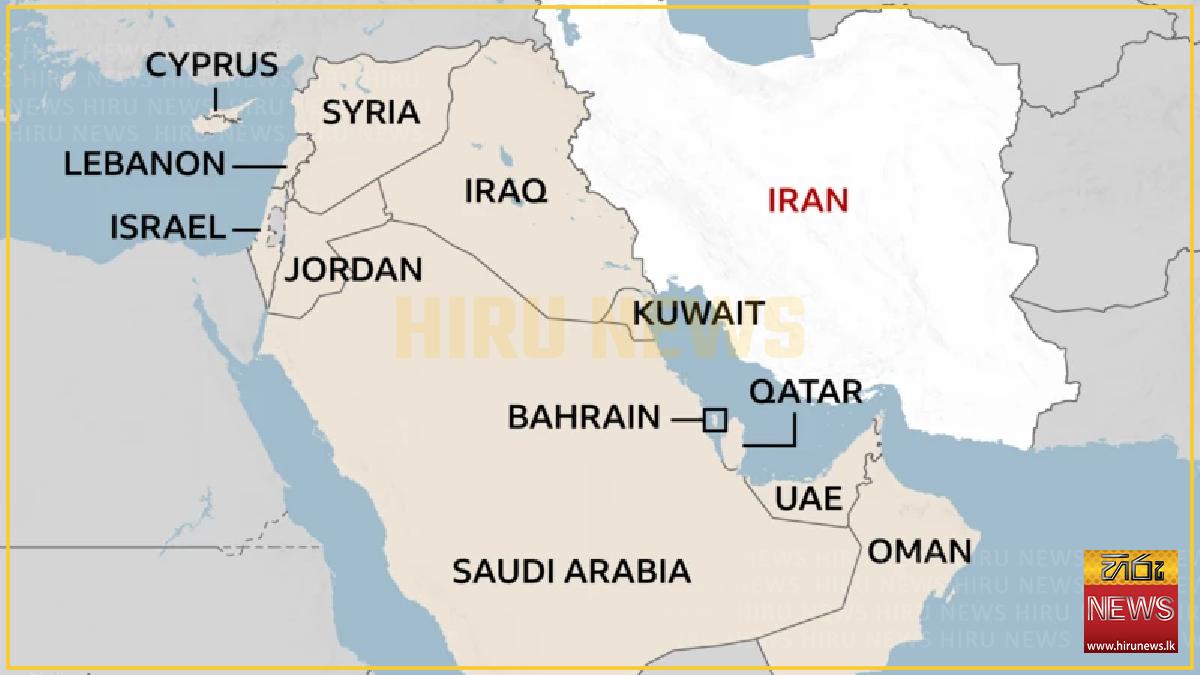
Western mainstream coverage notes spikes in oil prices as traders react to ongoing conflict and the prospect of further disruptions to shipping through the Strait of Hormuz.
Maritime-scene outlets detail continued damage to Kuwaiti port infrastructure, signaling potential ripple effects on global supply chains that rely on Gulf gateways.
Thus, extension of the deadline buys time for diplomacy but does not by itself resolve the underlying strategic contest shaping the West Asia crisis.
More on USA
President Donald Trump Sparks Millions to Join No Kings Rallies Opposing Iran War Policies
49 sources compared
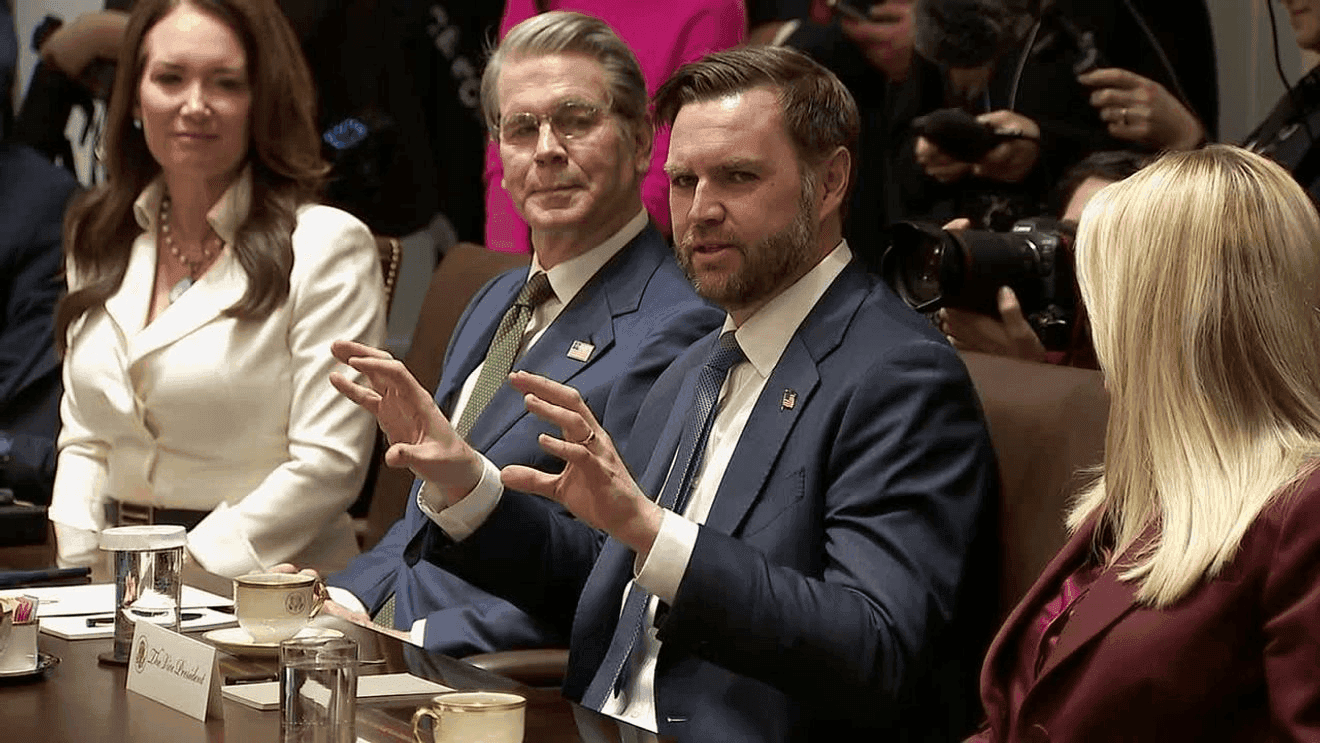
Rubio Surges to 35% Behind Vance's 53% in CPAC 2028 Straw Poll
14 sources compared
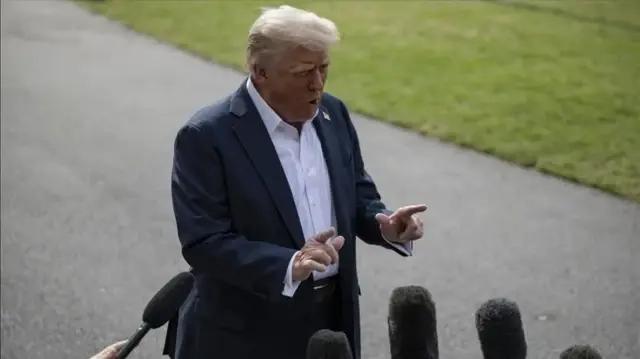
Trump Signals U.S. Could Target Cuba, Hinting at Military Action
12 sources compared
Trump Orders DHS to Immediately Use 'Reasonable Nexus' Funds to Pay TSA Agents
70 sources compared