Trump Extends Ten-Day Ultimatum Demanding Iran Reopen Strait of Hormuz for Tanker Exits
Key Takeaways
- Iran restricts access to the Strait of Hormuz, a chokepoint for global oil.
- Trump extends Iran deadline to reopen Strait of Hormuz by ten days to April 6.
- Oil prices rise to multi-year highs amid Iran-related supply fears.
Hormuz restriction and deadline
New development: Iran has restricted access to the Strait of Hormuz, heightening the West Asia energy-security crisis as Washington extends a ten-day ultimatum to reopen the chokepoint.
“Amid the US-Iran conflict, President Trump called the Strait of Hormuz the “Strait of Trump,” later claiming the remark was intentional”
The Strait of Hormuz remains a critical artery, handling roughly 20% of global oil shipments.
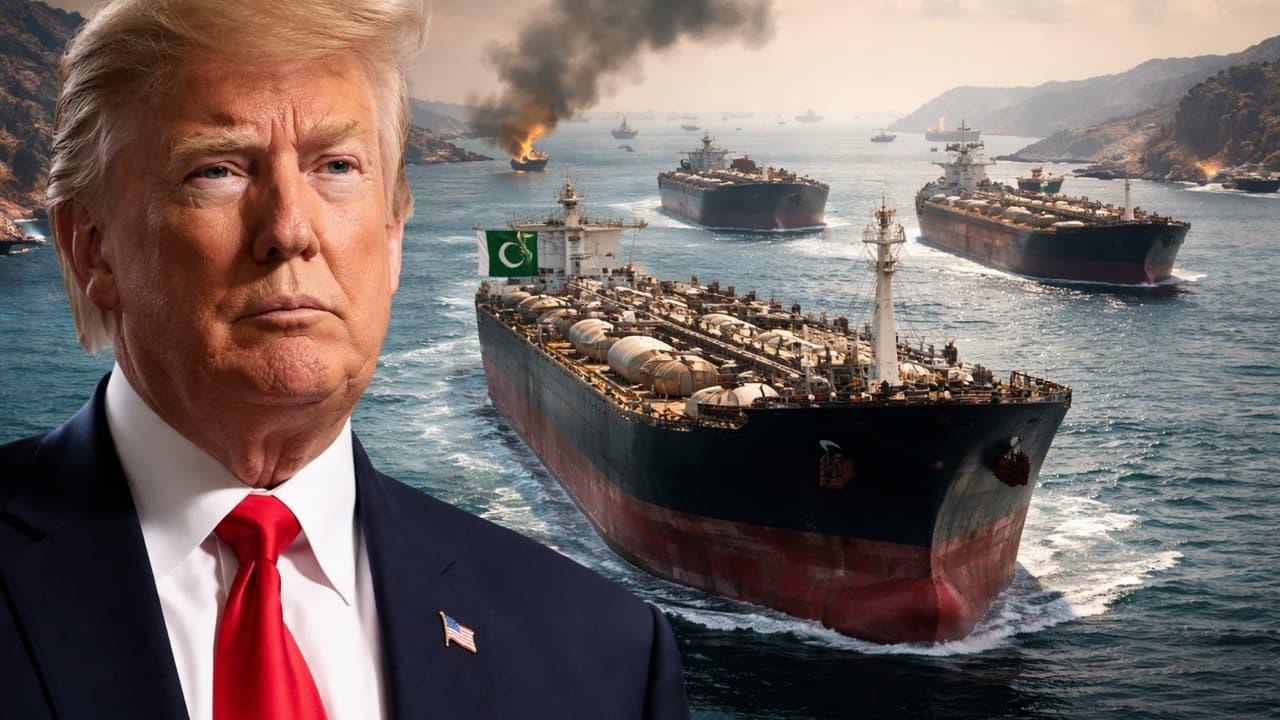
Oil markets responded with price moves that underscored ongoing fear about sustained disruption.
Trump’s extension to April 6 frames the threat as conditioned on Iran fully allowing oil tankers to exit the Persian Gulf through the Strait of Hormuz.
Iran shows no signs of backing down, while Israel threatens to escalate.
Specific demands and conditions
Washington explicitly demands Iran reopen the Strait so oil tankers can exit from the Persian Gulf to the open ocean.
The ten-day extension is framed as a pause on attacks on Iran’s energy infrastructure through to April 6 if Iran fully enables these exits.

The core condition is the restoration of unobstructed tanker traffic through Hormuz, not vague diplomacy alone.
Some tankers passed through recently as part of a goodwill gesture, signaling tentative movement but not a durable fix.
Context and regional actors
Context and regional actors: The move unfolds within a broader West Asian crisis where US and Israeli actions have targeted Iranian assets, and Iran has signaled it will not back down.
“Will President Trump's ten-day extension give Iran enough time to reopen the Strait of Hormuz”
Reports describe ongoing fighting and warnings from Tehran and its allies, while Israel has threatened to escalate attacks.
Observers emphasize the region's historical leverage—Hormuz as a strategic chokepoint—and how Western coverage often omits the structural drivers of the conflict.
Non-Western sources highlight the dynamic of US pressure, Iranian resistance, and regional responses as the frame for interpreting any meaningful negotiation or escalation.
Market, policy implications
Implications: The Hormuz disruption and the ten-day deadline extension amplify market volatility and energy-security risk across West Asia and beyond.
Analysts describe oil flows through Hormuz as fragile and exposed to political shocks, with nearly 18 million barrels per day of oil and fuel flows affected by the dispute.

Economies and consumers could see higher energy costs, while policymakers weigh how to counter a potential long-term squeeze on supply.
The convergence of Western brinkmanship, Iranian resistance, and regional tensions raises the prospect of a drawn-out standoff with spillover into NATO dialogues, non-Western alliances, and global energy markets.
More on USA
President Donald Trump Sparks Millions to Join No Kings Rallies Opposing Iran War Policies
49 sources compared
Rubio Surges to 35% Behind Vance's 53% in CPAC 2028 Straw Poll
14 sources compared
Trump Signals U.S. Could Target Cuba, Hinting at Military Action
12 sources compared
Trump Orders DHS to Immediately Use 'Reasonable Nexus' Funds to Pay TSA Agents
70 sources compared