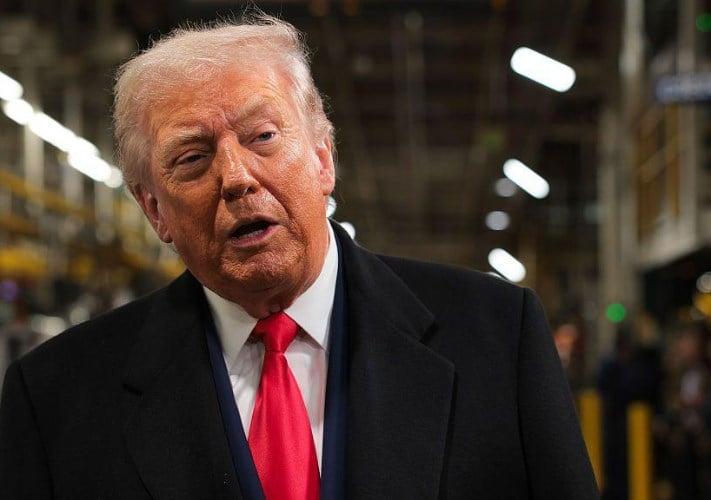
Trump Imposes 50% Tariffs on Countries Supplying Military Weapons to Iran
Key Takeaways
- 50% tariffs on goods from any country supplying Iran with weapons, effective immediately, no exemptions.
- Trump posted the tariff plan on Truth Social, and did not specify legal authority.
- Announcement came shortly after a two-week ceasefire with Iran.
Trump's 50% Tariff Threat
President Trump announced a sweeping 50 percent tariff on all goods imported from any country supplying military weapons to Iran.
“United States President Donald Trump has said imports from countries supplying Iran with military weapons will face immediate 50 percent tariffs with no exemptions, announcing the threatened duty in a social media post just hours after agreeing to a two-week ceasefire with Tehran”
The announcement came just hours after the U.S. and Iran agreed to a two-week ceasefire.

Trump did not specify which countries would be targeted, but the move was widely interpreted as aimed primarily at China and Russia.
The legal basis for the tariffs was unclear, as the Supreme Court had struck down Trump's use of IEEPA.
Alternative mechanisms such as Section 301 or Section 232 might be employed, but these require slower processes.
The announcement triggered immediate market and diplomatic reactions.
China and Russia in the Crosshairs
China was the primary focus of the warning.
Beijing denied all such allegations, maintaining that it supports diplomacy and stability.

Russia remains another potential target, though its economic exposure is limited.
US imports from Russia rose 26.1 percent to $3.8 billion in 2025.
The Commerce Department is said to have proposed punitive tariffs on Russia.
The tariff threat could roil plans for a Trump-Xi summit.
Legal and Strategic Challenges
Trump's tariff threat faces significant domestic legal hurdles.
“Published:April 08, 2026 at 12:30PM EDT The Shopping Trends team is independent of the journalists at CTV News”
The Supreme Court struck down his ability to impose broad tariffs under emergency powers.
Any new tariffs would likely need to rely on slower, more targeted mechanisms.
The move highlighted a core contradiction in US policy.
The integration of trade, security, and diplomacy raises the risk of wider systemic instability.
Global Trade and Geopolitics
The tariffs could have far reaching consequences for global trade.
They could escalate trade tensions and disrupt supply chains.

The move would blur the line between economic policy and national security.
Analysts noted the risk of wider systemic instability.
More on USA
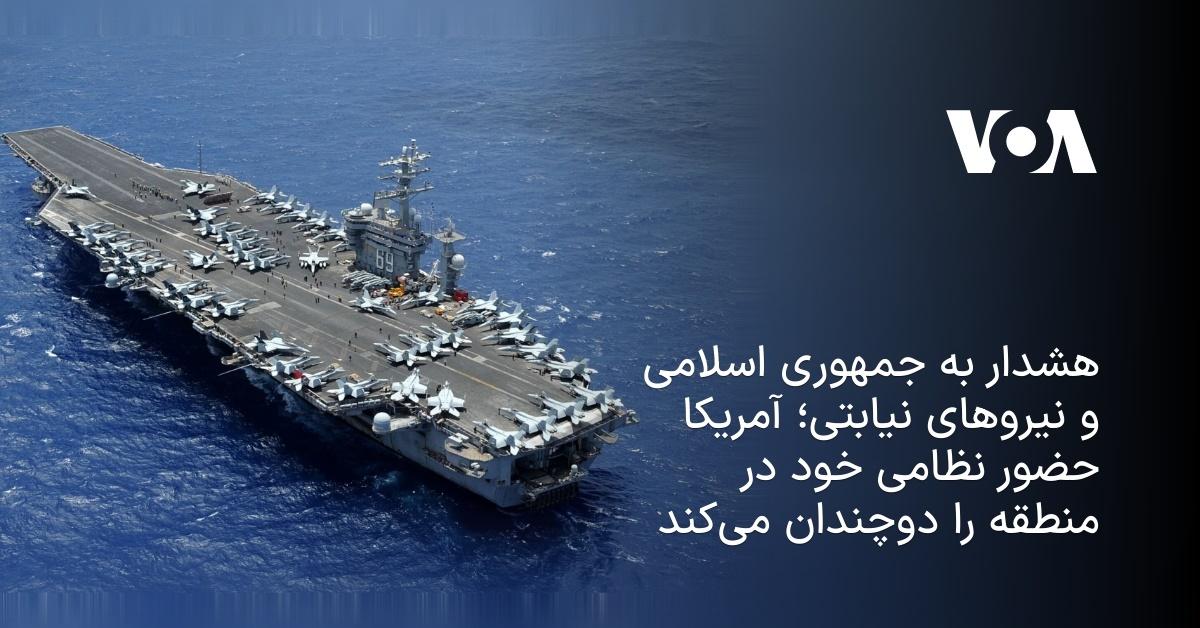
Iran And U.S. Agree To Two-Week Ceasefire After 39 Days Of Conflict
19 sources compared

Melania Trump Denies Any Relationship With Jeffrey Epstein In Rare White House Statement
17 sources compared

Melania Trump Denies Relationship With Jeffrey Epstein, Calls For Congressional Hearings
10 sources compared

Over 70 Democrats Demand Trump’s Removal Over Threats to Iran
11 sources compared