USA15 April, 20262 min read
Trump Imposes Naval Blockade on Iranian Ports in Strait of Hormuz
The United States began a naval blockade of Iranian ports in the Strait of Hormuz. On day one, several ships turned back or were deterred by the blockade.
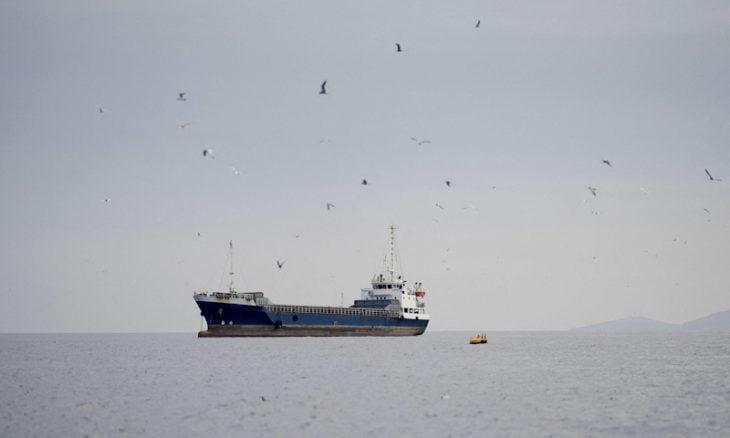
Hormuz Blockade
President Donald Trump escalated the conflict with Iran by imposing a U.S. naval blockade of Iranian ports and coastal areas in the Strait of Hormuz. The Pentagon said no ships made it past the blockade in its first 24 hours, and six merchant vessels followed orders to turn around. Shipping data showed at least three Iran-linked ships crossed the strait after the blockade began.
The blockade is intended to prevent Iran from profiting from oil exports and to put pressure on its leaders to accept American conditions for ending the war. Trump directed the Navy to seek and interdict every vessel in International Waters that has paid a toll to Iran. China called the blockade dangerous and irresponsible, and Iran warned no Gulf ports would be safe if traffic to and from its own was impeded.

Diplomatic Talks
Trump signaled that talks with Iran could resume over the next two days. Vice President JD Vance was expected to lead a potential second round of negotiations. The U.S. and Iran remained far apart on key issues, including the length of any nuclear suspension.
Iran offered to suspend uranium enrichment for up to five years, while the U.S. insisted on 20 years. The blockade came after 21 hours of negotiations, the highest-level face-to-face contact since 1979. Israel and Lebanon held their first direct talks in decades, agreeing to continue discussions.
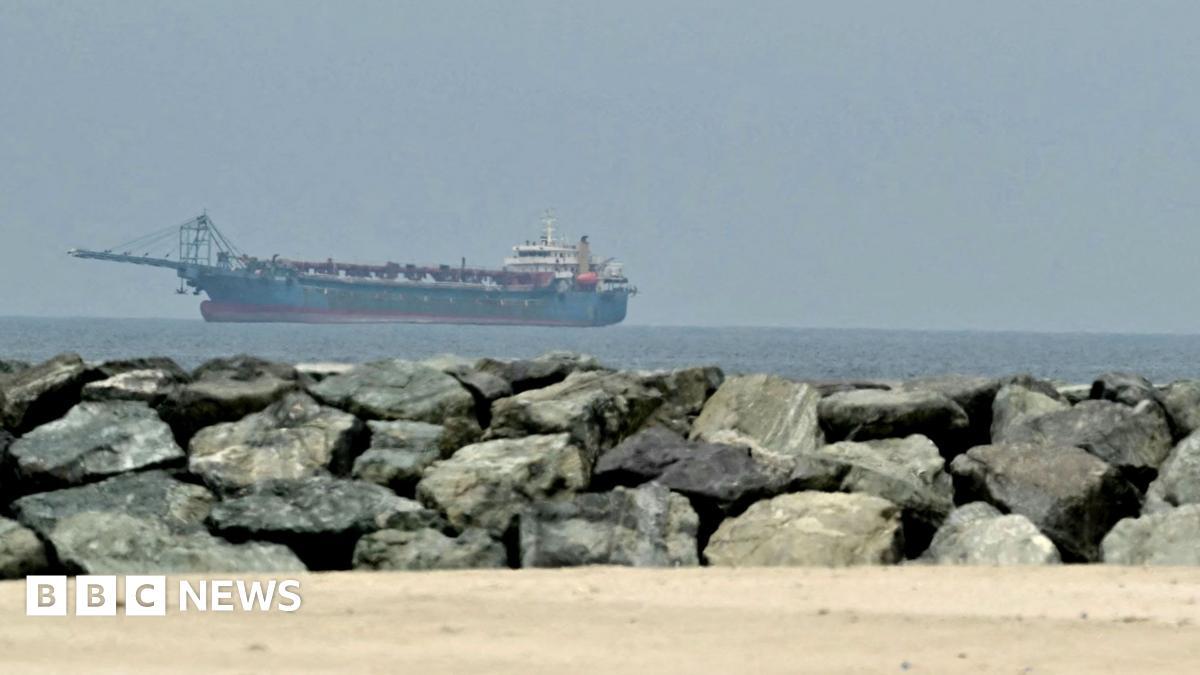
Economic Impact
The blockade sent crude oil prices surging past $100 a barrel. Iran's energy exports were expected to fall to virtually zero. The International Monetary Fund warned the global economy faced a major test.
China's exposure to the energy shock remained manageable due to massive oil stockpiles. India faced a far harder landing with oil supplies covering less than 60 days. The blockade risked destabilizing the fragile detente between the U.S. and China.
Legal and Allied Challenges
The blockade raised complex questions about international law and alliance cohesion. The UK refused to lend support, and Spain's defense minister said the blockade makes no sense. Jennifer Kavanagh told The Atlantic that if the war is not legal, then the blockade also isn't legal.
The precise scope of the blockade was somewhat unclear. The blockade would likely be tested in the coming days. Intercepting vessels from strategic foes like China could create new escalations.
