
Trump Launches Peace Council, Invites 60 Leaders To Define Gaza’s Future
Key Takeaways
- Trump invites 60 world leaders to join the Peace Council.
- Invitees include EU member states, Egypt, Turkey, and Jordan.
- Israel expresses displeasure at the presence of hostile countries.
New Peace Council launch
Trump’s formal launch of a so‑called Peace Council by sending invitation letters to 60 world leaders to define Gaza’s future marks the single most important new development in the Gaza war diplomacy to date.
The plan’s architecture, described as a three‑pillar framework – the Peace Council itself, an advisory executive committee, and a group of Palestinian technocrats for internal management – signals a centralized U.S. attempt to govern regional stability beyond traditional diplomacy.
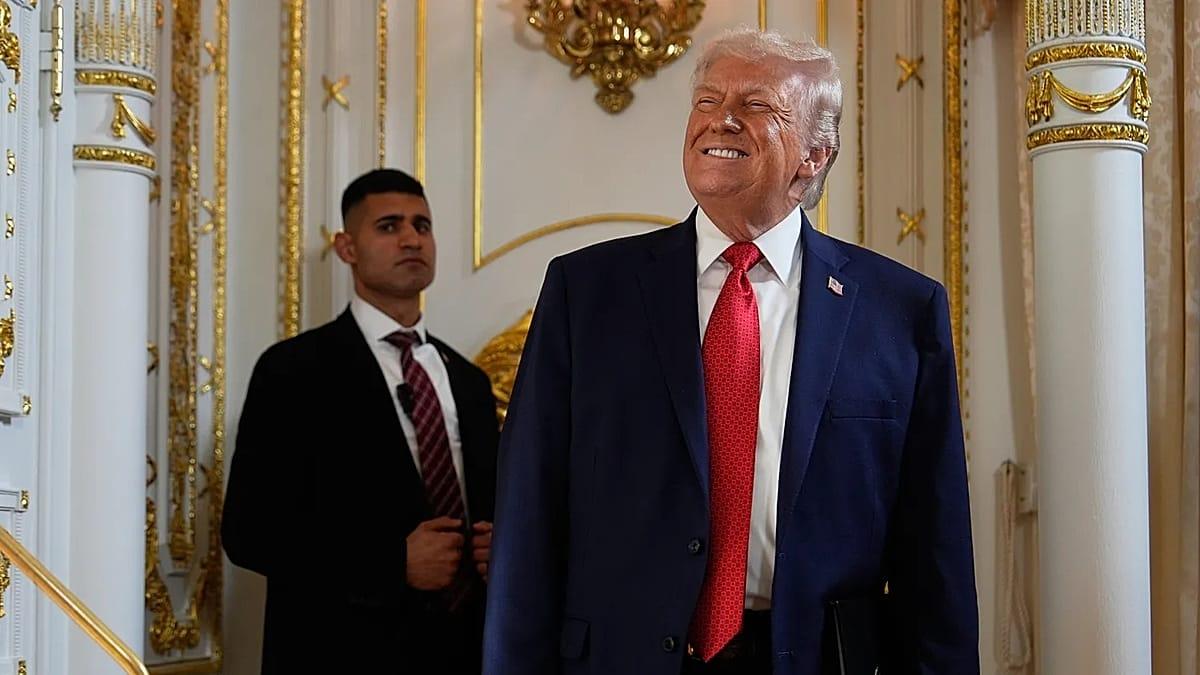
The White House frames this as an expansion of engagement not only in Gaza but also in other flashpoints such as Ukraine and Venezuela.
Israel reacted with immediate pushback, criticizing the process for lacking prior consultation on the committees’ makeup.
Plan specifics and scope
The three fundamental pillars are reiterated: the Peace Council itself, an advisory executive committee, and a group of Palestinian technocrats for internal management.
The framework is expressly designed to define Gaza’s future through this mechanism, while the U.S. signals a willingness to intervene in other crises, not only in West Asia but also in Ukraine and Venezuela.
The White House has signaled it will push ahead with the project, claiming full autonomy in managing the Gaza dossier.
Some narratives even position the plan as a potential replacement for the United Nations as a coordinating multilateral framework.
Reactions and regional pushback
Israel’s government publicly opposes the plan and, amid tensions, Netanyahu summoned coalition partners to assess the situation and to contest the nominations Washington has advanced.
“by Douglas MacKinnon, opinion contributor03/28/26 12:00 PM ET US President Donald Trump speaks during a cabinet meeting in the Cabinet Room of the White House on March 26, 2026 in Washington, DC”
The friction is underscored by the broader context of international diplomacy around the Davos discussions, where Canada’s Mark Carney has become a flashpoint for U.S.–Canadian tensions as Washington seeks to reconfigure international advisory structures.
Beijing and other partners have pushed back implicitly by underscoring UN remains central, complicating reception of a U.S.-led initiative that would upend existing multilateral arrangements.
Global governance implications
The Davos/Canada dynamic and the pushback from Beijing‑friendly signals show how the initiative could recalibrate power and legitimacy in West Asia and beyond if it unfolds as billed.
Xi called on Brazil to defend the UN’s central role, highlighting that major powers still view multilateral structures as a legitimacy anchor even as Washington pursues a different architecture.
The Euronews reporting emphasizes the explicit aim of transforming the body into a UN‑replacing mechanism, signaling the risk that the plan could accelerate a unilateral realignment of global governance.
Uncertainties and stakes
Given the gaps in detail and the visible opposition from pivotal actors, the Peace Council venture remains at least as much about signaling a shift in how diplomacy is conducted as it is about Gaza’s immediate future.
The combination of a three‑pillar structure, a defined set of participants, and a stated ambition to supplant established multilateral forums introduces a new kind of diplomatic leverage that could reshape alliances, if it survives international scrutiny and internal political realities.
While some Western voices frame it as pragmatic leadership, other powers insist that UN‑centered processes remain essential, leaving the ultimate outcome of this initiative highly uncertain.
More on USA
President Donald Trump Sparks Millions to Join No Kings Rallies Opposing Iran War Policies
49 sources compared
Rubio Surges to 35% Behind Vance's 53% in CPAC 2028 Straw Poll
14 sources compared
Trump Signals U.S. Could Target Cuba, Hinting at Military Action
12 sources compared
Trump Orders DHS to Immediately Use 'Reasonable Nexus' Funds to Pay TSA Agents
70 sources compared