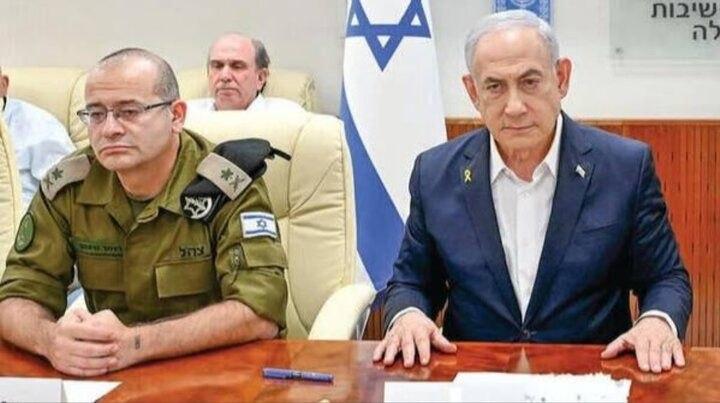
Trump Meets Benjamin Netanyahu, Emphasizes Continued Negotiations With Iran After Midnight Hammer
Key Takeaways
- Trump and Netanyahu held their seventh meeting in 13 months.
- No definitive result; emphasis on continuing negotiations with Tehran following the Midnight Hammer.
- Israeli opposition leaders criticised the US-Iran framework, with calls for Netanyahu's ouster.
Trump, Netanyahu, Tehran talks
Donald Trump, after meeting with Benjamin Netanyahu, said that no definitive result was reached except an emphasis on continuing negotiations with the Islamic Republic, and he added that if no agreement is reached, "we'll see what happens."
“A mood of shock and overwhelming anger has enveloped the political and media circles in Israel since the early hours of the morning, following the announcement of the details of the agreement reached between the United States and Iran”
In the same context, Trump expressed optimism that Iran will act more reasonably this time, referencing the Midnight Hammer operation, while Senator Kennedy said one cannot simply go to war with the Islamic Republic and start bombing or draw thousands of American forces into a war that could make things worse.

The Tabnak account, citing the daily Ettelaat, says the seventh meeting between Trump and Netanyahu in the last 13 months took place last week with little press coverage, and it links the push toward a deal to the U.S. strengthening its military presence in the region.
Tabnak also says negotiations with Iran over its nuclear program began last week and that Trump gave Iran a month to reach an agreement, adding that he hoped the agreement might be reached within the coming month.
In Tabnak’s framing of Netanyahu’s trip, it says Netanyahu sought to persuade Trump to take a harder line in negotiations with Iran and insisted that, apart from the nuclear issue, any agreement must include limits on the missile program and a halt to Iran’s support for its regional allies and proxies.
Israeli opposition rejects deal
Yair Golan, head of the opposition Democratic Party of the Zionist regime, reacted to the Iran–U.S. framework agreement by saying, "With one signature, the great military achievements that were obtained through the courage of our pilots and the blood of our soldiers were destroyed!"
Khabaronline reports that Golan urged Netanyahu’s immediate removal, writing that the agreement was "signed over Israel" and calling replacing him an "urgent security necessity."

Al-Jazeera Net describes a wave of sharp criticism in Israel after the announcement of the details of the agreement reached between the United States and Iran, with opposition leaders and journalistic elites calling it a dangerous strategic setback.
In that same Al-Jazeera Net account, National Security Minister Itamar Ben-Gvir said the Trump agreement binds Israel in no way, stressing that Israel is an independent state and not a banana republic.
Al-Jazeera Net also reports that Finance Minister Yisrael Smotrich called the agreement a bad development for Israel and the free world, and it says he called for continuing to work toward toppling the Iranian regime by creative means to ensure Tehran does not possess any nuclear weapons.
Mossad shake-up and fallout
خبرگزاری صدای افغان(آوا) (Ava) says Netanyahu dismissed Mossad chief David Barnea and appointed 'Romen Gafen' as his replacement after Mossad's failures against Iran, including a plan designed in cooperation with the United States to overthrow the regime in the early days of the war.
“Donald Trump, after meeting with Benjamin Netanyahu, said that no definitive result was achieved except an emphasis on continuing negotiations with the Islamic Republic”
The Ava account says David Barnea, before the start of the recent war, presented a plan to Netanyahu in collaboration with then-US President Donald Trump, claiming Mossad could, in the early days of the war, create turmoil and riots in the streets of Iran and force opponents to rise up.
Ava adds that the plan rested on the premise that the assassination of the Supreme Leader of the Islamic Republic on the first day of the war, along with subsequent intelligence operations, could lead to a broad popular uprising, but it says this forecast did not materialize.
In the same Ava framing, it says ordinary Iranians in various parts of the country expressed firm support for the Islamic system each night with broad presence in squares and streets.
Finally, Ava concludes that the appointment of Romen Gafen indicates Israel's regime's effort to rethink its approaches and strategies toward Iran.
More on Other
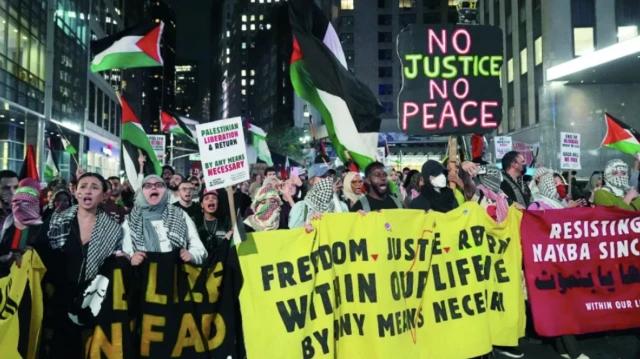
Israel Faces Unprecedented Isolation as Boycotts Widen and Sanctions Expand Across Europe
10 sources compared

Ukrainian Marine Drone Explodes Near Constanta Oil Terminal, Romania Reports No Casualties
21 sources compared

Mahmoud Abbas Issues Decree-Law Amending Palestinian Elections Law, Raising Seats to 200
17 sources compared

Bangladesh Foreign Minister Khalilur Rahman Defeats Cyprus’ Andreas Kakouris for UN General Assembly Presidency
12 sources compared