
Trump Moves To Direct Mullin To Immediately Pay TSA Agents Using Emergency Powers
Key Takeaways
- Trump to sign emergency order instructing DHS Secretary Mullin to pay TSA agents immediately.
- The move targets TSA workers unpaid due to the partial government shutdown.
- Multiple outlets covered Trump framing it as emergency powers amid congressional stalemate.
New emergency-pay plan and scope
Trump’s emergency-order gambit to pay TSA officers marks a decisive, new development in the DHS funding saga: the administration appears to be moving from urging Congress to act toward unilateral executive action designed to avert airport disruption.
“HOUSTON, Texas (KTRK) -- Houston's two major airports are once again reporting some of the highest TSA callout rates in the nation, as the ongoing federal government shutdown continues to impact travel”
Multiple outlets report the plan would direct Homeland Security Secretary Markwayne Mullin to immediately disburse pay to TSA agents who have continued to work without pay during the impasse.
Some reports describe this as an emergency-powers maneuver that could involve reallocating funds or even declaring a national emergency, though the exact mechanism remains contested.
The timing underscores the urgency, as the shutdown has stretched deep into weeks and airports like Houston have faced some of the longest lines and highest callout rates.
Plan specifics and authority
The analysis of what the order actually would entail centers on three specifics: the mechanism to fund TSA pay in a funded-but-stalled DHS budget, the legal authority invoked, and the political ramification of bypassing congressional appropriations.
The Washington Post frames the move as Trump claiming emergency powers to act amid the stalemate, a description that echoes other outlets noting the executive-branch workaround.

Primera Hora adds that the White House had even contemplated a national-emergency declaration to cover TSA wages while lawmakers debated a last-ditch offer.
Meanwhile, ABC13 notes the memo-like phrasing of the order as it would direct Mullin to pay TSA agents immediately, even as ICE and other agencies remain funded through existing authorities.
The Associated Press highlights that congressional negotiations were still underway, with lawmakers weighing DHS funding packages that would not fully resolve immigration-enforcement provisions.
Airport impact and lines
Operational impact and urgency are reinforced by the immediate airport consequences described across sources: TSA callout rates have risen, and lines have stretched to hours in several hubs, with Houston illustrating the severity.
“HOUSTON – President Donald Trump said he will sign an emergency order to pay TSA workers on Thursday”
NBC News notes that callout rates have exceeded 11% nationwide, with some airports seeing rounds of 40% or more.
ABC13 Houston provides local context, reporting national callout around 11% but Houston-area rates of roughly 32% at Hobby and nearly 40% at Bush, contributing to multi-hour waits.
Click2Houston emphasizes the urgency of the crunch, highlighting 4+ hour lines in Houston and the broader impact of a TSA personnel shortage on security throughput.
The Associated Press adds the human toll to the operational picture, noting almost 500 TSA officers have quit altogether, underscoring why a pay remedy is salient to airport operations.
Framing and partisan reactions
The political dynamics surrounding the emergency-pay move reveal a sharp split: Republicans have framed the action as leadership under pressure to resolve a national disruption, while Democrats and many observers emphasize that funding and immigration enforcement reforms should be settled through Congress, not executive fiat.
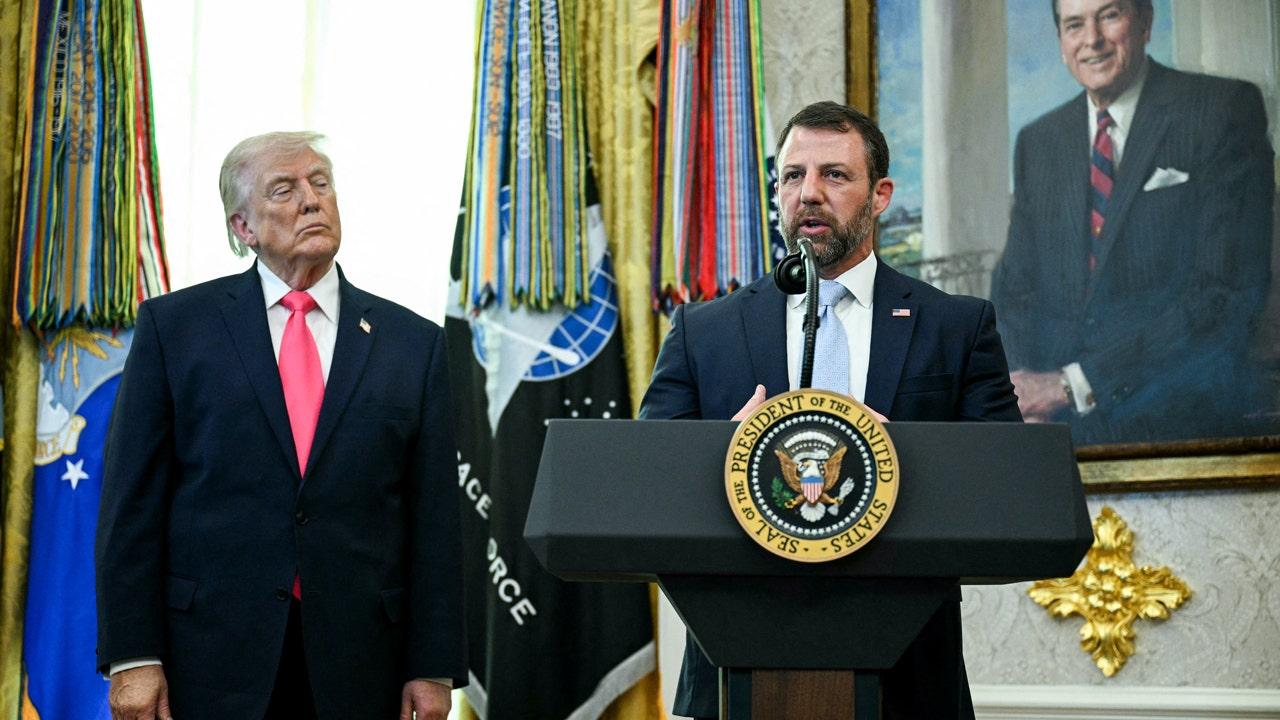
Newsday quotes Senator John Barrasso calling Trump’s move “doing absolutely the right thing” as negotiations stall.
NBC News summarizes Democrats’ stance as opposing DHS funding without changes to Immigration and Customs Enforcement.
The Associated Press notes the Senate’s repeated failure to advance a House-passed DHS funding bill and Democrats’ demands for immigration-enforcement concessions.
Primera Hora adds that Democrats had refused to fund DHS while insisting on changes to ICE operations, reinforcing the political fault line surrounding any executive workaround.
Legal and long-term implications
Looking ahead, several outlets flag the potential legal and constitutional risks of an emergency-pay gambit, cautioning that invoking emergency powers or reallocating funds could invite challenges and political backlash.
The Washington Post frames the move as Trump invoking emergency powers amid congressional stalemate.

Primera Hora likewise notes the political delicacy and potential legal challenges of declaring a national emergency to pay TSA workers.
The Associated Press and NBC coverage highlight that even as a stopgap, the plan would reshape the legitimacy and durability of executive actions in budget crises.
Taken together, the reporting suggests that while the move could yield short-term operational relief, it risks a prolonged legal settlement and set‑piece battles over presidential authority.
More on USA
President Donald Trump Sparks Millions to Join No Kings Rallies Opposing Iran War Policies
49 sources compared
Rubio Surges to 35% Behind Vance's 53% in CPAC 2028 Straw Poll
14 sources compared
Trump Signals U.S. Could Target Cuba, Hinting at Military Action
12 sources compared
Trump Orders DHS to Immediately Use 'Reasonable Nexus' Funds to Pay TSA Agents
70 sources compared