
Trump Orders Federal Voter List, USPS Mail Ballot Controls
Key Takeaways
- Executive order creates a nationwide list of eligible voters by cross-checking with federal data.
- Postal Service will send ballots only to voters on the verified federal list.
- Officials warn the move will prompt lawsuits and questions about authority.
Executive Order Challenge
Trump signed an order directing DHS and SSA to compile federal voter lists of verified eligible voters.
“WASHINGTON -- President Donald Trump on Tuesday signed an executive order creating a nationwide list of verified eligible voters, a move that is sure to draw legal challenges as the president continues to demand further restrictions on voting ahead of this year's midterm elections”
The order instructs USPS to send ballots only to those on approved state lists, with secure envelopes and barcodes.

Colorado leaders called it undemocratic and unconstitutional.
Experts and officials predicted immediate legal challenges.
USPS Secures Ballots
The order directs USPS to create unique ballot envelope identifiers.
This represents a sharp departure from USPS's traditional role.
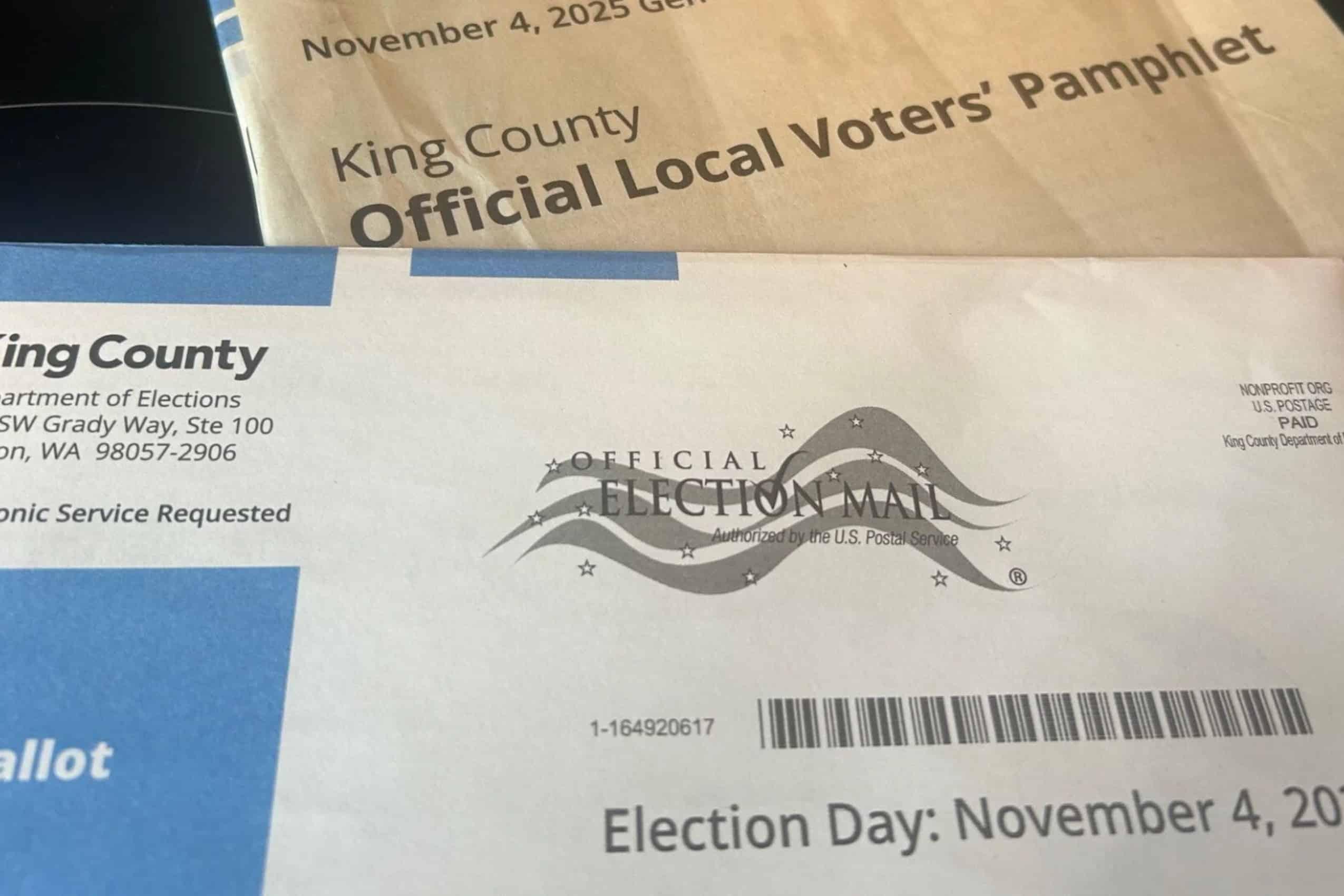
Votebeat highlighted voters would still register according to state law.
Federal-State Election Tension
The order claims the attorney general can withhold funds from non-compliant states.
This escalates a five-year effort to impose federal control over elections.
Over two dozen states have resisted federal voter data demands.
Divergent Coverage
Western outlets framed the order as sure to draw legal challenges.
The Guardian emphasized the unprecedented and probably unconstitutional nature.

The difference in framing illustrates divergent coverage.
More on USA

Bryon Noem's Secret Online Fetish Life Sparks Hypocrisy Backlash
11 sources compared

Trump Signs Executive Order Creating National Voter List, Sparks Legal Firestorm
23 sources compared

Hegseth Lifts Army Suspension After Kid Rock Helicopter Flyover
14 sources compared
Trump Threatens NATO Exit Over Iran Rift; Allies Reject Strait Mission
76 sources compared