
Trump Postpones April 6 Ultimatum, Prepares Strikes On Iran’s Electrical Infrastructure
Key Takeaways
- The administration plans potential strikes on Iran and to deploy thousands of troops.
- Conflict described as ongoing multi-week crisis across Iran and the broader Middle East.
- Sources differ on whether formal war has begun, reflecting framing debate.
New escalation signals
NEW DEVELOPMENT: Washington’s Iran policy is shifting from warning to action-ready posture, with credible reports of a concrete plan to strike Iran’s electrical infrastructure and a large-scale troop build-up that could presage a ground invasion.
“War in the Middle East: Trump postpones his April 6 ultimatum ahead of possible strikes on Iran’s electrical infrastructure”
The Intercept notes the administration is 'prepares to send thousands of troops to the region for a possible ground invasion' as the war in Iran and the broader West Asia theatre enters its fourth week.
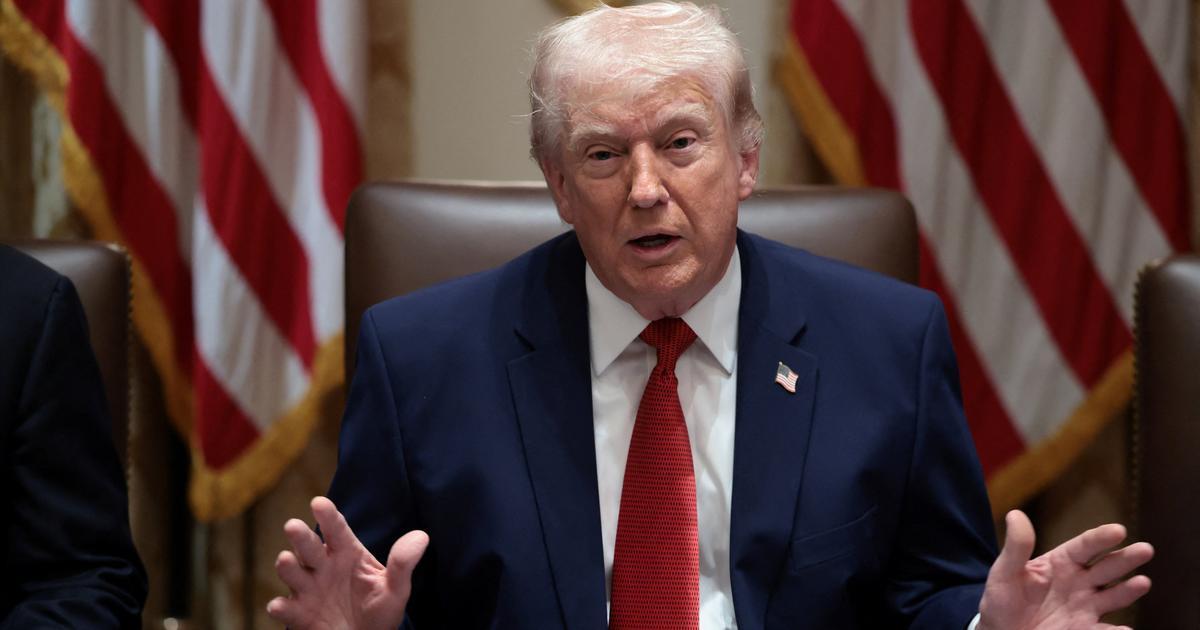
On the same track, Le Figaro frames the moment as a time-bound pressure tactic, reporting that 'War in the Middle East: Trump postpones his April 6 ultimatum ahead of possible strikes on Iran’s electrical infrastructure.'
At the same time, Le Figaro describes cross-front movements—IRGC attacks on energy targets and Israeli strikes on Tehran—illustrating a widening conflict rather than a contained escalation.
Plan specifics and timing
PLAN SPECIFICS AND DEMANDS: The reporting coalesces around a time-bound escalation toolkit—an April 6 ultimatum, the option to strike Iran’s electrical infrastructure, and a large U.S. troop deployment that could precede a ground invasion.
The Intercept states the administration is preparing to deploy thousands of troops for a possible ground invasion, signaling a transition from rhetoric to operational planning.

Le Figaro adds the calendar dimension, describing Trump’s April 6 ultimatum as a deadline that could precede strikes on Iran’s electrical infrastructure, situating the plan in a concrete timeframe.
Cross-front actions described in Le Figaro—IRGC attacks on energy targets in Israel and the Gulf, and Israeli strikes on Tehran—underline the scope of the risk and the potential for multi-front escalation.
Regional context and framing
CONTEXT, OMISSIONS, AND INTERPRETIVE FRAMEWORK: The set-up reflects a broader West Asia crisis tied to decades of occupation, regional competition, and external power dynamics rather than a simple binary war status.
“Matthew Lee, Associated PressMatthew Lee, Associated Press Leave your feedback WASHINGTON (AP) — President Donald Trump has taken the United States intowar with Irandespite decades of self-professed aversion to foreign entanglements, particularly in the Middle East, and repeated pledges to focus primarily on the Western Hemisphere with an "America first" agenda”
Le Figaro documents multi-front dynamics and regional escalation, including Houthi warnings of a military response and swift messaging around diplomacy.
Iranian and allied voices, including statements cited by Le Figaro, contribute to a narrative in which the adversary is presented as either resisting or bargaining within a high-stakes framework.
War-status ambiguity and risk
IMPLICATIONS AND RESPONSIBLE FRAMING: The divergence between an ongoing-war framing and a time-bound strike plan creates a fog of war that shapes public perception of responsibility and urgency.
If a ground invasion or major air campaign is launched, regional civilians and infrastructure will be exposed to heightened risk, and the legal/ethical framing—genocide, war crimes, proportionality—will come under scrutiny in international discourse.
The cross-front actions cited by Le Figaro—IRGC strikes, Israeli strikes on Tehran, and Houthi warnings—underscore the risk of rapid escalation beyond any single theater.
More on USA

Trump Threatens NATO Exit After Allies Refuse Iran Support
52 sources compared

Trump's Deportation Drive Expels 1.6 Million, ICE Kills American
13 sources compared

Trump Signs Executive Order To Build National Voter List, Cut Mail Ballots
10 sources compared

Supreme Court Deeply Skeptical as Trump Challenges Birthright Citizenship
32 sources compared