Trump Pauses Attacks on Iranian Power Plants for Five Days Amid Back-Channel Talks
Key Takeaways
- Trump postponed attacks on Iranian power plants citing productive conversations with Tehran.
- Oil futures trades around the pause generated about $580 million in profits, sparking insider-trading suspicions.
- Iran denied any talks with Washington despite Trump's claim of productive discussions.
Pause on strikes and diplomacy
Trump postponed planned attacks on Iranian power plants for five days, saying there had been 'productive conversations' with Tehran to end the war, a move that markets initially welcomed as a potential off-ramp.
Iranian officials publicly described the diplomacy as ongoing but cautioned that direct talks were not always taking place.

Western outlets highlighted a broad web of mediators, including Pakistan, Turkey, Egypt and Qatar, relaying messages between Washington and Tehran to de-escalate tensions around critical energy infrastructure.
Analysts noted that the pause did not end the conflict, but created a potential opening for diplomacy while uncertainty persisted in West Asia.
Oil-trade surge and suspicions
Market-watchers focus on a burst of oil-futures trading tied to the pause, with reports that roughly $580 million worth of Brent and WTI contracts moved in the crucial minutes before Trump spoke.
Salon notes that prediction markets and oil bets were drawing scrutiny as possible insider betting on information about U.S.–Iran talks.

Reports from Asian outlets add the same financial figure, with Firstpost stating an estimated Rs 938 crore profit in about 20 minutes, linked to those trades.
Taken together, the coverage frames the episode as a potential case study in how markets react to high-stakes diplomacy.
West Asia mediation network
CNN International reports Turkey's Foreign Minister Hakan Fidan conducting more than a dozen calls with regional and global counterparts as part of a broader push to de-escalate tensions around energy infrastructure.
“Turkey is stepping up diplomatic efforts to end the war in Iran, with Foreign Minister Hakan Fidan conducting more than a dozen calls with regional and global counterparts over the past 48 hours, according to readouts of the foreign ministry’s phone traffic”
The Week notes a network of mediators—Pakistan, Oman, Turkey, Egypt and Qatar—carrying messages between Washington and Tehran.
NBC News reports Pakistan’s mediation role between the U.S. and Iran, while Al Jazeera cites Egypt’s readiness to host de-escalation talks.
Iran International analyzes how the power-structure inside Iran shapes what the United States can realistically seek in talks with figures such as parliament speaker Mohammad Bagher Ghalibaf.
Oil markets and energy risks
NBC News notes that markets surged and oil prices fell on the news of the pause.
TIME emphasizes how global oil prices retraced after surging during the crisis.

The Week adds that energy prices have surged sharply since the conflict began, with the International Energy Agency warning of a major threat to the global economy that underscored the risk of a regional infrastructure war.
Uncertainty and ongoing diplomacy
Iranian officials publicly denied that any negotiations about terms to end the war were underway.
“Trending: West Asia war updates Strikes on Iran power plants paused Colombia military plane crash New homeland security chief IPL 2026 Dhurandhar 2 advertisement Rs 938 crore in 20 minutes”
Trump indicated that the pause was 'subject to the success of ongoing meetings and discussions,' but TIME notes the talks were still at an early, non-substantive stage.

U.S. and Iranian officials alike cautioned that the crisis could persist, a view echoed by Iran International’s analysis of power dynamics within Iran and by CBS News reporting on the evolving diplomacy.
More on USA

U.S. Prepares to Deploy 1,000 82nd Airborne to West Asia to Seize Airfields
17 sources compared

Democrat Emily Gregory flips Trump-carried Palm Beach House seat, defeating Trump-backed Jon Maples
12 sources compared

President Donald Trump Threatens National Guard Deployment to U.S. Airports
14 sources compared
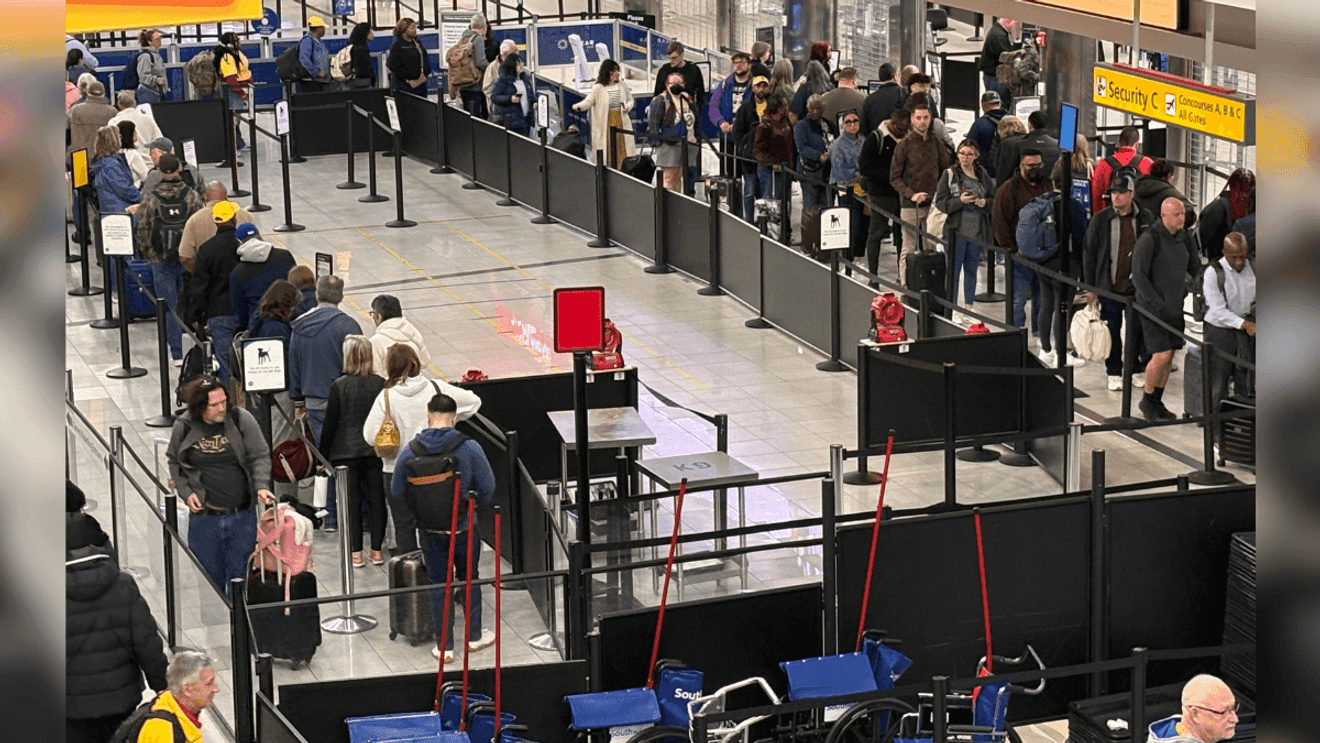
GOP excludes ICE enforcement in DHS funding plan, leaving TSA workers unpaid and airports strained
17 sources compared