USA04 May, 20266 min read
Trump Says U.S. Will Attack Drug Cartels Anywhere, Including Mexico, Venezuela, and Colombia
This article is an automated aggregation of coverage from news outlets. Our editorials offer in-depth analysis curated by the NewsCord team.
Trump vows U.S. attacks on drug cartels anywhere, including Mexico and Latin America. U.S. conducted strikes against drug-trafficking targets in Venezuela, the Caribbean, and Pacific.

Trump’s Cartel Threats
Donald Trump said the United States will attack drug cartels “anywhere,” including Mexico and other countries in the region, in an exclusive interview with The New York Post.
“Trump states that the United States will attack drug cartels in any country.”
The Excélsior report says Trump told the Post, “We’re going to hit the cartels,” and added, “We know their routes. We know everything about them. We know their homes. We know everything about them. We are going to hit the cartels,” he asserted.
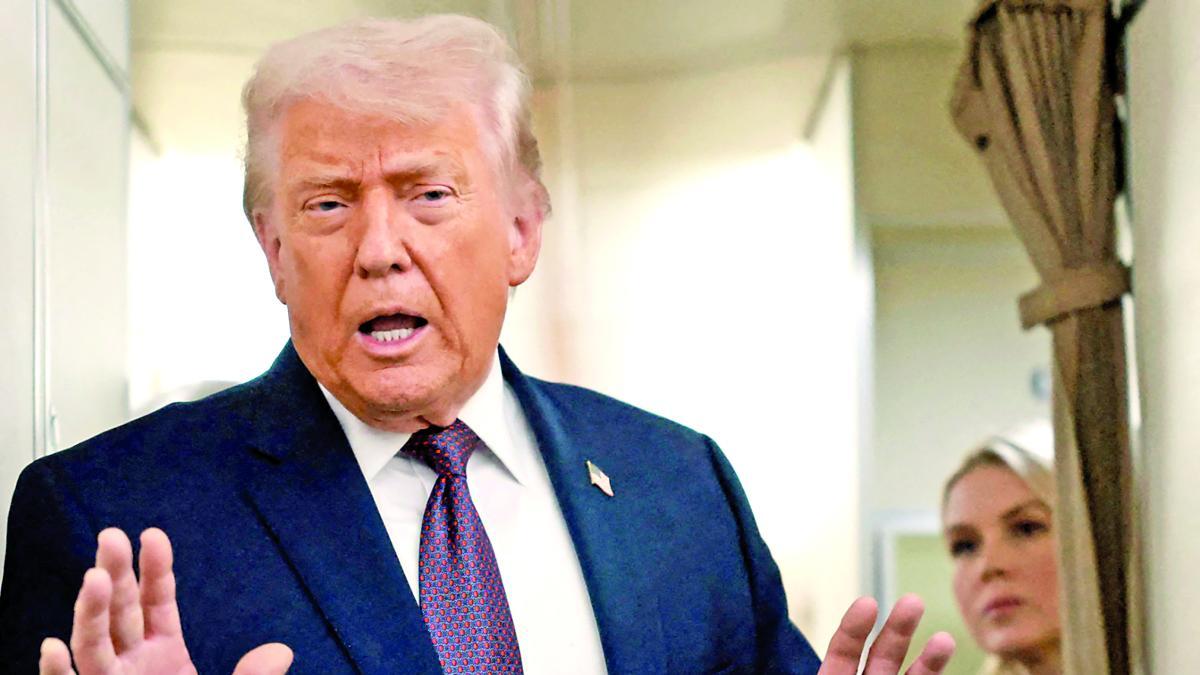
When asked about whether he would consider attacks in Mexico, Venezuela, and Colombia, the Republican president responded that “it could be anywhere.”
Excélsior also reports that Trump said that during his administration drug trafficking by sea has been reduced by 97%, and that he hopes to achieve the same success in stopping drug trafficking by land.
The same article says the Trump administration has pressured Mexico to allow the entry of U.S. forces to help curb drug trafficking, and it cites President Claudia Sheinbaum saying Trump “on several occasions has insisted that the United States military be allowed to enter Mexico.”
Sheinbaum is quoted as responding, “We have said not very firmly, first because we defend our sovereignty, and second because it is not necessary.”
Pentagon’s Unilateral Strategy
Excélsior reports that the Pentagon’s new National Security Strategy 2026 says it will unilaterally combat narcoterrorism in the hemisphere where governments fail to do so on their own.
The article says the 24-page strategy document describes Canada and Mexico as playing “important roles in hemispheric defense,” with the Department of War and other U.S. agencies to prevent illegal foreigners and narcoterrorists from reaching the borders of the United States.

It quotes the strategy: “Border security is national security. Therefore, the Department of War will prioritize efforts to seal our borders, repel invasions and deport illegal foreigners in coordination with the Department of Homeland Security (DHS).”
The same Excélsior text says the strategy warns that for neighboring countries and the rest of the hemisphere, the United States will act on its own if governments fail to combat narcoterrorism.
It adds a second quoted passage: “at the same time we maintain our ability to take decisive measures unilaterally. If our partners cannot or will not do their part, then we will be prepared to act decisively on our own,” he warns.
The strategy is also described as recognizing as areas of U.S. national security the Gulf of Mexico, the Panama Canal, and Greenland.
Secrecy Over the Venezuela Video
A controversy over a U.S. strike off Venezuela centers on a U.S. video sequence that the Pentagon has kept secret, according to Slate.fr.
The report says “More than three months after the U.S. military deployment off the Venezuelan coast,” the human toll is heavy, with “at least 95 people have died following the 25 strikes carried out at sea.”
Slate.fr describes that the Pentagon circulated footage of attacks claiming to target vessels involved in drug trafficking, but that “one particular sequence is causing controversy today.”
It says the sequence would show “a double strike in which two individuals who survived a first bombing appear,” and that they would then be targeted by a second missile “in accordance with an instruction attributed to U.S. Defense Secretary Pete Hegseth to 'kill them all.'”
Slate.fr adds that the footage is “now archived in secrecy,” and that on Tuesday, December 16, even as the White House released three new videos, Pete Hegseth announced that the sequence in question would never be made public.
The report quotes Hegseth: “We will not release to the general public a top-secret, complete, and unedited video of this event,” and it says he cited the ministry’s policy.
Congress, War Powers, and Dispute
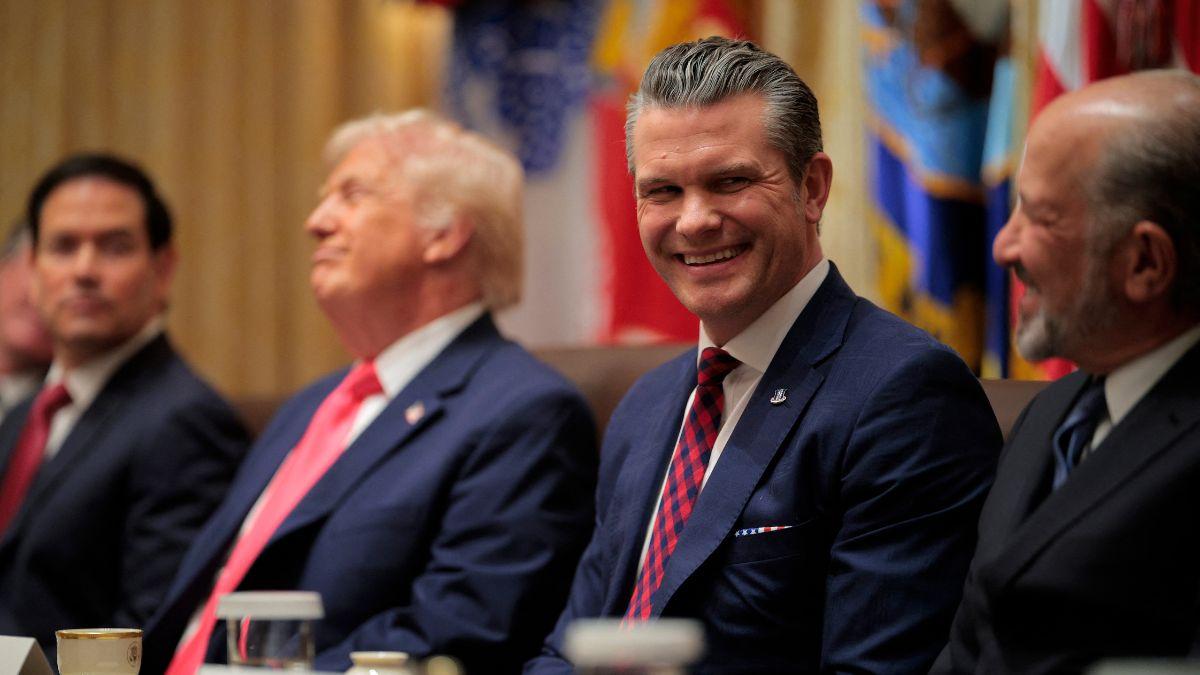
The Independent en Español reports that Defense Secretary Pete Hegseth confirmed the Pentagon will not publish the unedited video of the Caribbean attack, even as members of the House and Senate Armed Services Committees review the material. The outlet says Hegseth justified the stance to reporters after a closed-door meeting with senators, stating, “of course, they would not release a top-secret, complete, and unedited video to the general public.” It adds that the controversy involves national security officials defending the escalation and deadly attacks in international waters near Venezuela, while lawmakers press questions about the campaign’s strategic aims.
The Independent en Español says Rubio told reporters the campaign is “a war on drugs focused on dismantling the infrastructure of these terrorist organizations operating in our hemisphere, undermining American security, killing Americans, and poisoning Americans.” It also reports that on the eve of briefings, the U.S. military said it attacked three more ships believed to be drug traffickers in the Eastern Pacific, killing eight people. The report says senators from both parties said officials left them “in the dark about Trump's objectives with respect to Venezuelan President Nicolás Maduro or the United States' forces' direct engagement with the South American nation.”
Operation Southern Spear and Death Toll
The Intercept frames the U.S. boat-strike campaign as not stopping drug flows into the United States and challenges the Pentagon’s claims about outcomes.
It says the Pentagon claims attacks on civilian boats in the Caribbean and Eastern Pacific have “severely curtailed the import of illegal drugs to the United States,” and it reports that President Donald Trump says this has saved “more than 1 million American lives.”
The Intercept quotes Sen. Jack Reed saying, “The administration has failed to explain the long-term objectives of this mission or provide any evidence of reduced drug flows into the United States,” and it adds, “I would ask for a credible answer to this most fundamental question: What is the operation actually meant to accomplish?”
The outlet says that under Operation Southern Spear, the U.S. military has conducted attacks on “54 so-called drug boats” in the Caribbean and Eastern Pacific Ocean, killing “more than 185 civilians,” since September.
It reports that the latest strike, on “April 26 in the Pacific,” killed “three people.”
The Intercept says experts in the laws of war and members of Congress from both parties say the strikes are illegal, “extrajudicial killings,” because the military is not permitted to deliberately target civilians who do not pose an imminent threat of violence.
New Strikes and Ongoing Debate
Ouest-France reports that the United States carried out a new strike in the Pacific on Friday, January 23, killing two people, and that the U.S. Coast Guard was searching for a third person who survived the strike.
It says the U.S. military stated the vessel was on routes used for drug trafficking in the eastern Pacific and that it was involved in narcotics operations, citing Southcom’s post on X.
Ouest-France also says this was the first known strike of this kind this year, and that since last September the United States has carried out about thirty strikes against vessels suspected of trafficking, killing more than 110 people in the Caribbean and the Pacific.
The report adds that the administration of U.S. President Donald Trump has never provided any evidence that the vessels targeted were actually involved in any trafficking, and it says the legality of the campaign has sparked intense debate worldwide and in American political circles.
It further reports that experts and U.N. officials have denounced extrajudicial executions.
In the same Ouest-France article, the Pentagon announced that “the senior military representatives from 34 countries will meet in mid-February to reach a common understanding of security priorities and to strengthen regional cooperation,” at a “conference of the chiefs of staff of the American continent.”