
Trump Signals US-End In Iran War Within Weeks While Leaves Strait Opening Unclear
Key Takeaways
- Trump says the U.S. could end the Iran war within two to three weeks.
- Withdrawal within weeks regardless of a final deal.
- Oil prices rise amid end-date speculation and potential U.S. withdrawal.
Trump Sets Withdrawal Timeline
Trump announced the US could end its military campaign against Iran within two to three weeks.
“Skip to main content Updated 11 hours ago - World Trump attacks allies, signals Iran war may end without opening Hormuz Barak Ravid email (opens in new window) sms (opens in new window) facebook (opens in new window) twitter (opens in new window) linkedin (opens in new window) bluesky (opens in new window) Add Axios as your preferred source to see more of our stories on Google”
He stated that Iran does not have to make a deal to end the conflict.
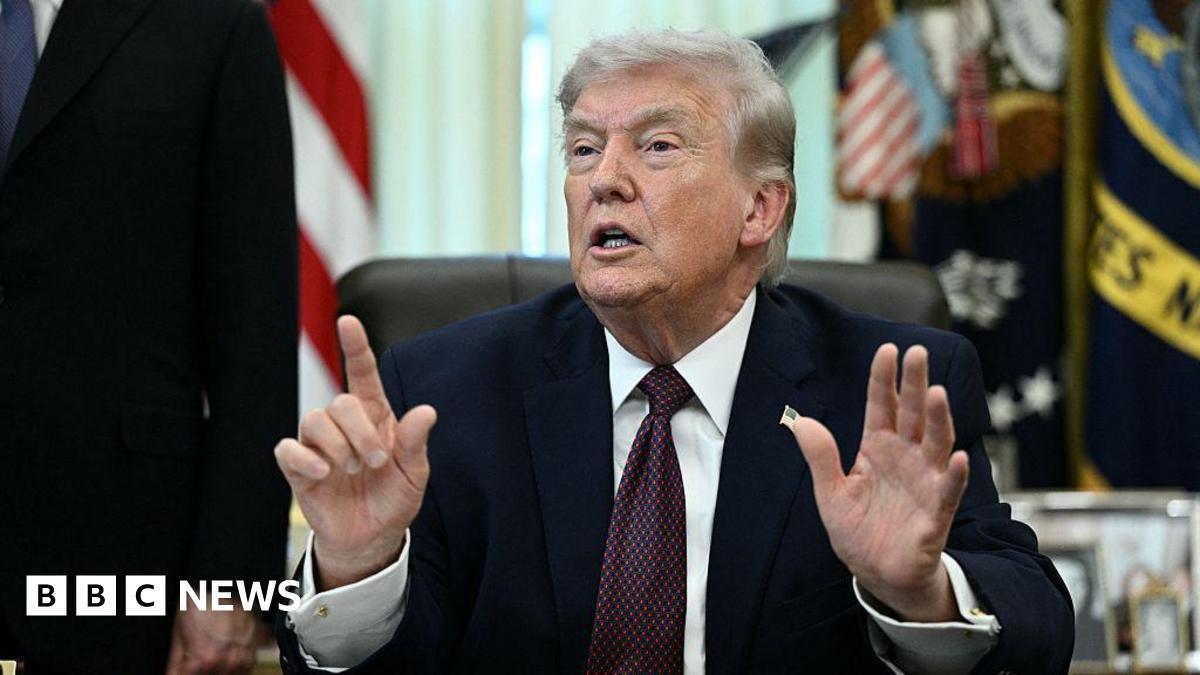
Trump said the US will not take responsibility for securing the Strait of Hormuz.
Oil Markets Respond to War End Hopes
Crude oil futures closed lower on rising hopes for an end to the war.
Restoring Gulf production will be complex and gradual.

The US has little capacity to boost jet fuel exports significantly.
Iran-Retaliation Uncertainty Persists
The US-Israeli campaign killed more than 1,340 people according to Iranian authorities.
Iran retaliated with drone and missile strikes targeting Israel and Gulf countries.
At least 13 US service members have been killed since the war began.
Analysts Warn Ending Brings Risks
Wars rarely wrap up neatly or perfectly solve problems.
Most of Iran's military capabilities have been destroyed.
The Council on Foreign Relations described the campaign as a shift to regime change.
More on Iran
Iran and US Agree on 'Guiding Principles' in Nuclear Talks; Work Continues
15 sources compared

Jordan Intercepts Four Iranian Missiles and Drones Over 24 Hours
18 sources compared
Trump Sets Two-Week Iran Exit, Warns Allies to 'Go Get Your Own Oil'
26 sources compared
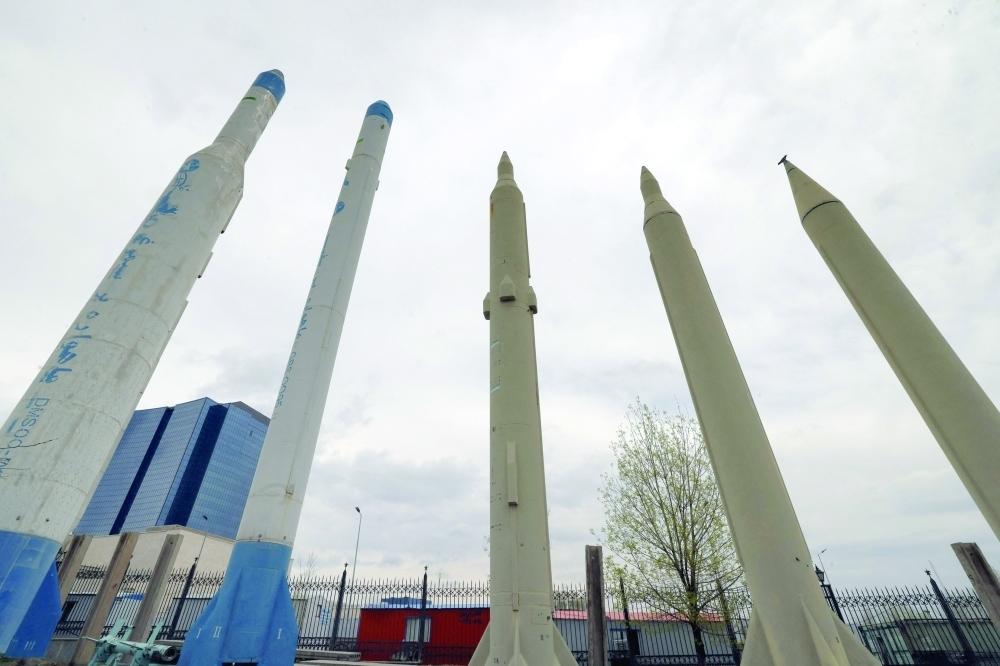
Trump Tells Allies to 'Go Get Your Own Oil' as Gas Tops $4
24 sources compared