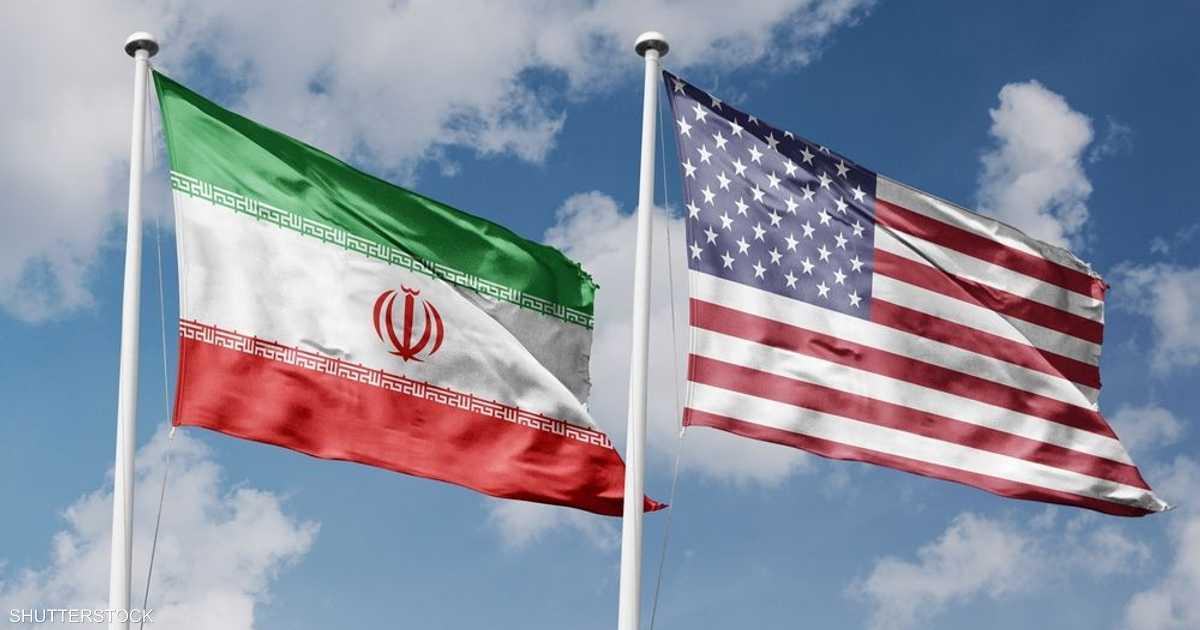
Trump Signs Iran Memorandum With Macron at Versailles, Sets 60-Day Deadline
Key Takeaways
- Trump signs interim U.S.–Iran memorandum of understanding detailing 14 provisions.
- Reopen Strait of Hormuz and ease sanctions under 14-provision framework.
- Hawks criticize the deal as insufficient.
Versailles Deal, 60 Days
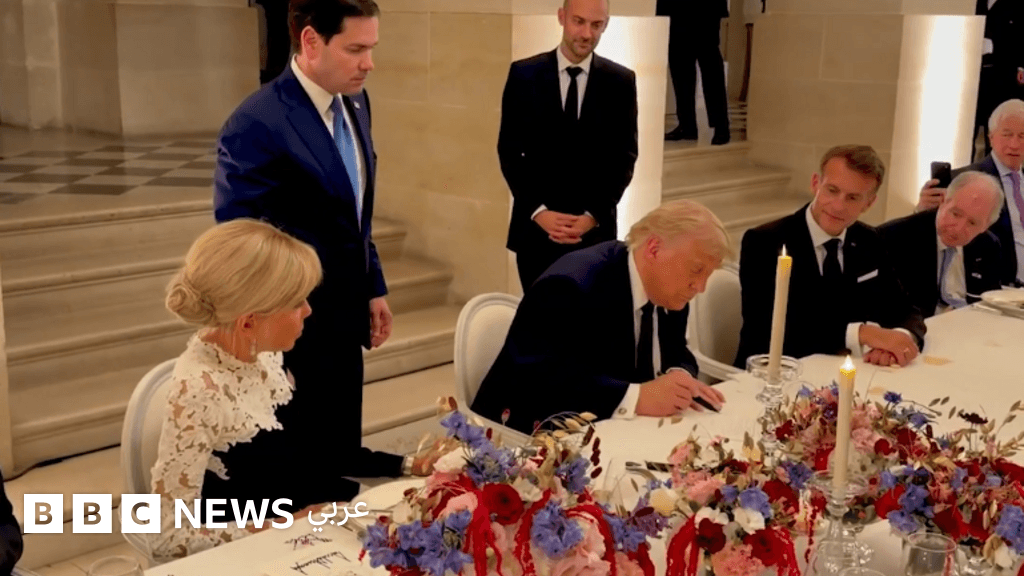
President Donald Trump signed a memorandum of understanding with Iran at the Palace of Versailles in France, with French President Emmanuel Macron standing alongside him, and set a 60-day deadline for both sides to try to turn it into a final deal.
“Washington, DC – A few months ago, it would have been unthinkable for a mainstream politician in the United States — let alone a Republican senator — to acknowledge Iran’s right to self-defence”
The agreement is aimed at ending months of conflict, reopening the Strait of Hormuz, and stabilizing energy markets after a war that drove up oil prices, while Iran is expected to keep the Strait of Hormuz open during the 60-day negotiating period and receive sanctions waivers allowing it to sell oil while talks continue.

In a written message to the Iranian nation, Supreme Leader Mojtaba Khamenei said he had authorised the memorandum of understanding signed by the Iranian and U.S. presidents after receiving assurances from President Masoud Pezeshkian and other senior officials that Iran’s rights and the interests of the “Resistance Front” would be safeguarded.
The BBC reported that Pakistani Prime Minister Shehbaz Sharif confirmed the ceremony to finalize the agreement between the United States and Iran would take place in Switzerland on Friday, after the two leaders signed the Memorandum of Understanding on Thursday morning.
Trump defended the deal as not final and warned the United States could resume strikes if negotiations fail, telling reporters, "It’s a memorandum of understanding, and if I don’t like it, we’ll go back to shooting at them, dropping bombs on their head."
Hawks Split, Democrats Oppose
The deal drew sharp bipartisan criticism on Capitol Hill, with former House Speaker NancyPelosi telling NewsNation that the current approach benefits Tehran and warning it could weaken security while increasing costs for Americans.
Republican Iran hawks who largely backed Trump also broke with him, and Sen. Bill Cassidy called the emerging terms "awful" and predicted history would judge the agreement harshly, saying, "This will go down as a tremendous foreign policy blunder,".
Jeanne Shaheen, D-N.H., called it "a catastrophically bad outcome," saying Trump had offered "concession after concession to the Iranian regime for next to nothing in return," while Senate Armed Services Committee Chairman Roger Wicker said he has concerns it could undermine recent military gains and broader U.S. strategy.
The Hill described Trump’s news conference as exposing how far the U.S. has shifted from original war aims, including Trump defending Iran’s right to maintain ballistic missiles by saying, "They have to have some because other people have some."
Al Jazeera reported that pro-Israel hawks criticized the memorandum but avoided clashing with Trump, quoting Senator Roger Marshall saying, "I think that they have to be able to defend themselves," to CNN.
Energy, Funds, Nuclear Terms
The memorandum’s text, as described by multiple outlets, links reopening navigation through the Strait of Hormuz and lifting U.S. maritime blockade with sanctions relief and exemptions allowing the resumption of Iranian oil exports during the negotiating window.
“CNN — The United States, on Wednesday, released the official text of the memorandum of understanding reached with Iran over the weekend”
The BBC said Pakistani Prime Minister Shehbaz Sharif stated that Iran would reopen the Strait of Hormuz "immediately," and that the United States would lift the blockade "immediately," while the agreement entered into force after the leaders signed it.
CNN Arabic reported that the U.S. released the official text of the memorandum and that it lays out terms for reopening the Strait of Hormuz, easing some financial restrictions on Iran, and clarifying expectations regarding addressing Iran’s nuclear program during the upcoming technical talks.
On the nuclear issue, the memorandum described by the Straits Times said Trump cited Iran’s commitment never to develop a nuclear weapon but that the negotiations could falter over what to do with Iran’s stockpile of near-bomb-grade uranium, with Iran indicating a possible willingness to dilute the material.
The stakes extend to how the deal is implemented and whether it can survive the 60-day window, with the Straits Times noting that the interim pact “kicked the hardest issues down the road” and that there was “no guarantee they will ever be resolved,” while the memorandum also calls for a final agreement to be adopted by a binding U.N. Security Council resolution.
More on USA

Pete Hegseth Announces Six-Month Review of U.S. Forces in Europe at NATO Meeting in Brussels
18 sources compared
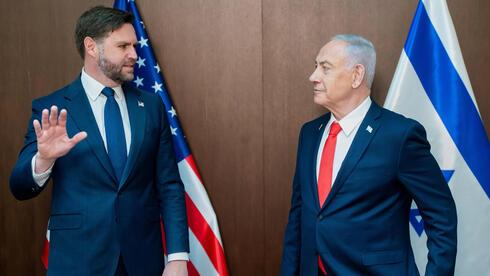
JD Vance Tells Israeli Critics to Back Trump’s Iran Deal as Netanyahu Tensions Rise
20 sources compared

United States and Iran Sign Memorandum of Understanding to End War, Pakistan Confirms Switzerland Ceremony
11 sources compared
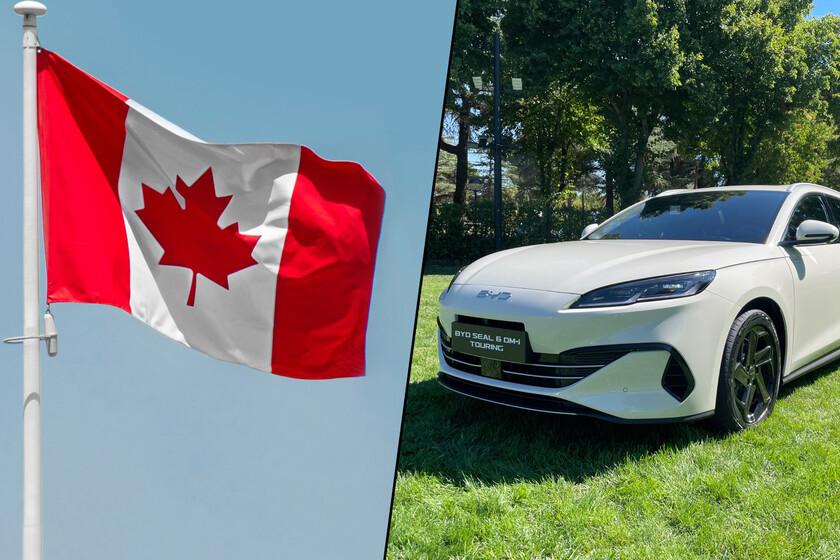
Mark Carney Reassures Donald Trump on Capping Chinese Electric Vehicle Imports at G7
13 sources compared