USA01 April, 20264 min read
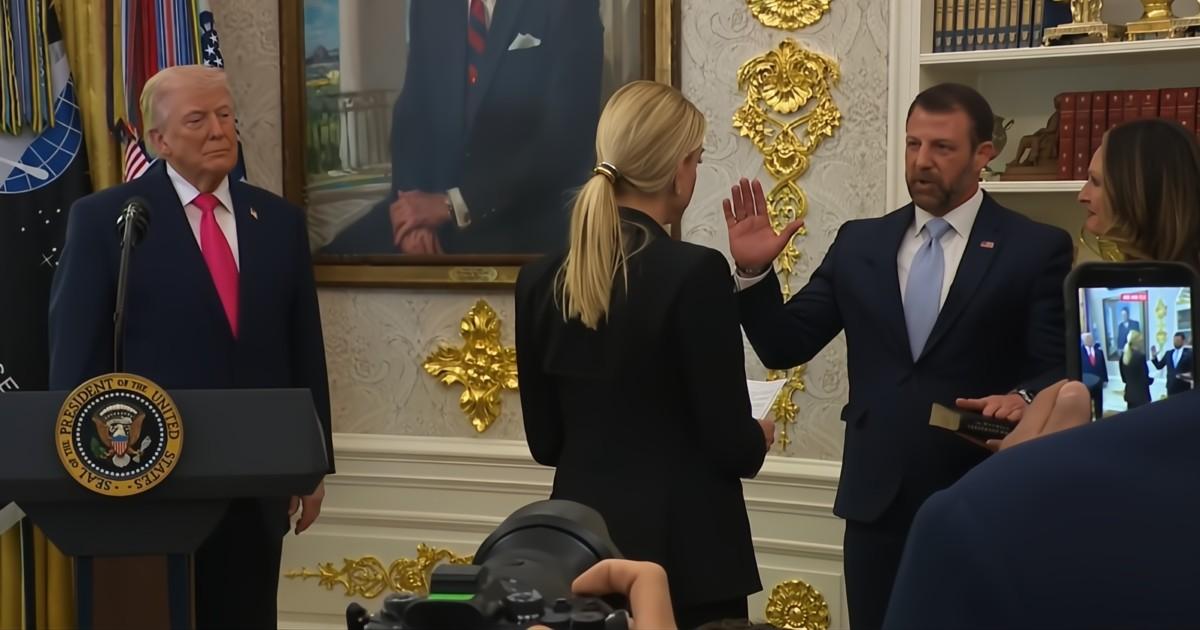
Trump swears in Mullin as DHS secretary amid funding stalemate
Mullin sworn in as DHS secretary at the White House amid shutdown. Senate confirmed Mullin 54-45; Rand Paul opposed, Fetterman and Heinrich supported.

Ceremony and Confirmation
President Donald Trump formally swore in Markwayne Mullin as the new Secretary of Homeland Security during an Oval Office ceremony.
“President Donald Trump swore in Markwayne Mullin on Tuesday as the new Secretary of Homeland Security, as lawmakers remain at a stalemate over funding the agency and ending a shutdown.”
Attorney General Pam Bondi administered the oath to Mullin, who was confirmed by the Senate in a contentious 54-45 vote largely along party lines.
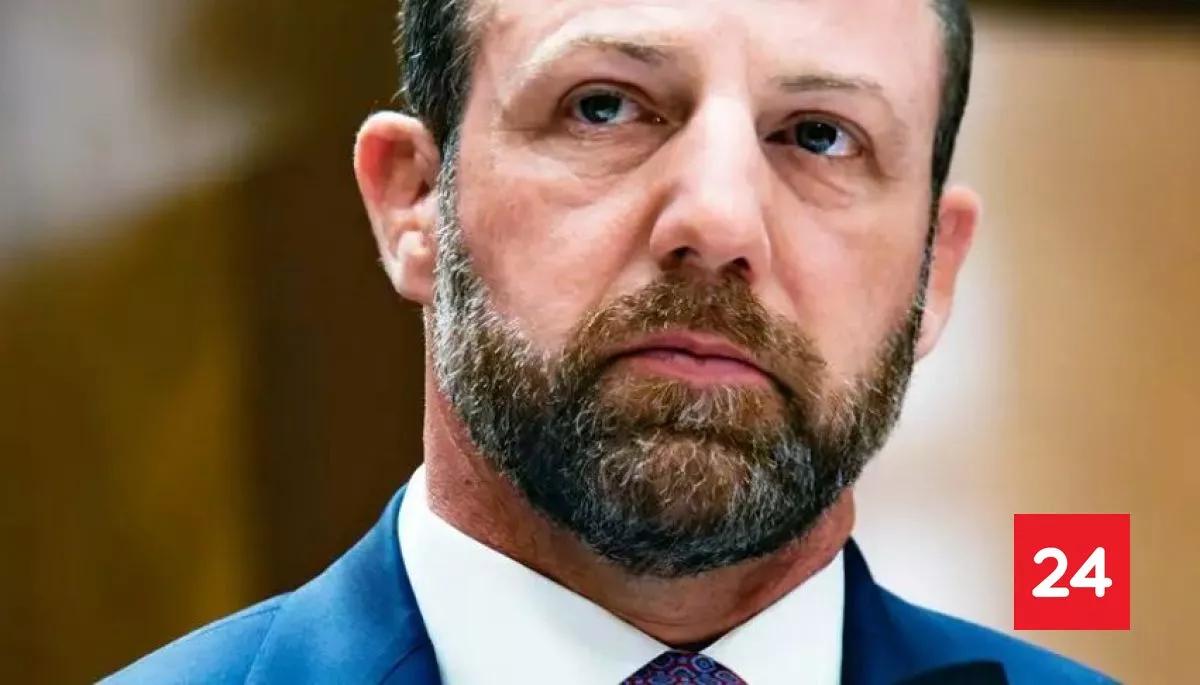
The Oklahoma Republican and former mixed martial arts fighter takes charge of DHS at a precarious moment, inheriting a department that has been without routine funding for over 40 days since mid-February.
Trump praised Mullin as a 'great American patriot' and expressed confidence in his ability to lead the agency.
Mullin emphasized a nonpartisan approach, stating he doesn't 'care what color your state is, if you're red or blue. At the end of the day, my job is to be Secretary of Homeland and to protect everybody the same.'
Shutdown Impact and Airport Response
The funding impasse has created severe operational challenges for DHS, particularly at airports where Transportation Security Administration (TSA) workers have gone unpaid for weeks. The shutdown has led to staffing shortages with 11% of TSA agents calling out on Monday and at least 458 having resigned altogether, causing significant delays and long lines at major airports across the country.
In response, President Trump has deployed more than 100 ICE agents to airports to assist with security operations, a move that has drawn criticism from some Democratic officials who expressed concerns about potential immigration enforcement activities in these sensitive settings. The deployment highlights the administration's strategy to maintain security functions while the budget standoff continues, though ICE agents are primarily funded through separate appropriations that were approved last year, allowing them to continue working despite the shutdown.
Democratic Demands and Negotiations
The funding stalemate centers on Democratic demands for significant reforms to immigration enforcement operations following controversial actions by federal agents in Minneapolis that resulted in the deaths of two American citizens. Democrats are insisting on several key changes before agreeing to fund DHS, including requirements that immigration officers identify themselves clearly, refrain from wearing masks during operations, avoid enforcement actions around schools, churches and hospitals, wear body cameras, and obtain judicial warrants before entering private residences.
“Democrats have tried to pass bills that would support other critical parts of the DHS, such as the Transportation Security Administration, as more than 300 TSA agents have resigned since the shutdown began.”
While Mullin has indicated support for some of these measures—particularly the warrant requirement for home entries—he has emphasized that ultimate policy direction will be determined by the White House. The Senate is currently considering a potential compromise that would fund most DHS agencies, including TSA, but exclude ICE's Enforcement and Removal Operations branch from the funding, though negotiations remain stalled as Trump links any deal to his unrelated voter ID legislation.
Mullin's Background and Approach
Mullin brings a unique background to the DHS leadership role, becoming the first Native American citizen of the Cherokee Nation to head the department. Before his Senate confirmation, he served over a decade in Congress and operated a successful family plumbing business in Oklahoma, experiences that have shaped his reputation as a pragmatic problem-solver. His athletic background as a former mixed martial arts fighter and collegiate wrestler has contributed to his combative leadership style, though he has cultivated relationships across party lines and is often viewed as a capable negotiator in Washington's partisan landscape.
Despite his business and congressional experience, Mullin has not been a central figure in immigration policy before this appointment, with his selection widely seen as a testament to his unwavering loyalty to President Trump and his strong advocacy for Immigration and Customs Enforcement officers. The new secretary has pledged to take a different approach from his controversial predecessor Kristi Noem, promising to reduce the department's media exposure and restore public trust while maintaining its core mission of protecting national security.

Policy Direction and Expectations
Mullin's confirmation comes as the Trump administration faces mounting pressure to deliver on its signature campaign promise of mass deportations, with the new secretary expected to align closely with the White House's hardline immigration agenda. While he has pledged to be a different leader from his predecessor—promising to empower rather than micromanize agency personnel and reduce controversial media exposure—observers expect Mullin to maintain and potentially intensify DHS's aggressive enforcement posture. The department is expected to pursue larger deportation operations, expand detention capacity, tighten asylum rules, and increase pressure on sanctuary jurisdictions to cooperate with federal authorities.
“Mr. Mullin will have to balance the task of mending the agency's image while also delivering on President Trump's signature campaign promise of mass deportations. He will also take the reins at a time when thousands of department employees are working without pay amid a partial government shutdown that has led to scenes of chaos at airports across the country.”
Mullin has consistently framed immigration not as a humanitarian or economic question, but as a national security threat, suggesting his leadership will prioritize stricter vetting standards, tighter visa policies, and deeper coordination between immigration enforcement and intelligence agencies. Despite his promises of nonpartisan leadership and unity, the deeply divided political landscape and the administration's uncompromising stance on immigration suggest that Mullin's tenure will be defined by continued confrontation with Democratic lawmakers and immigrant rights advocates.