
Trump Threatens NATO Withdrawal, Europe Faces Strategic Crisis
Key Takeaways
- Trump threatens to withdraw the U.S. from NATO amid Iran-Hormuz tensions.
- Legal process requires Congressional approval; critics say withdrawal cannot occur unilaterally.
- Analysts note allied unity at risk; many lawmakers and outlets doubt actual withdrawal will happen.
Trump Threatens NATO Exit
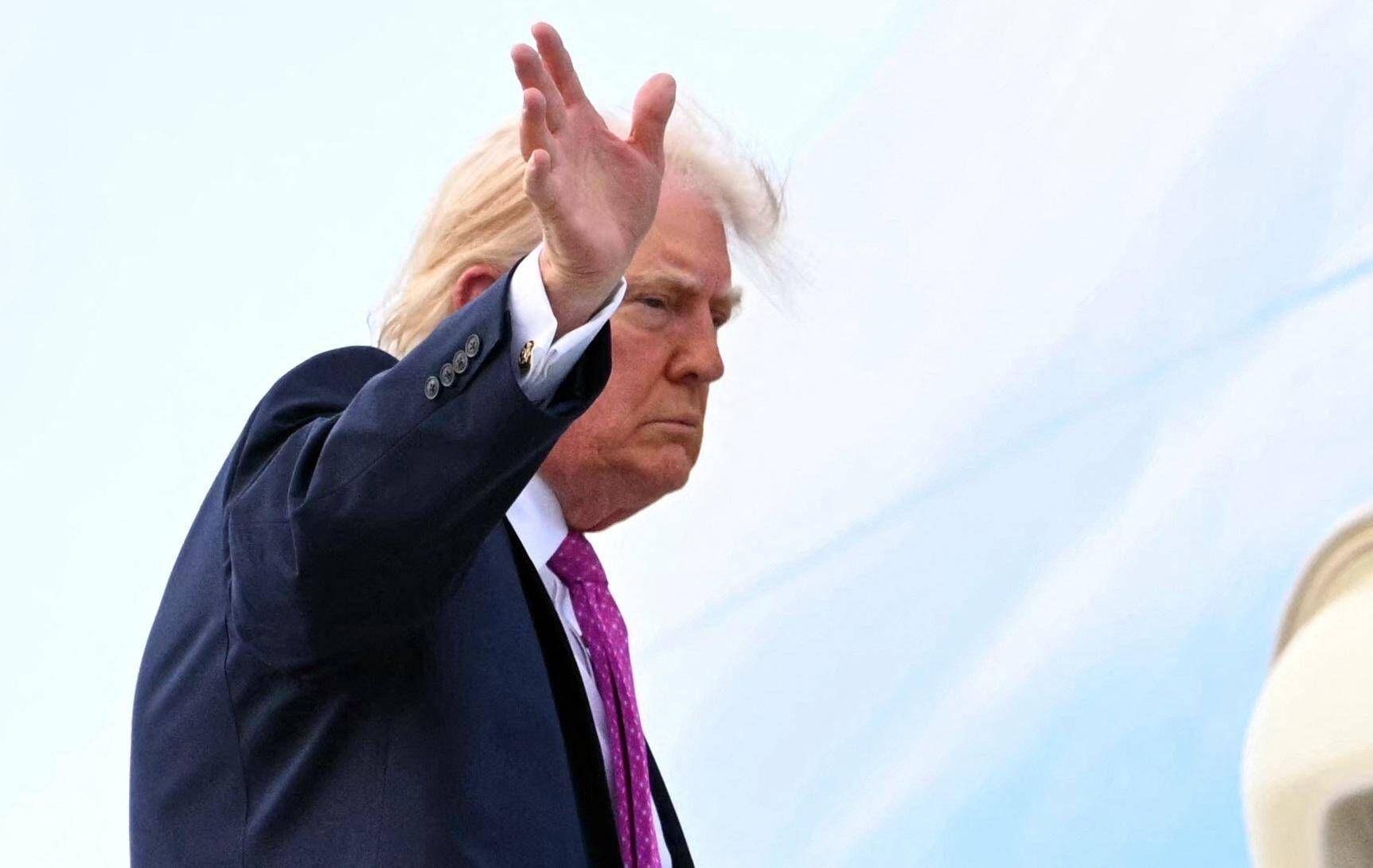
Trump threatened to withdraw the United States from NATO, describing it as a paper tiger.
Ambassador Checchia cautioned that Trump should not be taken literally.

Two Polish experts said a full US departure is still remote but consequences would be severe.
The i Paper warned the threat plays into the hands of Putin.
US-Israel Bomb Iran, Kill Over 200 Iranians
US and Israeli forces carried out coordinated strikes inside Iran, killing at least 201 people.
The deadliest strike hit a girls' school in Minab, killing at least 153 children and staff.
A Reuters/Ipsos poll found only 27% of Americans approved of the strikes.
The Atlantic Council described the campaign as a major shift toward regime change.
Iran Retaliates, Strait of Hormuz Closed
Iran retaliated by declaring the Strait of Hormuz closed and launching missile strikes on Israel.
The closure triggered economic shockwaves.
Al Jazeera covered it as a consequence of the US-initiated war, while AP framed it as Iranian aggression.
Trump Pressures Allies Over Hormuz
Trump demanded active participation by allies to secure the Strait of Hormuz.
France, the UK, Japan, South Korea, and China were asked to send warships.

Six countries, including three Nordic nations, announced they were ready to contribute.
More on Europe

French Authorities Detain MEP Rima Hassan for Terror Glorification Over X Post
18 sources compared

European Allies Defy Trump on Greenland, Deploy Troops Amid Rising Tensions
10 sources compared

EU Sanctions Three Firms Over Cyberattacks Including Iran's Emennet Pasargad
10 sources compared

Greece's Tempi Train Disaster Trial Marries Public Anger With Demand For Justice
11 sources compared