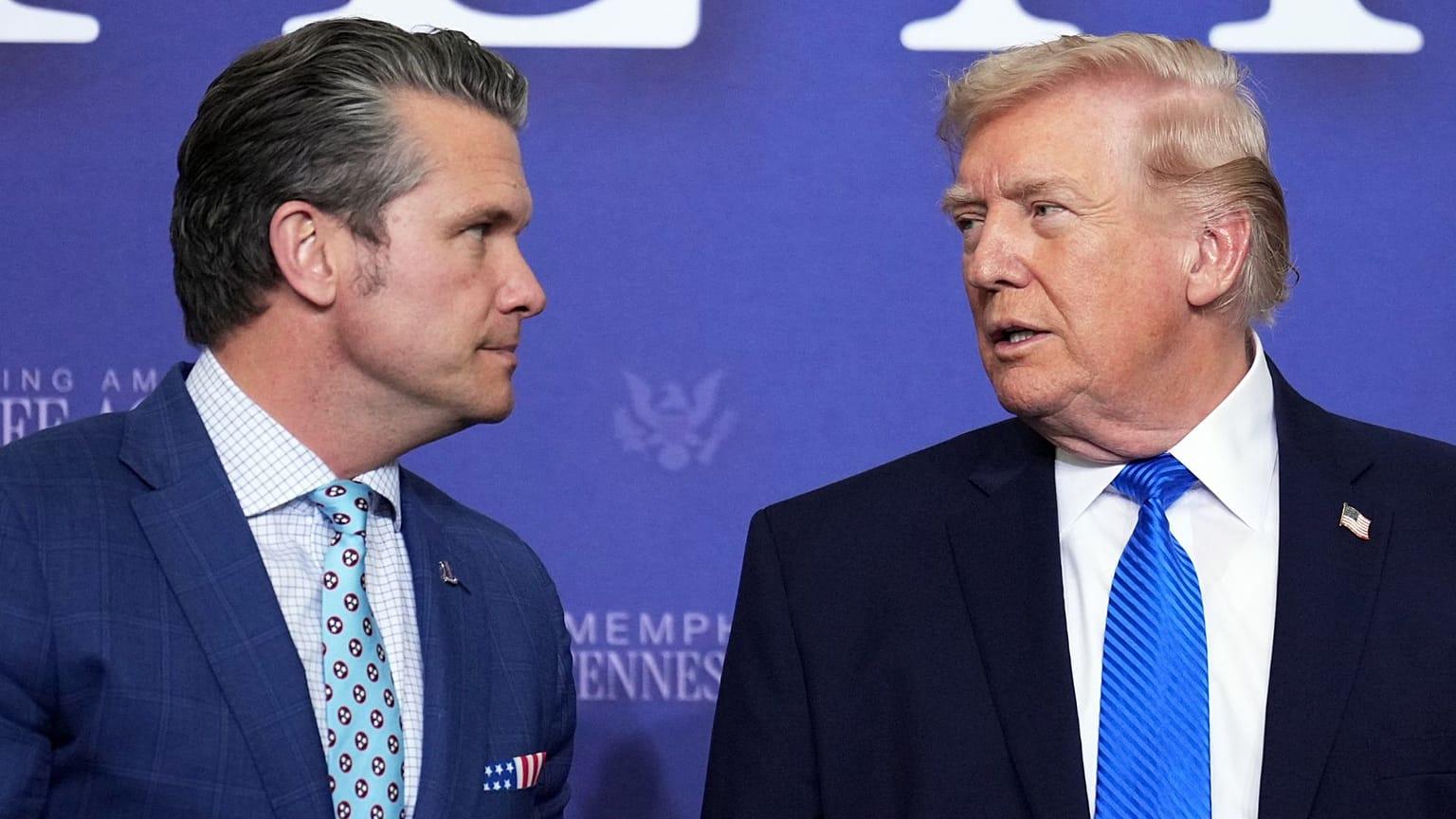
Trump Threatens To Destroy All Iran Bridges And Power Plants In Four Hours
Key Takeaways
- Trump threatened to destroy all of Iran's bridges and power plants within four hours.
- Ceasefire agreement outlines a two-week pause and reopening of the Strait of Hormuz.
- The ceasefire is fragile and subject to ongoing negotiations and regional diplomacy.
Trump's Four-Hour Destruction Plan
Trump publicly threatened to destroy Iran's entire infrastructure within a precise four-hour window.
He specified the operation would occur between 12:00 a.m. and 4:00 a.m. UTC on April 8.

Trump said, The entire country can be taken out in one night, and that night might be tomorrow night.
He also claimed every bridge in Iran will be decimated and every power plant will be out of business, burning, exploding and never to be used again.
The U.S. Fifth Fleet operates from Bahrain, while numerous air bases exist throughout the Persian Gulf.
Trump acknowledged, Do I want to destroy their infrastructure? No. It would take them 100 years to rebuild.
Legal and Humanitarian Concerns
Some experts in military law said such strikes could constitute a war crime.
A U.N. spokesman warned that attacking such infrastructure is banned under international law if it risks excessive incidental civilian harm.

The Atlantic Council explained that striking Iran's electricity infrastructure would have little impact on military capabilities.
It would spark a crisis of disease, hunger, and thirst among the civilian population.
During the 1991 Gulf War, blackouts and water outages led to epidemics that killed an estimated 100,000 Iraqis.
Trump dismissed war crime concerns, saying Iran killed 45,000 people in the last month.
Diplomatic Efforts and Regional Risks
Regional mediators were negotiating the terms of a possible 45-day ceasefire.
The intermediaries included Pakistan, Egypt, and Turkey.
Iran rejected American proposals.
About three quarters of GCC desalination plants are integrated into national electrical grids.
Striking Iran's infrastructure could cause severe pain across the region.
Trump suggested the U.S. might charge tolls for Strait of Hormuz traffic.
Justifications and Internal Debate
Trump’s senior advisers told him that power-generation facilities and bridges are legitimate military targets.
The strategy has been called into question on legal and humanitarian grounds.
Current and former military officials warned that attacking infrastructure merely to coerce negotiations is not lawful.
The White House insisted that power plants are legitimate targets because destroying them could cause civil unrest.
Trump’s rhetoric was unambiguous as he set a deadline for Iran to open the Strait of Hormuz.
More on Iran
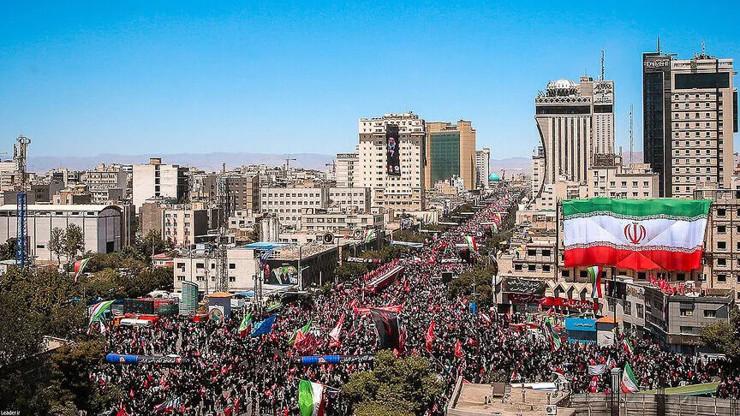
Israeli Strike Kills Ayatollah Ali Khamenei, Buried at Imam Reza Shrine in Mashhad
19 sources compared
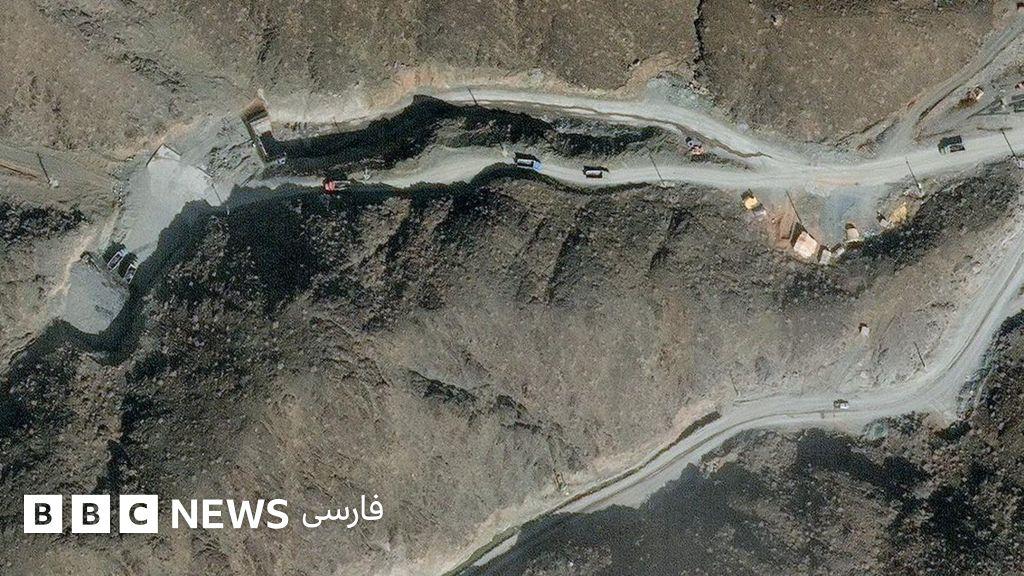
Iran Attempts To Restore Nuclear Sites Damaged In US And Israel Strikes, CNN Satellite Images Show
15 sources compared
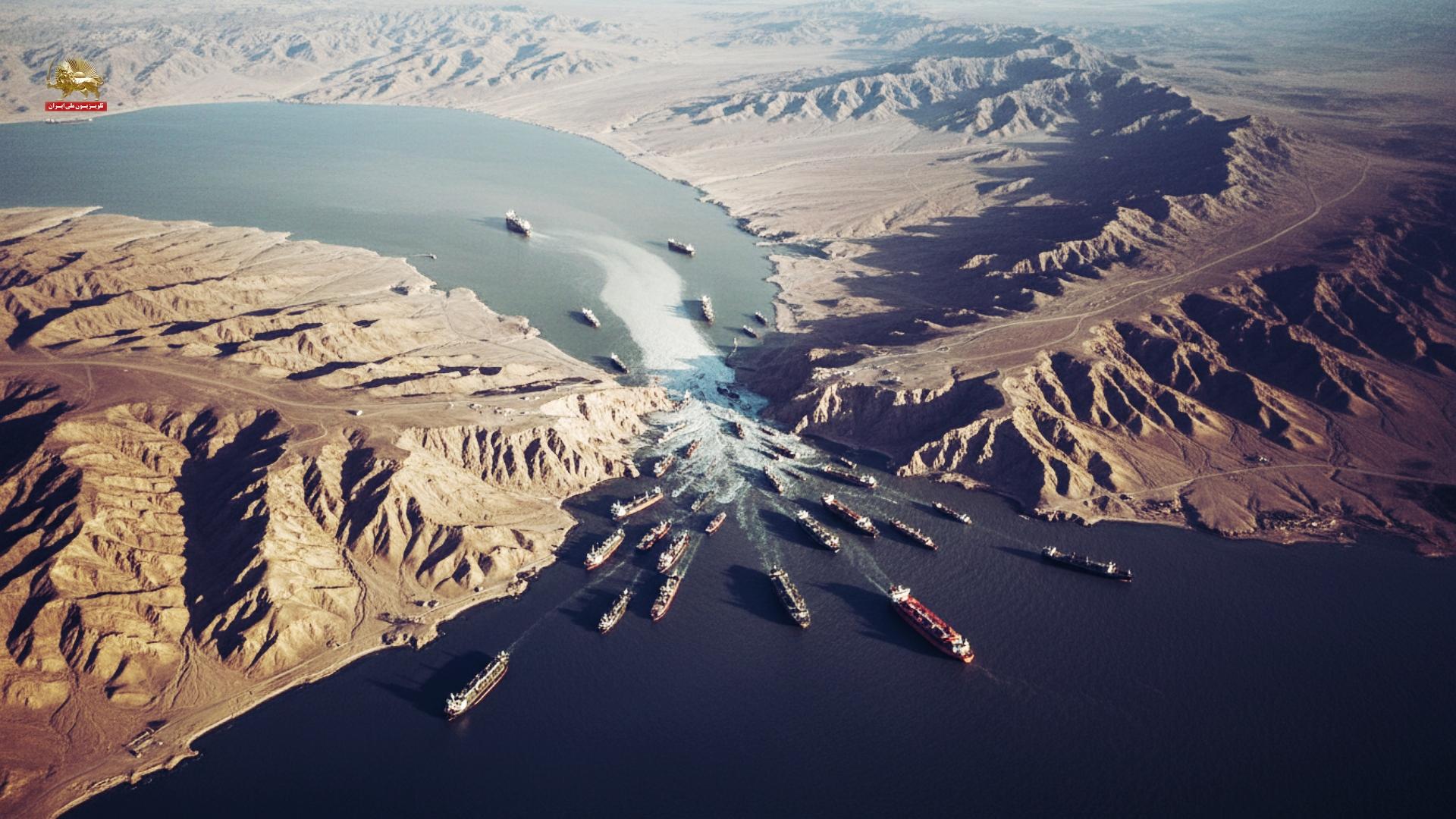
Abbas Araghchi and Prince Faisal Bin Farhan Discuss Regional Developments After US Attacks
11 sources compared

Trump Says U.S. Agreed to Continue Iran Talks, Ceasefire Is Over
19 sources compared