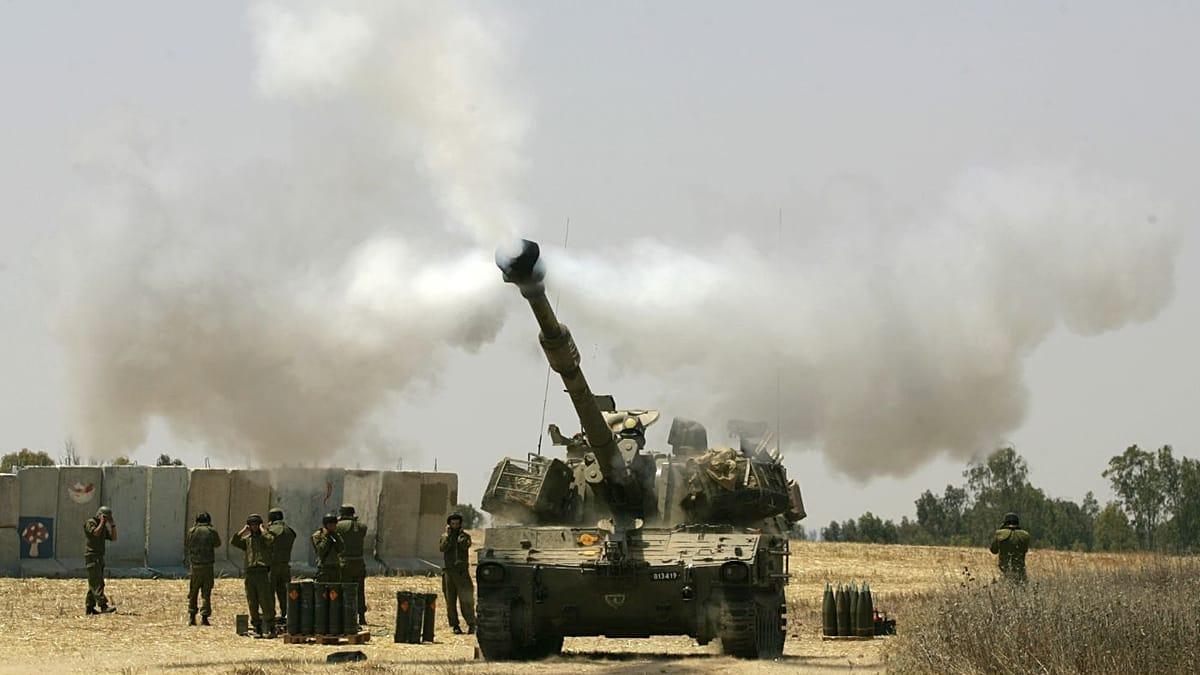
Trump Threatens to Destroy Iran as War Kills Thousands Across Region
Key Takeaways
- Trump threatened to take out Iran in one night if no deal.
- Threatened strikes on energy infrastructure, bridges, and power plants.
- Diplomacy pursues a 45-day ceasefire mediated by Pakistan, with U.S. and Iran proposals.
Escalating Destruction
Trump escalated his threats against Iran, warning the US could destroy the country in one night.
“Trump said Iranians are willing to suffer "in order to have freedom”
The threat came despite growing international concern over civilian casualties, which had already topped 3,400 across the region.

Israeli and US strikes had killed more than 1,900 people in Iran, including at least 153 children.
Trump framed the destruction as necessary to reopen the Strait of Hormuz.
Widening Regional Conflict
Iran rejected the Pakistani-mediated ceasefire proposal and countered with its own 10-point plan.
The IRGC called Trump's threats baseless and vowed to continue operations.

The Strait of Hormuz remained closed, disrupting about $20 billion in daily trade.
The fighting spilled over into other countries.
American Casualties and Public Opinion
The protracted air campaign left 13 American service members dead and 373 wounded.
“• Trump’s deadline looms: US President Donald Trump said Iran could be “taken out in one night,” which “might” be Tuesday — a deadline he set for Iran to reopen the Strait of Hormuz”
Trump hesitated to say whether the US was winding down or escalating the war.
Congressional Democrats demanded emergency hearings on the constitutional basis for the strikes.
A Reuters poll found only 27% of Americans approved of the strikes.
More on USA

Minneapolis ICE Shooting Video Clears Venezuelans, Spurs Criminal Probe
21 sources compared
US-Israeli Strikes Kill Over 200 Iranians Including 153 at Girls School
11 sources compared
American Opposition Mounts as Trump Threatens War-Crime Attacks on Iran
53 sources compared

Trump Escalates Threats as Iran Closes Strait; Bombing Devastates Cities
28 sources compared