
Trump Vows to Take Cuba Amid Island Blackout
Key Takeaways
- Trump vowed to take Cuba, calling it a great honor.
- Cuba suffered a nationwide blackout amid an oil embargo and energy crisis.
- Rubio calls for new Cuban leadership amid U.S. negotiation pressure.
Trump's Cuba Threats
President Donald Trump escalated his aggressive rhetoric toward Cuba on March 16, 2026, declaring it would be a 'great honor' for him to 'take' the communist island nation.
“There are many in Florida, especially”
Speaking from the Oval Office, Trump boasted that he could 'do anything' he wants with Cuba, stating 'I do believe I'll be having the honor of taking Cuba. That's a big honor.'
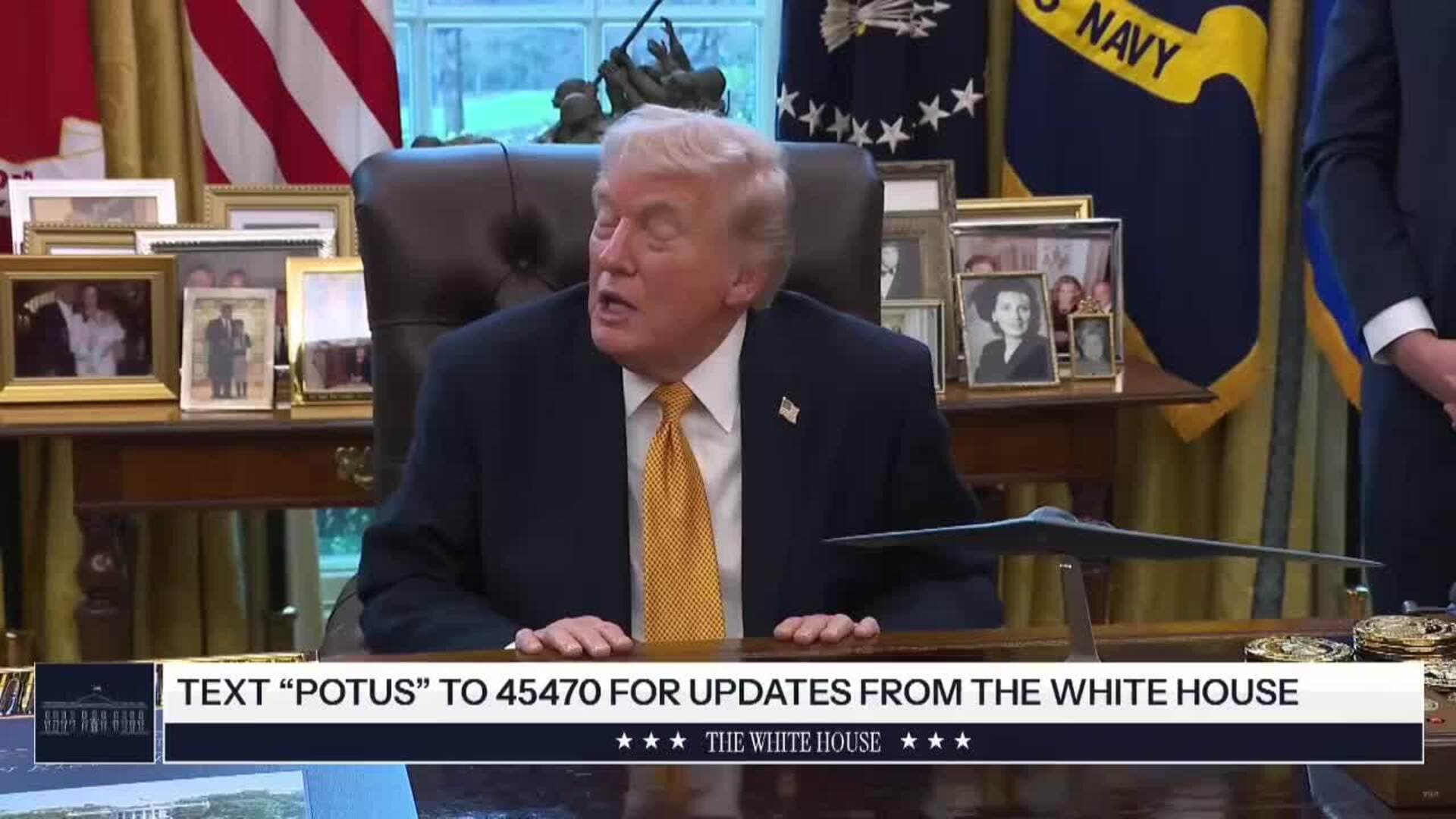
Whether I free it, take it, I think I could do anything I want with it, if you want to know the truth. They are a very weakened nation right now.'
These remarks came amid a total power blackout affecting the entire island of 11 million people, described by Cuban officials as the sixth blackout in the last 18 months.
Trump framed Cuba as a 'failed state' that is 'seeing the end,' suggesting it would be next on his list of adversaries once the conflict with Iran is resolved.
Cuba's Energy Crisis
Cuba plunged into darkness under a total power blackout that triggered a deepening humanitarian crisis across the island.
The energy crisis stems from a combination of aging infrastructure, fuel shortages, and economic strain exacerbated by U.S. sanctions and the collapse of tourism during the COVID-19 pandemic.
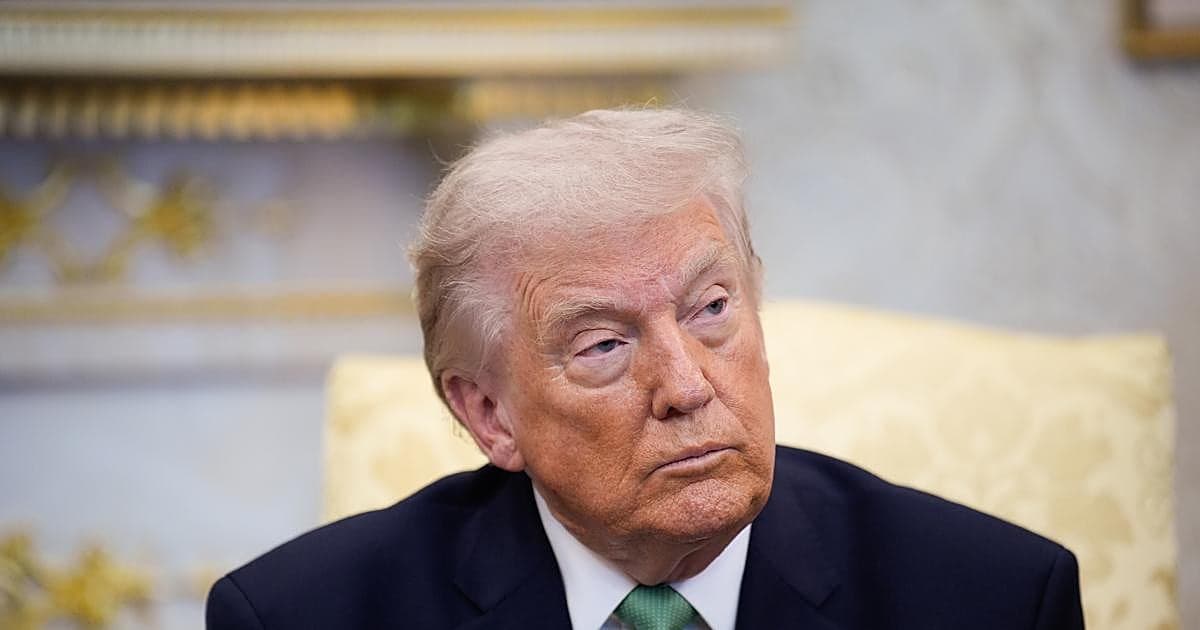
Cuba's power grid relies heavily on outdated thermoelectric plants which have suffered repeated breakdowns, with the recent blackout blamed on one plant east of Havana and the severe fuel scarcity.
Cuban officials confirmed the island has not received oil shipments in more than three months, leaving 10 million Cubans facing frequent blackouts that force hospitals to suspend operations, schools and businesses to close, and waste collection services to collapse.
Citizens described having only brief periods of electricity to cook, do laundry, and charge devices, while food spoils easily when refrigerators lose power and trash piles up in streets without proper collection services.
U.S. Oil Blockade
The Trump administration has imposed a comprehensive oil blockade on Cuba through executive orders and aggressive enforcement actions.
“Rubio said that Cuba’s decision announced this week to let citizens living in exile invest and own businesses in the country did not go far enough”
On January 29, 2026, Trump signed an executive order declaring a national emergency and accusing Cuba's government of 'extraordinary actions that harm and threaten the United States,' which authorized the U.S. to impose tariffs on countries that directly or indirectly supply oil to Cuba.
Following the U.S. military operation that captured Venezuelan President Nicolás Maduro in January, Trump declared that no Venezuelan oil would go to Cuba, effectively cutting off Cuba's main oil supplier.
The U.S. has continued to intercept vessels in the Caribbean Sea searching for fuel for Cuba and has threatened sanctions against any country attempting to deliver fuel to the island.
This strategy of 'economic asphyxiation' has been described by Cuban officials as a violation of international law, with the Treasury Department only belatedly allowing the resale of some Venezuelan oil for 'commercial and humanitarian use' to private companies in Cuba, though this is unlikely to meet the 100,000 barrels daily needed to sustain the island.
International Solidarity
International community has largely condemned the U.S. actions and expressed solidarity with Cuba, with Russia emerging as a prominent defender of the island nation.
The Russian Foreign Ministry responded to Trump's remarks by stating it would 'continue to support Cuba amid Trump's threats of a takeover' and condemned 'attempts of gross interference in the internal affairs of a sovereign state, intimidation, and the use of illegal unilateral restrictive measures.'

Russia has reaffirmed its 'unwavering solidarity with the government and fraternal people of Cuba,' noting that 'Liberty Island' is facing 'unprecedented challenges' as a 'direct result of the long-term trade, economic, financial and, more recently, the U.S. energy embargo against Cuba.'
Russian analysts have warned that a weakened Cuba could have significant implications for Russia's global policy in the Americas, with one report noting that 'The fall of Cuba would be perceived by the Global South as final proof of the inability of Russia, China, or anyone else to function as an alternative center of power.'
Other nations including China, Mexico, Venezuela, Nicaragua, and Bolivia have also expressed solidarity with Cuba, defying U.S. warnings of tariffs and sanctions.
Secret Negotiations
Despite the escalating tensions, secret negotiations have been underway between U.S. and Cuban officials, though the Trump administration is reportedly demanding significant concessions.
“An old American car passes near a poster of the late Cuban leader Fidel Castro (L), his brother and successor Raúl Castro and current leader Miguel Díaz-Canel in Havana”
Cuban President Miguel Díaz-Canel confirmed that 'Cuban officials have recently held conversations with representatives of the United States government,' stating these talks have been aimed at 'seeking solutions through dialogue to the bilateral differences that exist between the two nations.'
However, according to sources quoted by The New York Times, American representatives have told Cuban negotiators that President Díaz-Canel should resign as part of any agreement, though the specific steps would be left to Cuban authorities.
Some American officials believe that the departure of the head of state could facilitate structural economic changes that Díaz-Canel would hardly support.
Meanwhile, Trump has confirmed the discussions while simultaneously escalating his threats, stating 'Cuba also wants to reach an agreement, and I think very soon we will reach an agreement or we will do whatever is necessary,' though he clarified that 'we will deal with Iran before Cuba.'
Historical Context
The current crisis represents the latest chapter in decades of fraught U.S.-Cuba relations, with Trump's policies reversing the brief thaw during the Obama administration.
After nearly seven decades of defying the United States, Havana's communist authorities are under massive pressure from a Trump administration determined to make history.
While the Cuban government places heavy restrictions on the country's private sector, decades of U.S. sanctions have crippled Cuba's economy, a reality compounded by Trump's aggressive approach.
Secretary of State Marco Rubio has publicly stated that Cuba 'has to get new people in charge,' claiming the island has 'an economy that doesn't work in a political and governmental system.'
The Trump administration has forced at least two major regime changes this year: killing Iran's Supreme Leader Ayatollah Ali Khamenei amid U.S.-Israeli joint military operations, and capturing Venezuela's President Nicolás Maduro in a daring military operation in early January—the latter of which exacerbated Havana's current crisis.
More on USA

7th Circuit Upholds Illinois Protect Illinois Communities Act Ban on Semiautomatic Guns
12 sources compared

Indiana State Police Trooper Justin Heflin Shot During Pursuit; Suspect Kevin W. Meyers Found Dead
10 sources compared

Donald Trump Fires Election Assistance Commission Members, Leaving No Commissioners
12 sources compared

Eight Accused Of Planning Terror Attack At Casa Blanca UFC Freedom 250 Event
18 sources compared