
Trump vows to take Cuba as Russia responds
Key Takeaways
- Trump says he would have the honor to take Cuba.
- Rubio calls for new leadership in Cuba, Díaz-Canel departure.
- US warns reforms insufficient amid energy embargo tensions.
Trump's Escalating Rhetoric
President Donald Trump has escalated his rhetoric toward Cuba, declaring he would have the 'honor of taking Cuba' amid the Caribbean nation's worsening economic crisis.
Speaking from the Oval Office on March 16, 2026, Trump stated: 'I do believe I'll be having the honor of taking Cuba. That's a big honor. Taking Cuba in some form... Whether I free it, take it, I think I could do anything I want with it, if you want to know the truth.'
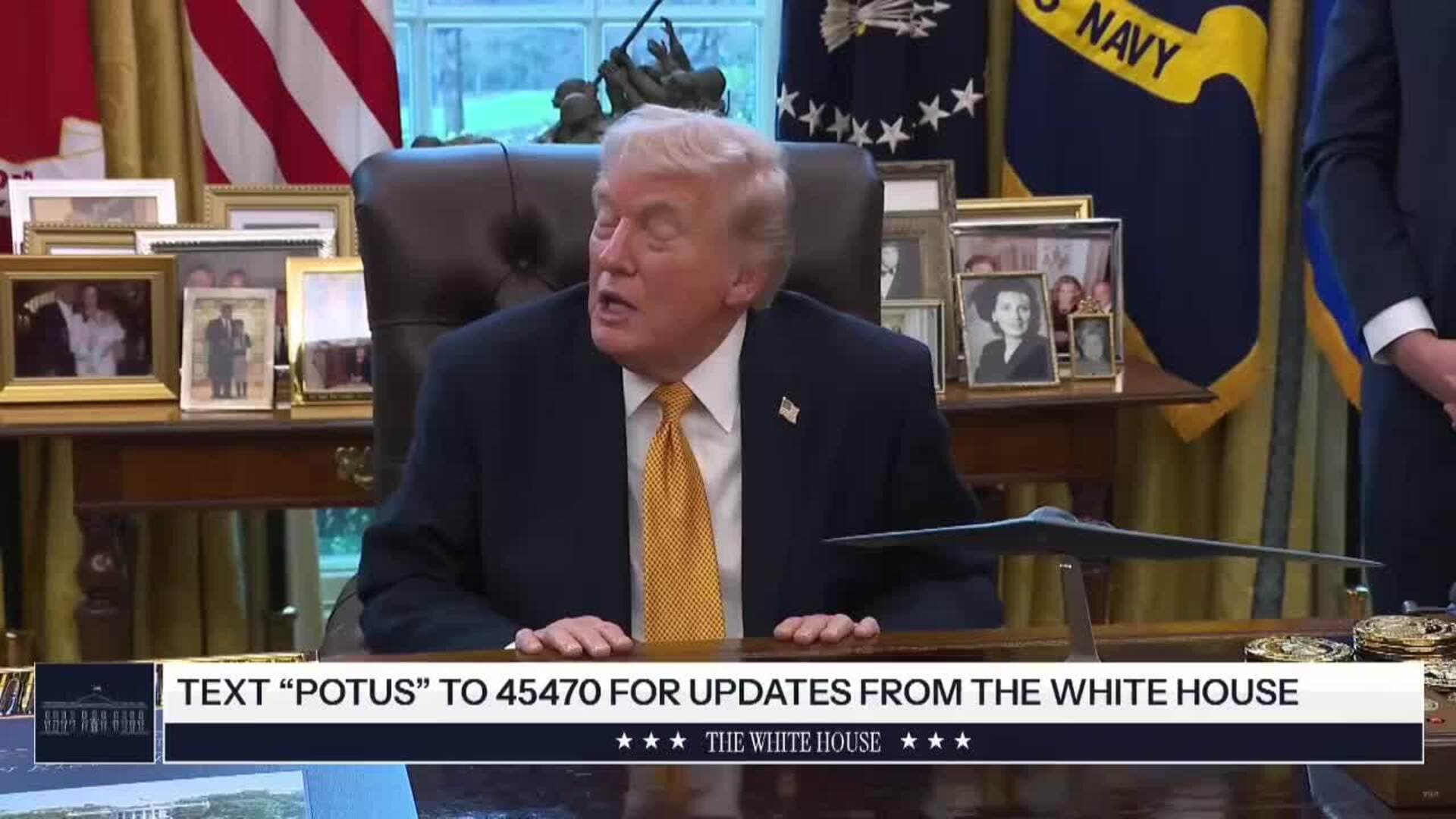
This follows his earlier threat of a 'friendly takeover' of the longtime U.S. adversary.
Trump has repeatedly called Cuba a 'failed state' and suggested it would be next on his list once the conflict with Iran winds down.
The president confirmed that Cuban officials have been in talks with his administration, though he provided no details of the engagement.
'Cuba also wants to reach an agreement, and I think we will achieve it very soon or we will do whatever is necessary,' Trump stated, while clarifying that his administration would focus on Iran before Cuba.
Cuba's Economic Crisis
Cuba is experiencing a severe economic and energy crisis exacerbated by U.S. policies after the capture of Venezuelan leader Nicolás Maduro.
The Trump administration imposed a total oil blockade through Executive Order 14380, which threatens sanctions on any country delivering fuel to the island.
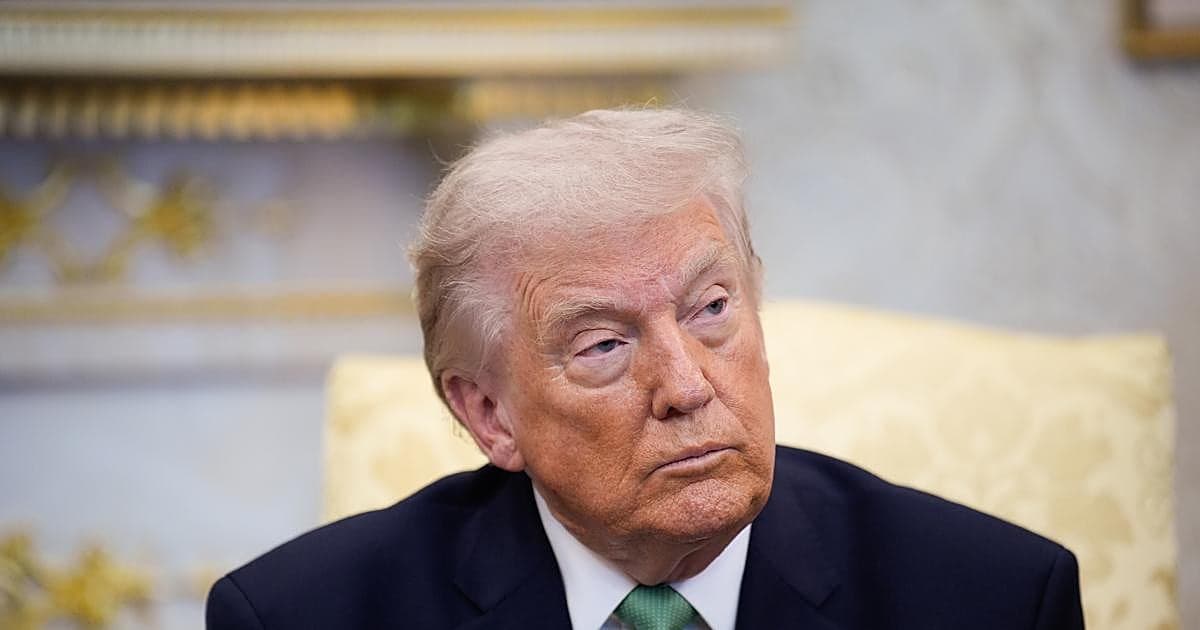
This has resulted in nationwide power outages, with Cuba dealing with an outage affecting the entire island of 11 million people on March 16.
The energy crisis has paralyzed vital services including hospitals and transportation, leaving the country without crude for more than three months.
The economic hardship has sparked social discontent, with the number of protests or expressions of dissent on the island increasing from 30 in January to 130 in the first half of March, according to researcher José Raúl Gallego from Cuban exile human rights group Cubalex.
In an unusual display of dissent, anti-government protesters even attacked a Communist Party office in the central city of Morón on March 14.
Russian Response
Russia has responded strongly to Trump's threats against Cuba, reaffirming its unwavering solidarity with the Cuban government and people.
“It’s not going to fix it”
The Russian Foreign Ministry condemned what it called 'attempts of gross interference in the internal affairs of a sovereign state, intimidation, and the use of illegal unilateral restrictive measures.'
The ministry noted that 'Liberty Island' is now facing 'unprecedented challenges' that have come about as a 'direct result of the long-term trade, economic, financial and, more recently, the U.S. energy embargo against Cuba.'
Russia has maintained close security and economic ties with Cuba for decades, dating back to the Soviet era, and views a weakened Cuba as problematic for its global policy in the Americas.
A January 22 report from the Jamestown Foundation found that 'The fall of Cuba would be perceived by the Global South as final proof of the inability of Russia, China, or anyone else to function as an alternative center of power.'
The international community has largely condemned U.S. actions, with 187 countries historically voting against the U.S. blockade at the United Nations General Assembly, leaving the United States and Israel in near-total diplomatic isolation.
Cuban Government Response
Cuban President Miguel Díaz-Canel has condemned U.S. actions as economic warfare and vowed resistance against any external aggression.
Díaz-Canel emphatically stated that the current crisis is the 'direct result of a ferocious economic war meticulously designed by the White House,' describing U.S. actions as 'collective punishment against the entire Cuban people, aimed at subduing them by choking off their vital sectors, such as the energy and food sectors.'

The Cuban leader denounced that 'They intend and announce plans... They intend and announce plans to take over the country, its resources, its properties, and even the very economy that they seek to suffocate in order to force us to surrender.'
In response to the attack on a Communist Party office in Morón, Díaz-Canel posted on social media that while complaints and demands are legitimate, 'the violence and vandalism that threatens citizen tranquility and the security of our institutions' will not be tolerated.
He reaffirmed Cuba's sovereign will, stating that 'any external aggressor will collide with impregnable resistance' and that 'there is a certainty that accompanies Cuba: any external aggressor will collide with impregnable resistance.'
Díaz-Canel confirmed that Cuban officials have held conversations with U.S. representatives, though he emphasized these talks are facilitated by 'international factors' that he did not specify.
Geopolitical Context
The escalating tensions between the United States and Cuba occur within a broader geopolitical context that raises concerns about potential regional instability.
“Hearn said in a Tuesday phone interview "there are many people in Cuba who are loyal to the Cuban revolution”
U.S. Secretary of State Marco Rubio has publicly stated that Cuba 'has to get new people in charge,' suggesting the Trump administration is seeking more than just economic adjustments but a change in Cuba's political direction.
Analysts note that this hardening of U.S. policy may aim to divert attention from Trump's domestic failures, such as the stalemate of the war in Iran and his low electoral approval.
The situation has created divisions within the international community, with Mexico, Canada, and countries in the ALBA-TCP bloc like Venezuela, Nicaragua, and Bolivia providing humanitarian aid and defying U.S. sanctions.
Meanwhile, the energy blockade has forced Cuba to seek alternative suppliers, with Russia announcing it would send oil to the island.
This comes as Russia faces its own U.S. sanctions amid its invasion of Ukraine, creating a complex web of international tensions.
The crisis has also highlighted Cuba's strategic importance as a potential foothold for Russian and Chinese influence in the Americas, making the island a focal point in broader geopolitical competition between major powers.
More on USA
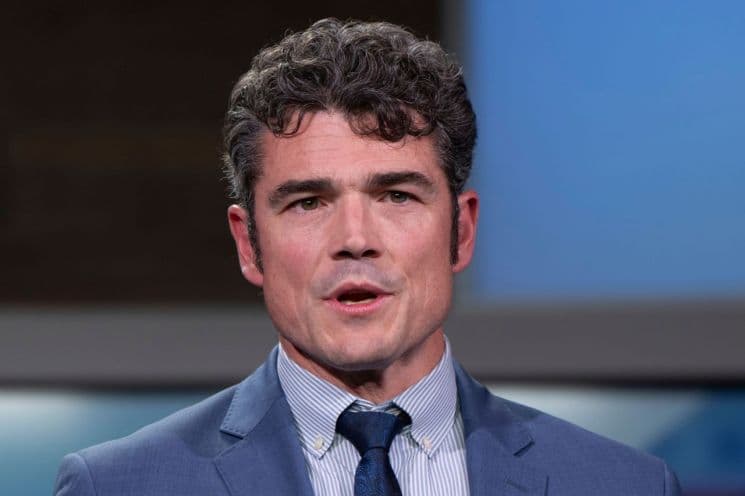
Trump Dismisses NCTC Director Joe Kent After Resignation Over Iran War Protest
38 sources compared
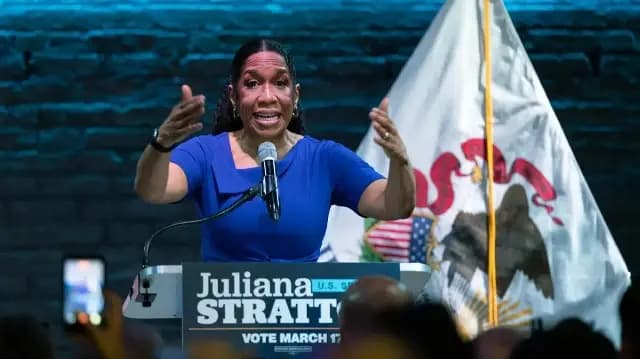
Illinois Lieutenant Governor Juliana Stratton wins Democratic Senate primary to replace Dick Durbin
51 sources compared
Evanston Mayor Daniel Biss Defeats Kat Abughazaleh in Illinois 9th Congressional District Democratic Primary
18 sources compared

UFW Cancels Cesar Chavez Events as Sexual Abuse Allegations Surface.
48 sources compared