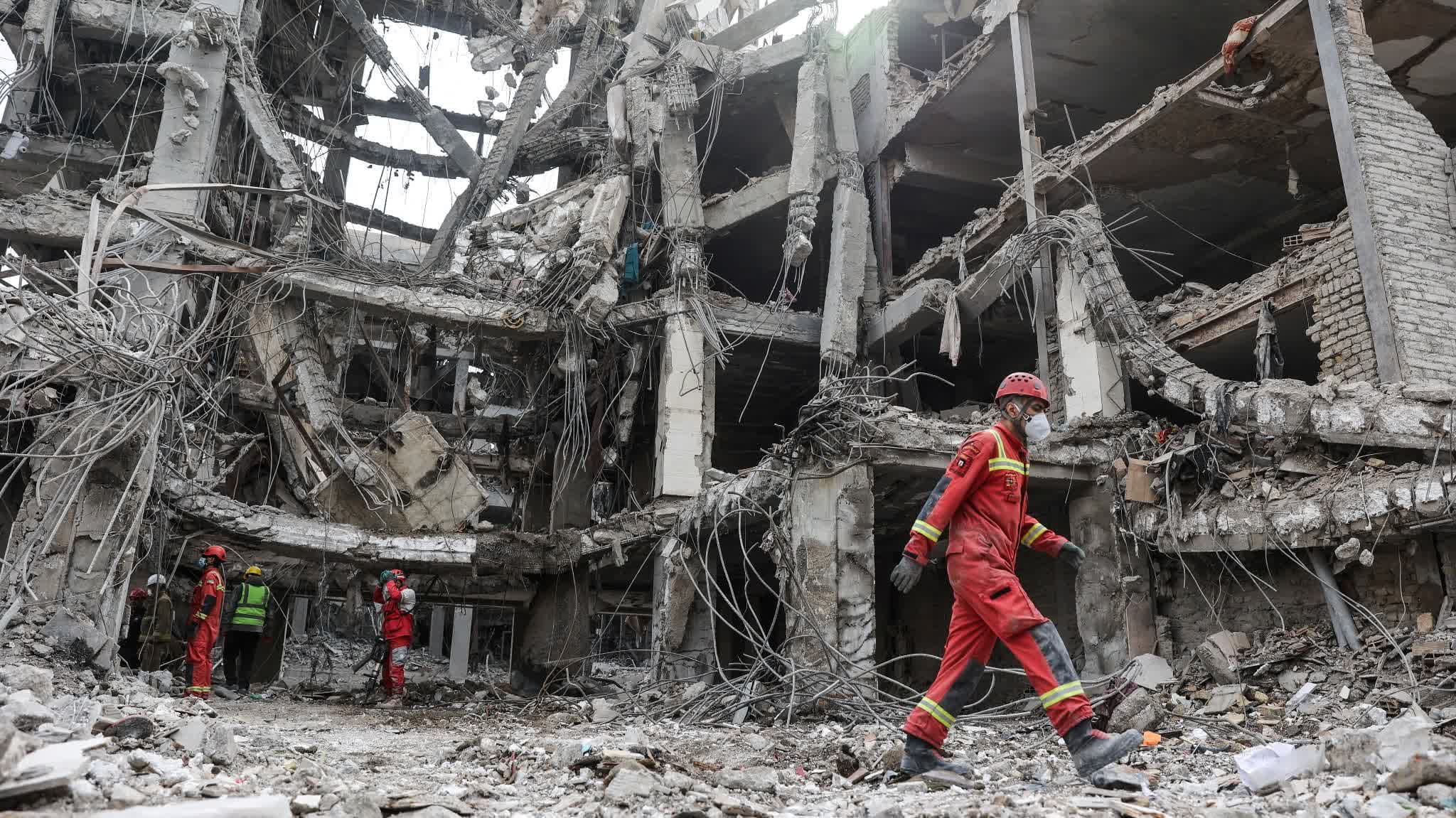
Trump's administration weighs deploying thousands of U.S. troops to reinforce Middle East operations against Iran.
Key Takeaways
- Administration weighing deployment of thousands of U.S. troops to reinforce Middle East operations against Iran.
- Options include securing the Strait of Hormuz and Kharg Island oil hub to protect shipping.
- War in Iran described as entering a possible new phase; reinforcements under consideration.
Troop Deployment Consideration
The Trump administration is actively considering deploying thousands of U.S. troops to reinforce military operations in the Middle East amidst escalating tensions with Iran.
“The Trump administration is considering deploying thousands of additional U”
This potential troop surge comes as the Iran conflict enters its third week, with officials describing the situation as potentially entering a new and more complex phase.

The discussions represent a significant expansion of the U.S. military footprint in the region, aimed at providing President Trump with broader strategic options.
While no final decision has been made, the consideration of additional forces underscores the administration's assessment that current operations may require reinforcement.
The move is aimed at achieving objectives of securing critical maritime routes and addressing Iran's nuclear capabilities.
Military Options Under Review
Among the specific military options under consideration are several high-risk scenarios involving direct deployment of U.S. forces near Iranian territory.
Primary objectives include securing safe passage for oil tankers through the Strait of Hormuz, a critical global energy route that has been threatened by Iranian attacks.

Sources indicate this mission would primarily rely on air and naval assets, but could also involve deploying ground troops along Iran's coastline.
More ambitious proposals include operations against Iran's Kharg Island, which handles 90% of the country's oil exports, though officials characterize such missions as extremely dangerous.
Additionally, the administration has discussed deploying forces to secure Iran's highly enriched uranium stockpiles, though experts warn this would be highly complex and risky even for special operations forces.
Political Risks and Challenges
The potential deployment of U.S. ground troops carries significant political risks for the Trump administration, creating a complex dilemma between military objectives and campaign promises.
“Exclusive-US weighs military reinforcements as Iran war enters possible new phase By Phil Stewart, Idrees Ali, Erin Banco and Gram Slattery WASHINGTON, March 18 (Reuters) - President Donald Trump's administration is considering deploying thousands of U”
Trump has repeatedly criticized his predecessors for involving the U.S. in foreign conflicts and vowed to keep America out of new Middle Eastern wars, yet finds himself considering exactly such deployments.
The political challenges are compounded by low public support for the Iran campaign and the inherent dangers of putting American forces within reach of Iran's missile and drone capabilities.
A White House official acknowledged these risks, stating 'There has been no decision to send ground troops at this time, but President Trump wisely keeps all options at his disposal.'
The official emphasized the administration's focus on achieving Operation Epic Fury's objectives.
Current Operations and Challenges
Current U.S. military operations against Iran have already resulted in significant casualties and resource constraints, shaping the context for potential troop reinforcements.
According to U.S. military reports, 13 troops have been killed and about 200 wounded in the conflict so far, with the vast majority of injuries being minor.

The operational tempo has been intense, with CENTCOM reporting more than 7,800 strikes conducted since the war began on February 28.
The U.S. military faces capacity constraints as the USS Gerald R Ford aircraft carrier is being sent to Greece for maintenance following a fire on board.
Meanwhile, U.S. intelligence assessments indicate Iran's nuclear program has been severely degraded, with Director of National Intelligence Tulsi Gabbard reporting that nuclear enrichment facilities had been 'obliterated' and underground sites rendered inaccessible.
International Coalition Challenges
International coalition building efforts have faced significant challenges, with many key allies reportedly snubbing Trump's requests for military support in securing the Strait of Hormuz.
“ANI |Updated:Mar 19, 2026 09:27IST Washington DC [US], March 19 (ANI): The administration of Donald Trump is weighing the deployment of additional American troops to the Middle East as the ongoing conflict with Iran enters what officials describe as a potentially new and more complex phase, according to multiple sources familiar with internal deliberations, reported Reuters”
The president had initially argued that countries dependent on Gulf energy flows should share responsibility for protecting the shipping lanes, but his recent comments suggest a rhetorical pivot after failing to secure commitments.
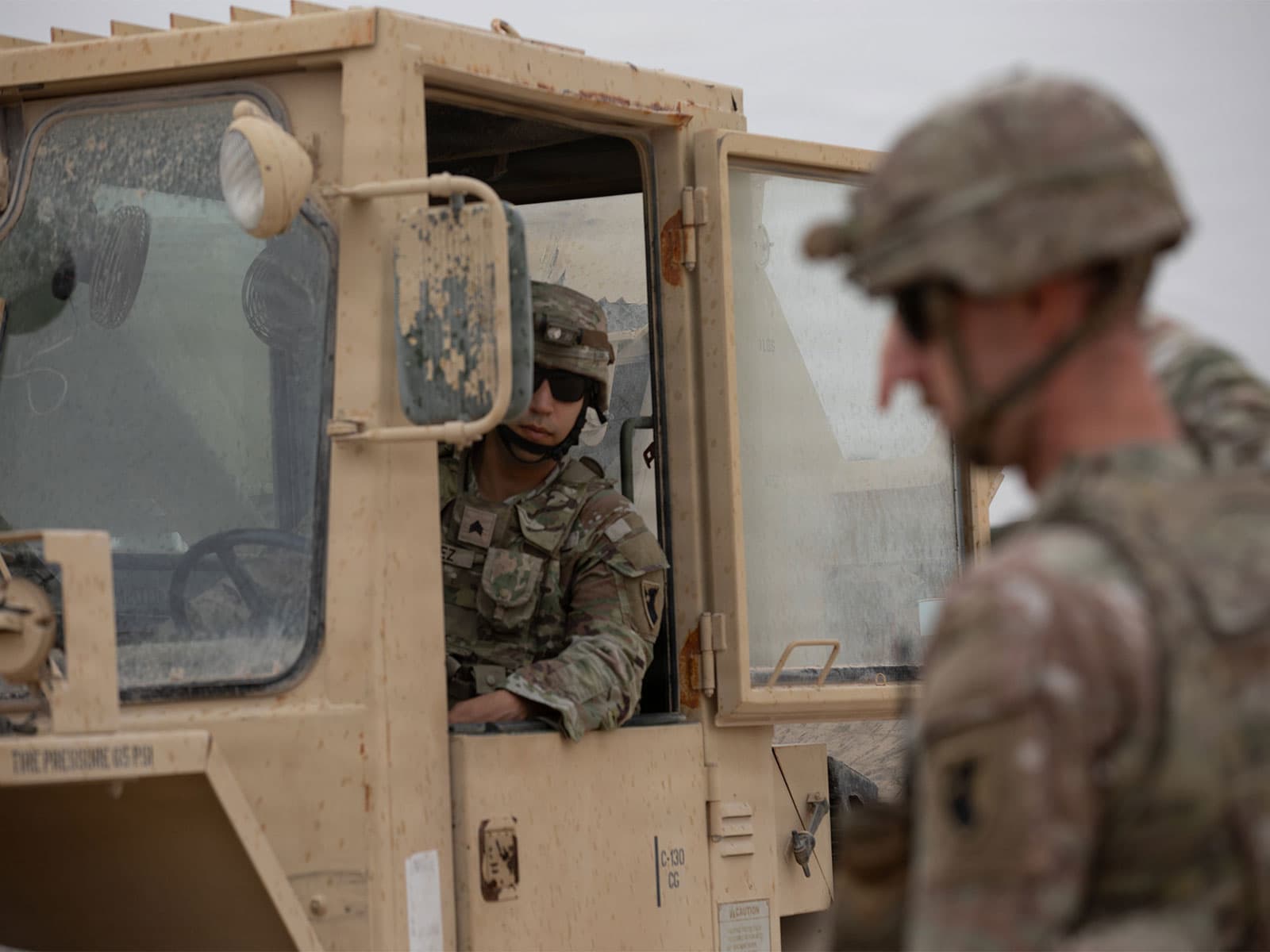
Trump stated 'Whether we get support or not, but I can say this, and I said to them: We will remember,' indicating frustration with the lack of allied participation.
Maritime industry sources note that despite a $20 billion U.S.-backed maritime insurance facility aimed at stabilizing war-risk coverage, shipowners and insurers remain reluctant to re-enter the region.
This lack of multinational cooperation raises serious questions about how quickly traffic through the Strait of Hormuz can resume without broader international support.
Mixed Signals from Administration
The Trump administration has sent mixed signals regarding the likelihood and scope of potential troop deployments, creating uncertainty about future military intentions.
While officials emphasize that no immediate deployment of ground forces is expected, they acknowledge that the situation remains fluid as the conflict continues to evolve.
Trump himself has demonstrated inconsistency, at times suggesting the U.S. could secure vital shipping routes while also questioning whether other nations should bear responsibility.
In a recent Truth Social post, Trump wrote: 'I wonder what would happen if we 'finished off' what's left of the Iranian Terror State, and let the Countries that use it, we don't, be responsible for the so-called 'Strait?'
This unpredictable messaging contrasts with the more measured statements from administration officials, who stress that all options remain available but no final decisions have been made.
More on Iran

Trump Jokes About Pearl Harbor With Japanese Prime Minister
15 sources compared

Israel Attacks Iran's South Pars Gas Field, Escalating Iran-Israel War
12 sources compared

Iran Attacks Gulf Oil and Gas Sites, Sending Prices Higher
20 sources compared
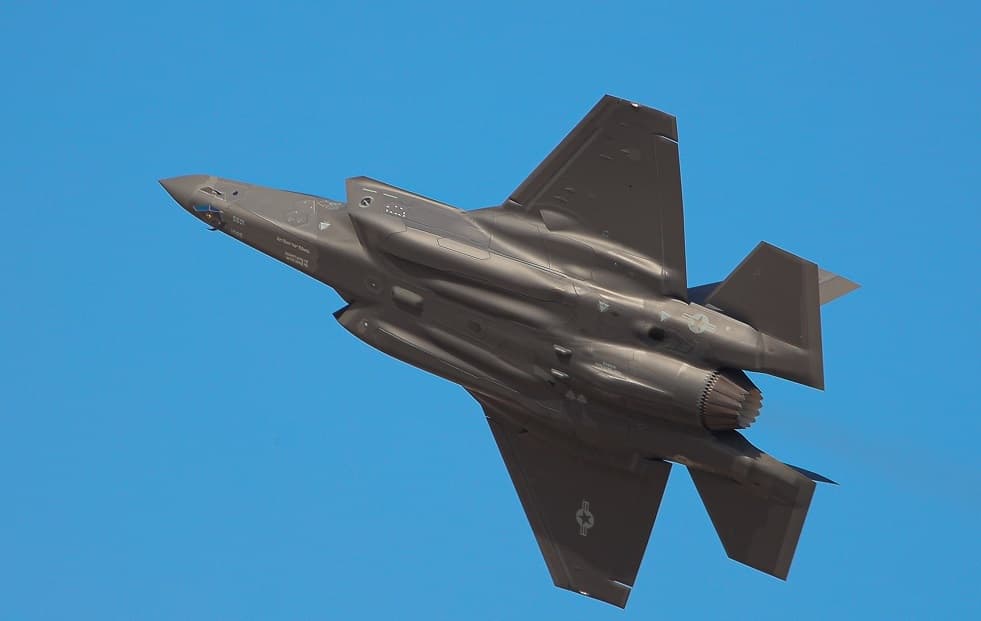
Iran Strikes US F-35, Forcing Emergency Landing
20 sources compared