President Donald Trump Celebrates Oil Price Spike as Iran War Pushes Crude Above $100
Key Takeaways
- Crude rose above $100 per barrel amid Iran-related tensions.
- Iran's war actions and Persian Gulf crisis underpin the price surge.
- The move is described as an oil shock tied to a regional crisis.
Global Oil Crisis
Global oil markets have experienced a dramatic surge in prices, with crude oil climbing above $100 per barrel due to the ongoing Iran conflict and the de facto blockade of the Strait of Hormuz.
“With a dramatic spike, the price of crude oil climbed back above $95 per barrel today”
This oil shock represents a significant departure from previous price spikes, with prices reaching levels not seen since 2022 and surging past $119 at their peak.
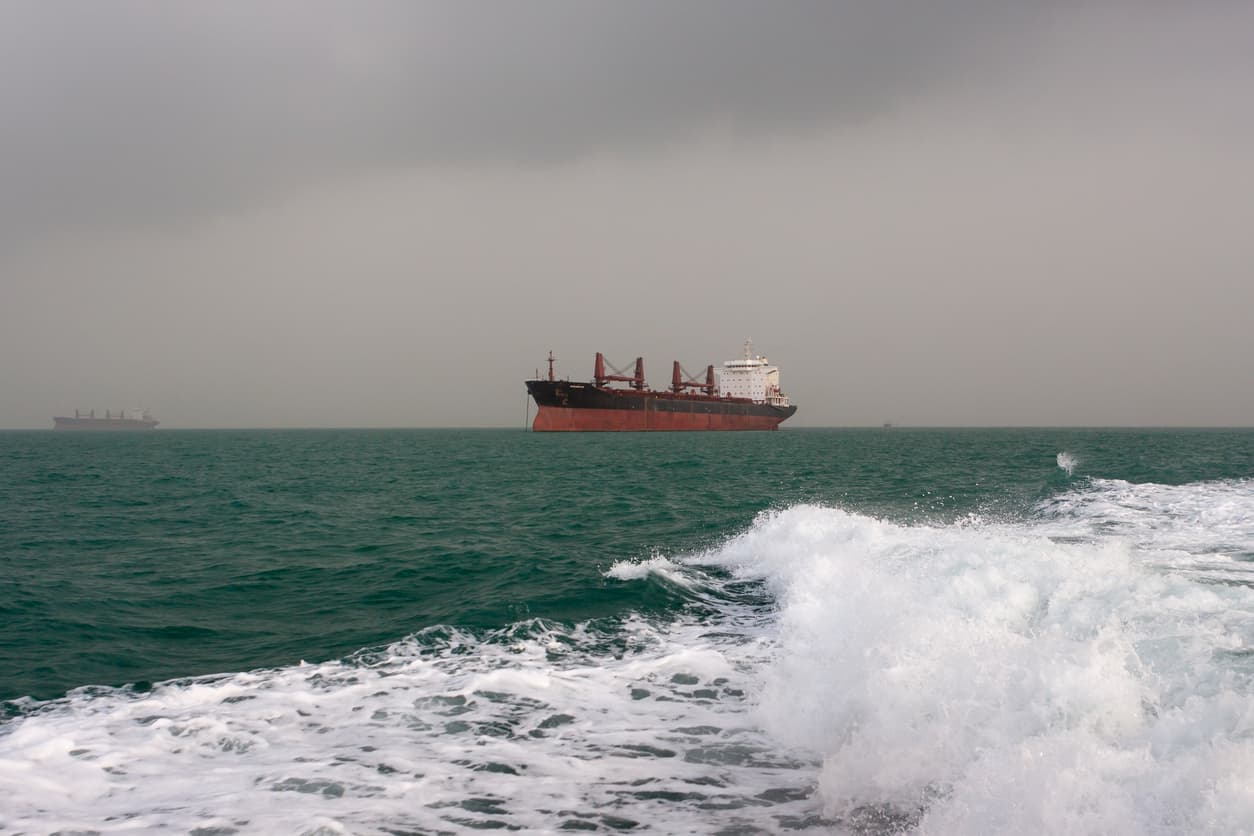
The concentration of energy exports through the strategically vital Strait of Hormuz, combined with ongoing disruptions from Russia's war in Ukraine, has created a unique set of market conditions that distinguish this crisis from previous conflicts.
Currently, the eleven countries openly engaged in major global conflicts account for an unprecedented 51 percent of global crude oil production and 56 percent of global gas production, a level of concentration not seen in over eighty years.
The implications of this conflict are substantial, particularly if the strait remains closed, with wide-ranging consequences for global markets that will differ significantly for exporting and importing countries.
Trump's Position Shift
President Donald Trump has publicly embraced the oil price spike, marking a significant departure from his previous political stance on energy costs.
Last week, Trump celebrated the rising prices, declaring that 'the United States is the largest oil producer in the world, by far, so when oil prices go up, we make a lot of money.'
This statement represents a dramatic reversal from Trump's past pledges to lower costs at the pump and his historical condemnation of high oil prices.
Energy Secretary Chris Wright has offered a contrasting perspective, arguing that elevated prices may benefit a few oil companies but not the '99 percent of Americans' who consume these energy products.
The apparent dissonance between Trump's celebration and Wright's concerns reflects the complex economic dynamics at play, where higher oil prices redistribute income within the United States rather than draining it abroad, creating winners and losers among different stakeholder groups.
US Energy Transformation
The United States has undergone a fundamental transformation in its energy landscape over the past decade, shifting from a large net importer to a significant net exporter of oil.
“With a dramatic spike, the price of crude oil climbed back above $95 per barrel today”
Twenty years ago, the country imported roughly 60 percent of the oil that it consumed, whereas today it sends more than 3 million barrels per day of crude oil and petroleum products abroad.
This dramatic shift in America's energy position has fundamentally altered how oil shocks impact the domestic economy.
Whereas previous oil shocks primarily drained income from the United States to oil-exporting nations, the current shock redistributes income within the country itself, benefiting domestic producers while still imposing costs on consumers.
The result is a more complex economic impact where the shock still hurts consumers but has the potential to be less destructive or even net positive for the economy as a whole, depending on the balance between producer gains and consumer losses.
Economic Impacts
The current oil shock is already manifesting in tangible economic impacts on American consumers and businesses.
Gasoline prices have climbed more than 70 cents since the crisis began and are expected to rise further as higher crude prices work their way through the system.
Diesel prices, which are critical for trucking and the cost of goods transportation, are also climbing to more than $5 per gallon.
Numerous analysts warn that a sustained period of high oil prices could inflict serious damage on economic growth by raising the cost of transportation, heating, and petroleum-based goods.
Additionally, high prices may increase economic uncertainty, prompting businesses and households to delay spending and investment.
Historical precedent suggests that nearly every major oil shock of the 20th century preceded a recession, with economist James Hamilton famously documenting this pattern.
Two decades ago, economist Lutz Kilian estimated that a 10 percent supply disruption—smaller than today's—could shave as much as 2 percentage points off the U.S. GDP, highlighting the potential severity of the current situation.
Policy Responses
Policy makers are exploring strategies to enhance the United States' resilience to oil shocks, recognizing that the country's new position as a net energy exporter creates both opportunities and challenges.
“With a dramatic spike, the price of crude oil climbed back above $95 per barrel today”
One suggested approach involves allowing the tax rate paid by U.S. producers to vary with changes in oil prices, which could help cushion the blow to consumers while increasing the economy's overall resilience.
This policy approach acknowledges that the previous vulnerability to high oil prices can now be transformed into a source of economic strength.
The strategic importance of the Strait of Hormuz remains a critical factor, with Saudi Arabia and the United Arab Emirates having built pipelines to bypass the waterway, though most countries, including Iran, remain heavily dependent on it.
As global oil output is set to reach an all-time high this year, exceeding one hundred million barrels per day, the balance between energy security and economic stability will continue to be a paramount concern for policy makers facing increasingly complex geopolitical and economic realities.