
Trump's Profanity-Laced Easter Rant Demands Iran Reopen Strait of Hormuz
Key Takeaways
- Trump posted an expletive-laden Easter Sunday threat to Iran to open the Strait of Hormuz.
- A new deadline was set for Iran to reach a deal with the U.S.
- The post sparked backlash and condemnation from U.S. lawmakers and analysts.
Profane Easter Threat
On Easter Sunday, President Trump escalated threats against Iran with a profanity-laced social media post that demanded Tehran open the Strait of Hormuz.
Trump set a new deadline of 8 p.m. ET on Tuesday or face strikes on critical Iranian infrastructure.

The post ended with the startling signature Praise be to Allah, drawing attention for mixing religious symbolism with martial threats.
Senate Democratic Leader Chuck Schumer called Trump an unhinged madman, warning that he was threatening possible war crimes.
Shock and Criticism
The post attracted outrage from a broad cross-section of American political and civil society.
The Washington Post noted that the president's choice to mark Easter with profane warnings was an escalation of rhetoric.

Analysts warned that Trump’s blending of religious language and military threats risked inflaming regional tensions.
The strikes had already killed over 200 Iranians, including 153 schoolchildren.
Diplomatic Fallout
Trump’s communication style deepened diplomatic rifts and raised questions about command and control.
The Strait of Hormuz remained closed, threatening nearly one-fifth of global oil shipments.
Iranian Parliament Speaker condemned Trump’s threats, warning the region was at risk of burning.
The military campaign remained shrouded in confusion about objectives.
More on Iran

Trump Threatens Power Plant Strikes if Iran Won't Reopen Strait of Hormuz
25 sources compared
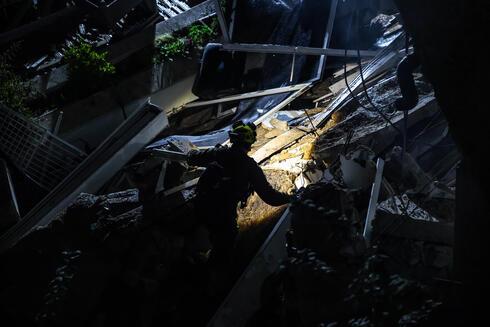
Iranian Missile Strike on Haifa Kills Two, Destroys Apartment Building
10 sources compared
Trump Threatens Iran With Massive Airstrikes Over Hormuz Strait Closure
23 sources compared

US-Israeli Strikes Destroy Sharif University, Kill Scores Across Iran
17 sources compared