Turkey Leads Regional Coalition for Iran Ceasefire as War Devastates
Key Takeaways
- Regional diplomacy includes Turkey coordinating talks with regional partners to de-escalate Iran war.
- Strait of Hormuz disruption risks energy routes and global prices amid fighting.
- Turkey aims to stay out of the war while pursuing regional mediation.
Turkey Condemns, Leads Mediation
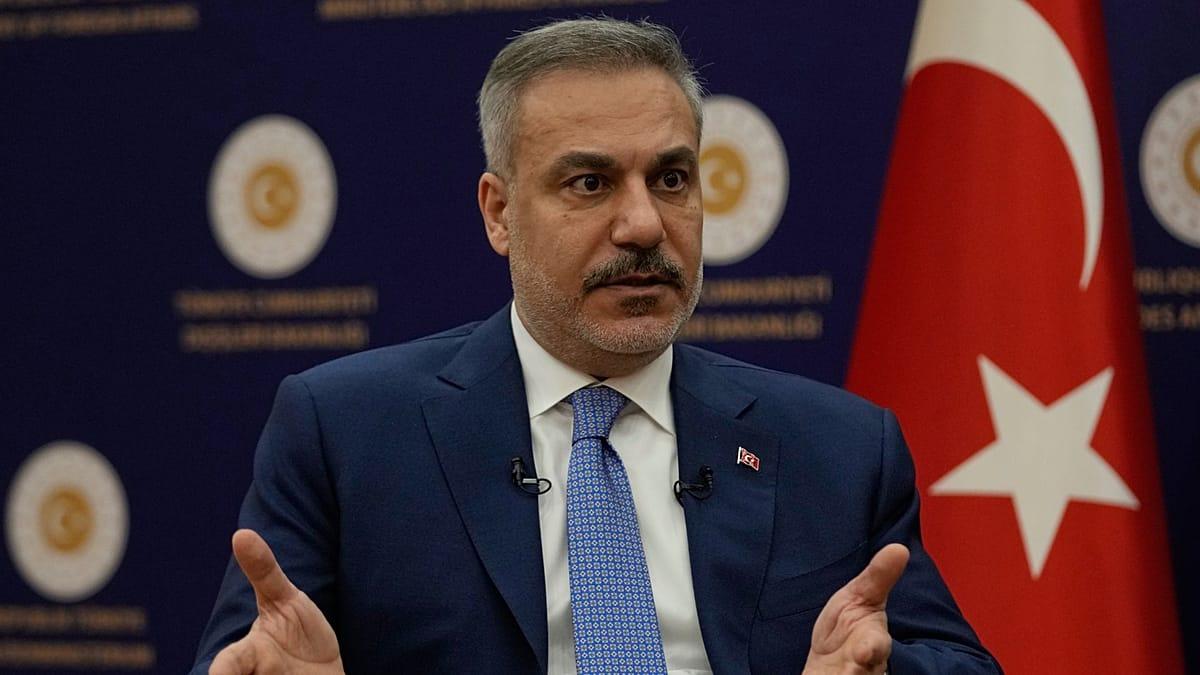
Turkey has emerged as a leading regional mediator seeking to end the war in Iran while condemning both US-Israeli aggression and Iranian retaliation.
President Erdogan condemned Operation Epic Fury and Turkey has condemned Tehran's missile attacks against GCC countries.

The Guardian included interviews with Iranians fleeing the country, expressing a hope that the bombing is working to remove the regime.
Regional Coalition Forms
Turkey, Saudi Arabia, Egypt, and Pakistan formed a coalition of necessity to reduce the intensity of the conflict.
Left Voice characterized this as a coalition seeking to redefine the regional balance.
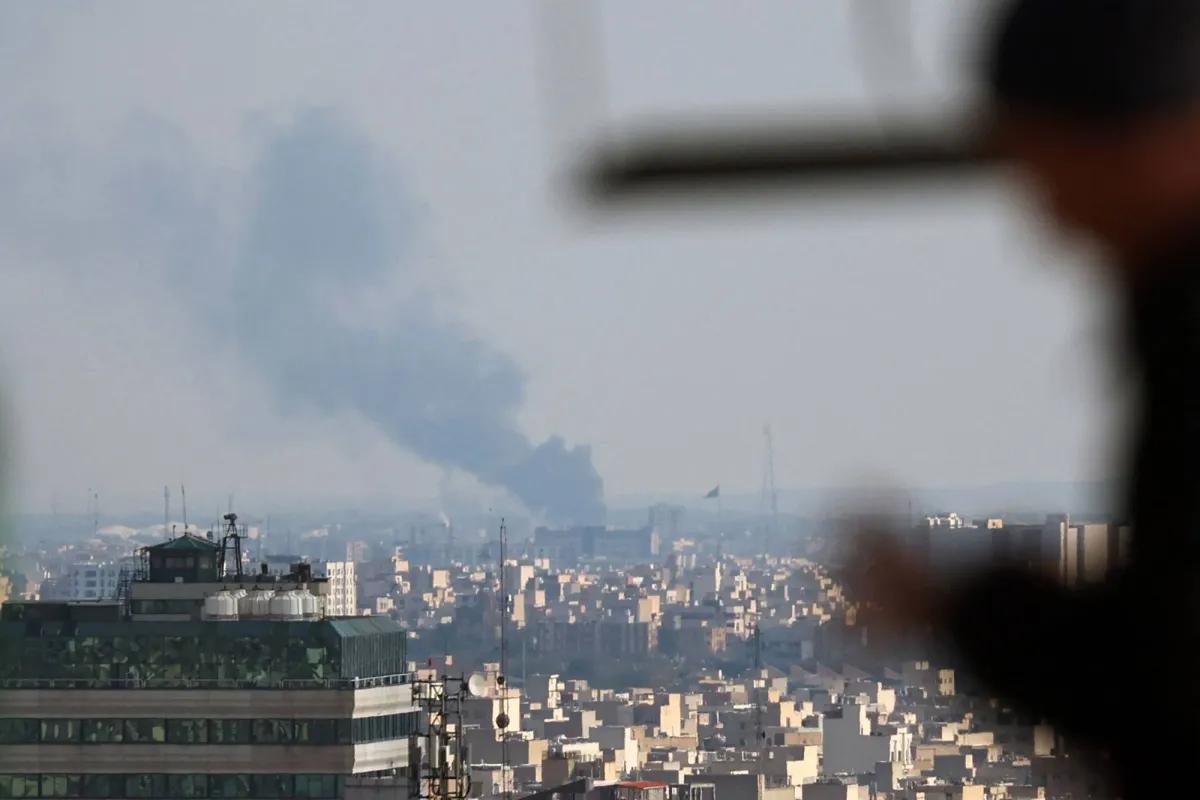
Anadolu reported Turkish Vice President Yilmaz stating that Israeli attacks aim to destabilize the region.
Strait of Hormuz Closure
Iran's closure of the Strait of Hormuz disrupted 20% of global oil and gas supplies.
“Turkey: Israeli attacks in the region aim to destabilize the region”
Brent crude prices jumped 53% since before the war began.
Iraqi officials told AP the war had dealt a heavy blow to the Iraqi economy.
Israeli Politics and Regional Security
Haaretz reported Gulf states deliberating on post-war security architectures.
The Guardian noted that Gulf elder states are stepping back from the US-Israeli venture.

The Israeli marginalization of Gulf states represent a profound geopolitical shift.
More on Iran
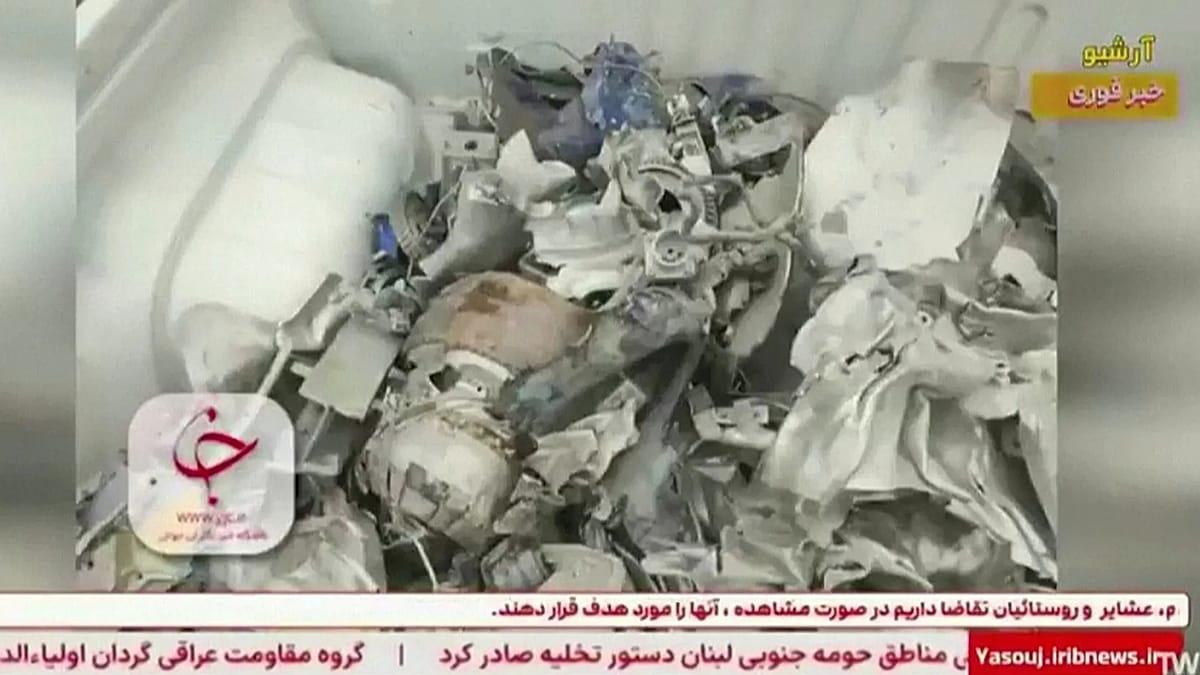
US F-15E Shot Down Inside Iran; One Crew Rescued, Second Missing
29 sources compared

Trump's Iran War Wounds GOP and Divides MAGA Base Ahead of Midterms
14 sources compared

Iran Retaliates on Energy and Trade as US-Israeli Bombing Devastates Cities
14 sources compared
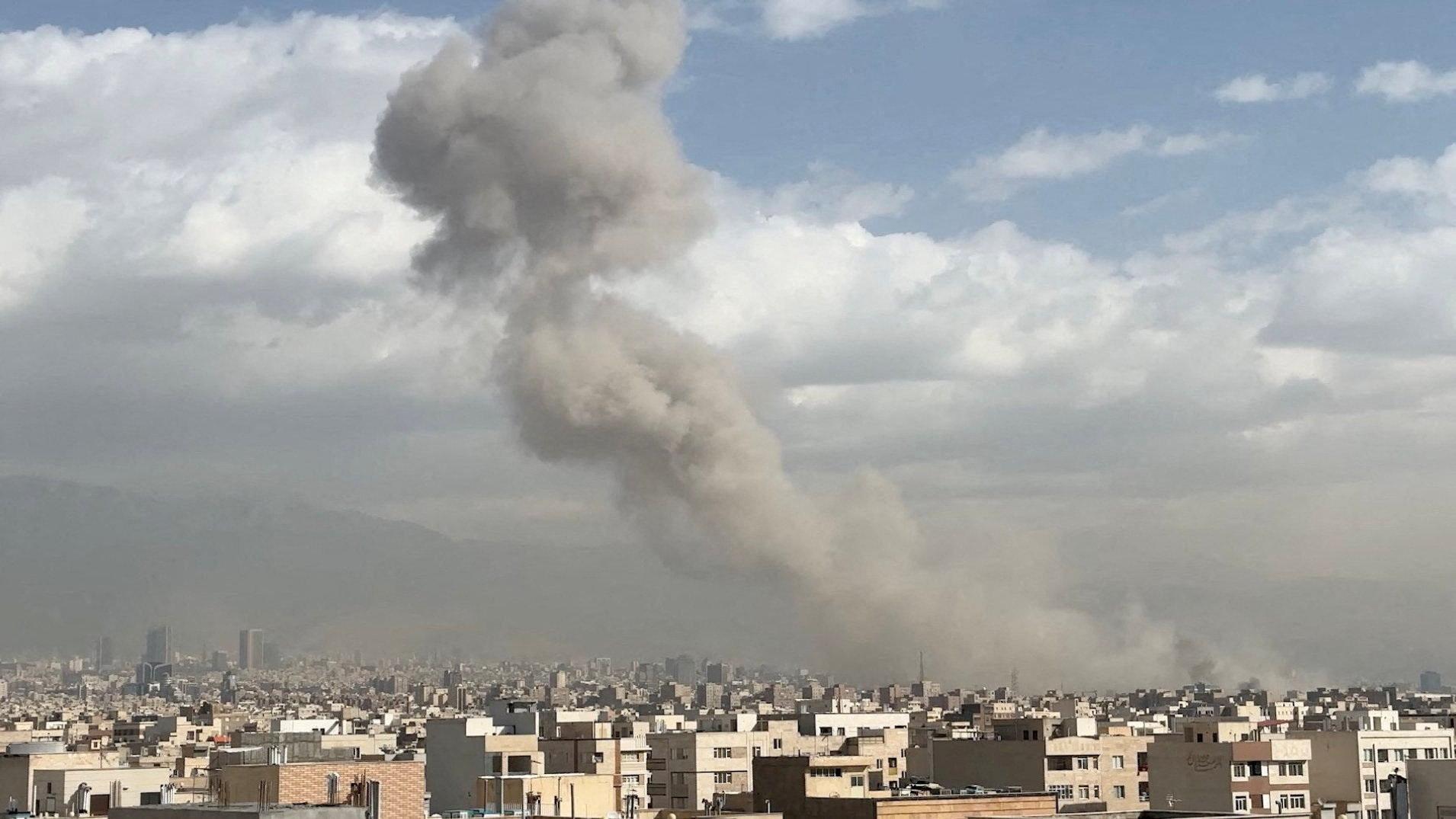
Iran War Divides Diaspora, Spurs Regional Uncertainty at Stanford
10 sources compared