Iran08 April, 20261 min read
Two-Week Ceasefire Between US-Israel and Iran Begins Amid Regional Chaos
Pakistan brokered a two-week US-Iran ceasefire, with Strait of Hormuz shipping allowed. Ceasefire remains fragile; Iran accuses the U.S. and Israel of violations.
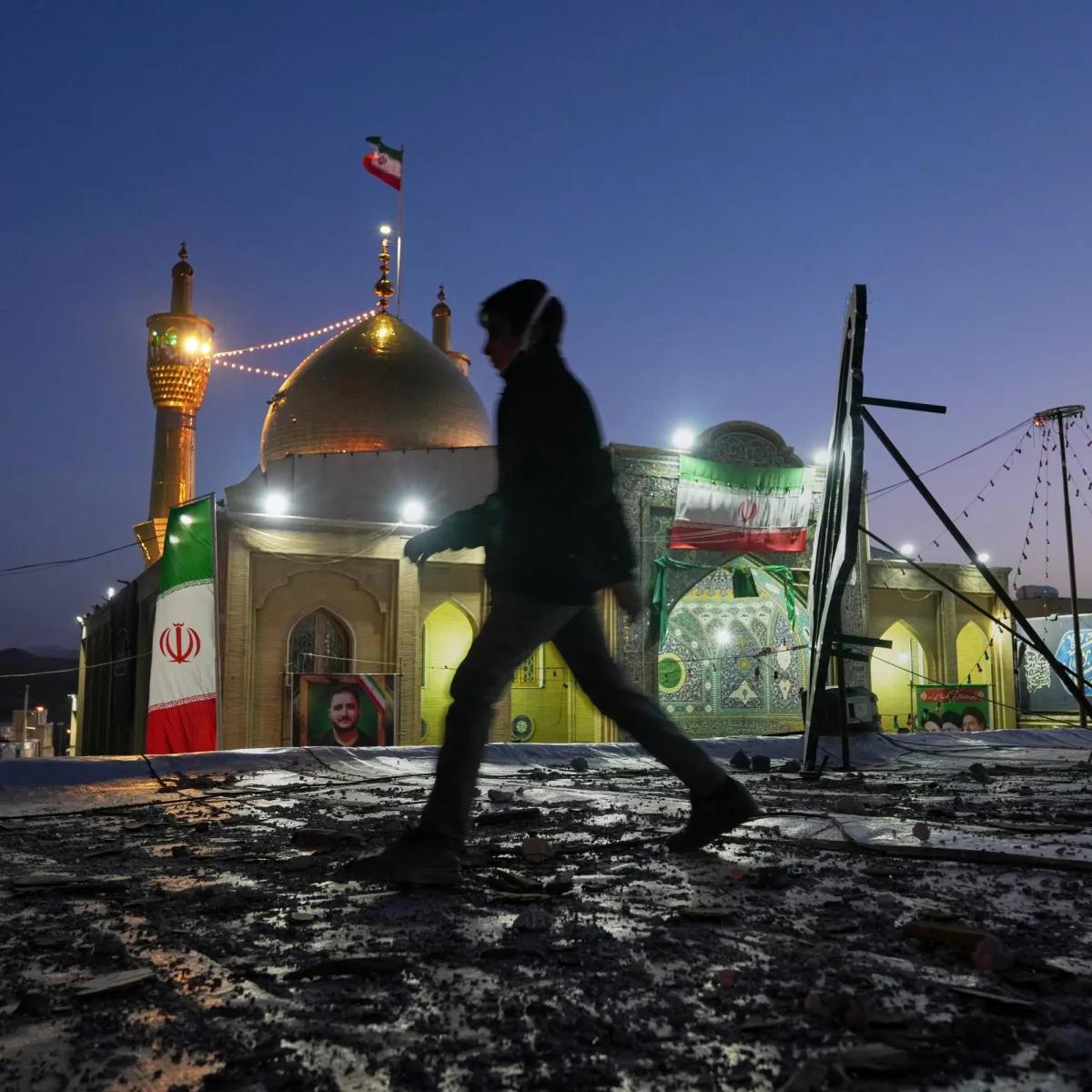
Ceasefire Agreed
A two-week ceasefire came into effect, first declared by Trump and greenlit by Iran. The ceasefire was mediated by Pakistan and followed Iran’s 10-point proposal.
Israel insisted the deal did not cover operations against Hezbollah in Lebanon. Iran responded by closing the Strait of Hormuz again.

Hormuz and Lebanon Confusion
The status of the Strait of Hormuz became a central point of contention. Pakistan and Iran said the ceasefire would extend to Lebanon, while Israel and the White House denied this.
Netanyahu vowed to continue his war against Hezbollah. French President Macron condemned the strikes in Lebanon.
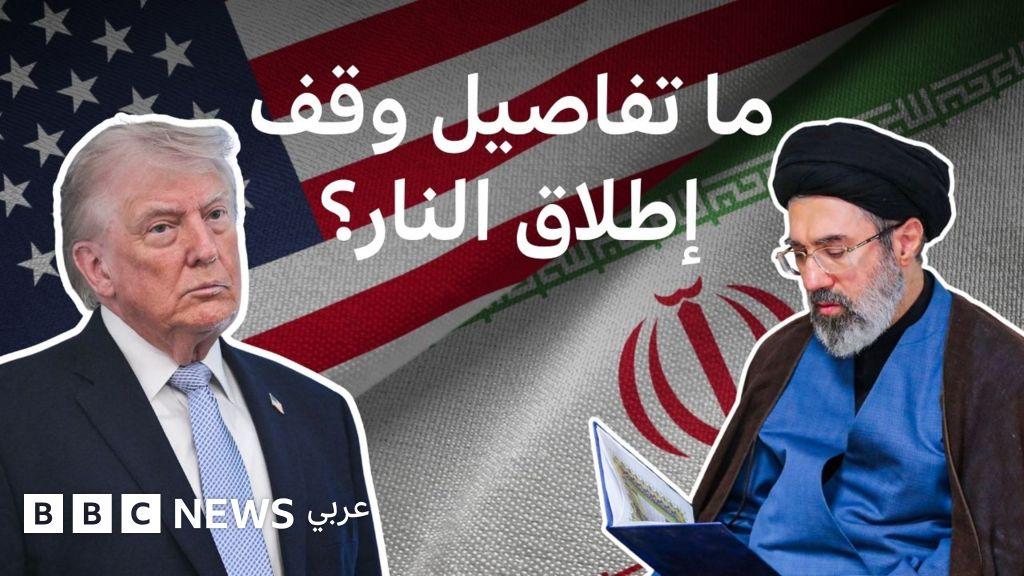
Narrow Exit for Trump
Trump backed out of a corner he built himself after escalating threats. The Atlantic Council described the campaign as a high-risk gamble.
A Pew survey found 60% of American adults had an unfavorable opinion of Israel. Despite the ceasefire, Iran continued retaliatory strikes.