USA09 April, 20261 min read
Two-Week US-Iran Ceasefire Unravels Amid Conflicting Claims and Continued Strikes
A two-week conditional US-Iran ceasefire began, allowing Strait of Hormuz shipping. Iran accuses U.S. of violating parts of the ceasefire framework.
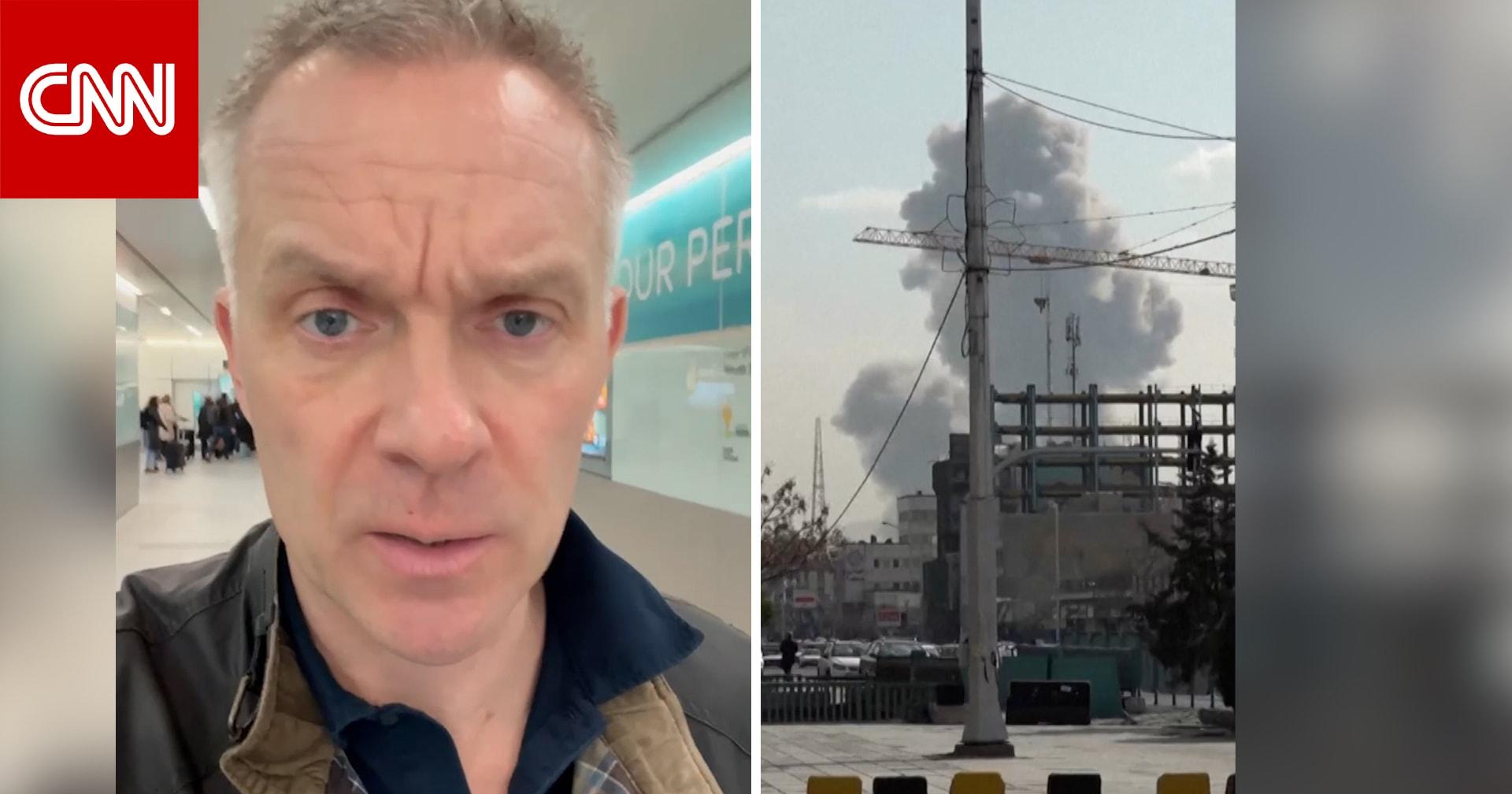
Ceasefire Agreement
The US and Iran agreed to a conditional two-week ceasefire. The deal required Iran to reopen the Strait of Hormuz. Trump framed the ceasefire as a victory.
Iran's Parliament Speaker declared the ceasefire unreasonable. Israel continued strikes in Lebanon, not covered by the deal.

Strait of Hormuz Uncertainty
The Strait of Hormuz remained a flashpoint during the ceasefire. BBC reported the deal required Iran to reopen the strait. Iranian state media said shipping traffic was halted again.
The economic impact was immediate. Oil prices rose again after initially dropping.
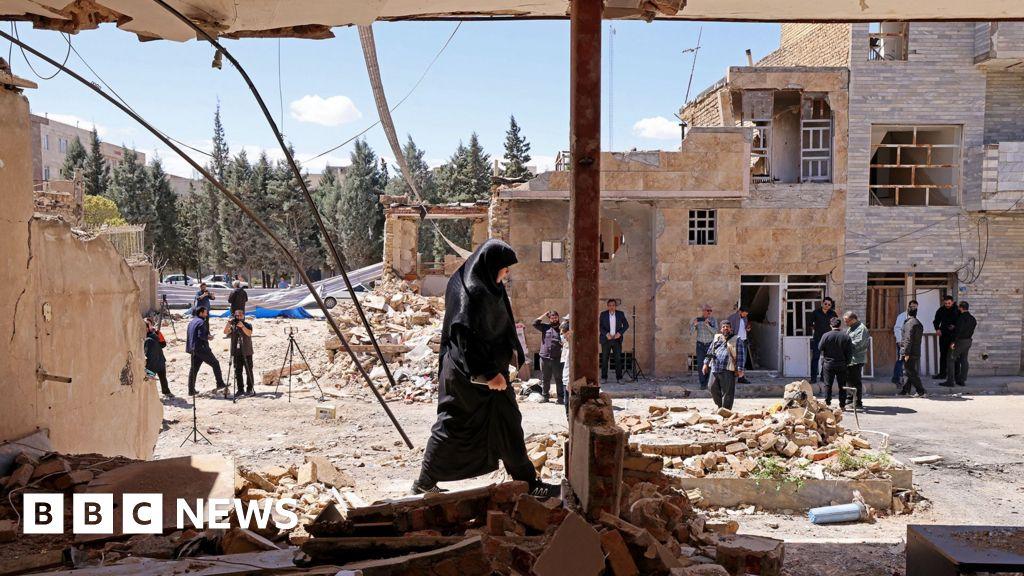
Continued Fighting and Regional Chaos
Fighting continued despite the ceasefire. Lebanese authorities reported at least 182 killed in Israeli strikes. The Trump administration said the ceasefire does not include Hezbollah operations.
Persian Gulf states responded to retaliatory Iranian attacks. Pakistan sealed off parts of Islamabad ahead of peace talks.