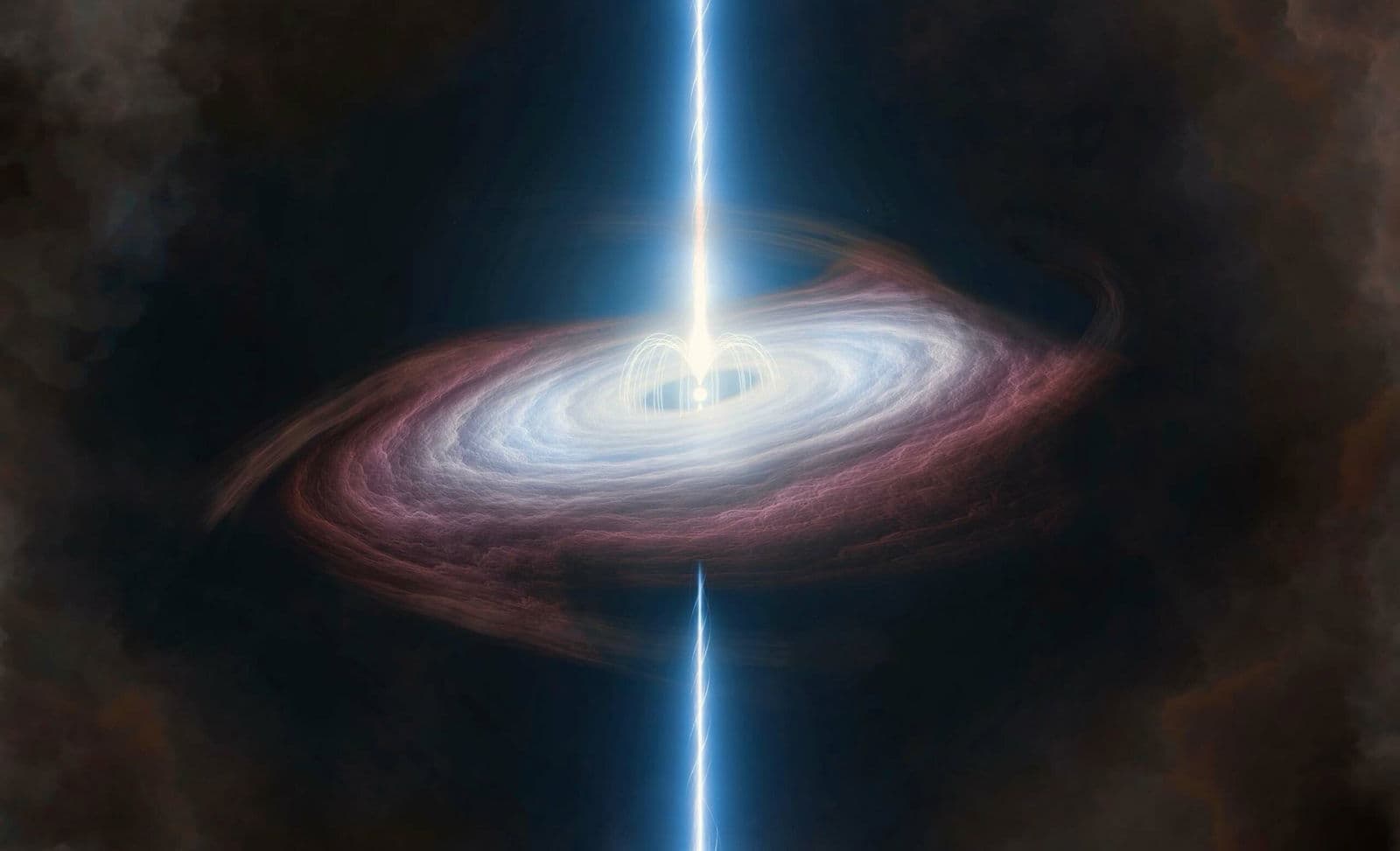
UC Berkeley Astronomers Show Magnetars Power Superluminous Supernovae
Key Takeaways
- Magnetars power superluminous supernovae.
- These supernovae shine far brighter and remain luminous much longer than typical supernovae.
- A new study resolves the decade-long mystery behind their extraordinary brightness.
The supernova mystery
Superluminous supernovae are an unusual and long-standing puzzle in astrophysics: for more than a decade they have stood out as some of the brightest stellar explosions observed, shining up to 100 times brighter than typical supernovae and remaining luminous far longer than expected.
“One of the most extreme explosions in the universe are Type I superluminous supernovae”
Researchers including Joseph Farah characterise Type I superluminous supernovae as among the Universe’s most extreme explosions, a class whose sheer brilliance has long intrigued astronomers worldwide and motivated targeted searches and theoretical work to explain their extraordinary light.
Observational campaigns using global telescope networks have tracked these events for many months to capture the unusual light-curve behaviour that distinguishes them from ordinary supernovae.
Magnetars implicated
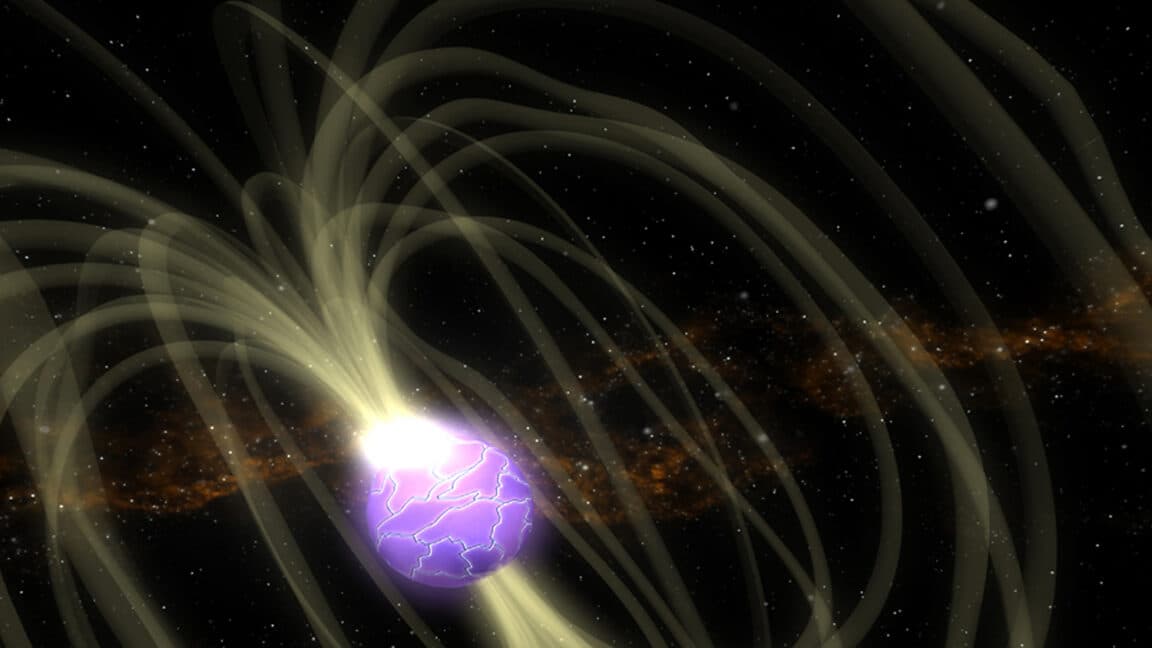
A new UC Berkeley-led study published this week (reported in Nature) links these superluminous events to magnetars — ultra-dense, rapidly spinning neutron stars with extraordinarily strong magnetic fields.
The team, led by Joseph Farah in Dan Kasen’s group at UC Berkeley, analysed the 2024 supernova SN 2024afav and present evidence that a newborn magnetar embedded within the exploding star can supply the extra energy needed to produce superluminous light.

Multiple outlets summarise the conclusion similarly: Farah and colleagues find that magnetar engines are the most likely explanation for at least some Type I superluminous supernovae.
Chirps and bumps observed
The Berkeley team identified a distinctive oscillatory signature in SN 2024afav’s light curve — a sequence of rhythmic pulses or 'chirps' — that departs from the smooth rise-and-fall expected in a simple magnetar model and instead shows multiple bumps.
“For more than a decade, some of the brightest stellar explosions ever observed have defied explanation”
Observers recorded four oscillating bumps in the decay, and Farah’s analysis argues that the timing and pattern of those bumps match a relativistic precession effect.
The presence of bumps, wiggles and modulations in superluminous light curves has been noted previously, but this dataset and model tie those features specifically to a magnetar-driven mechanism and relativistic physics.
Model: wobble and energy transfer
Farah’s physical model links the chirp to a misaligned accretion disk surrounding the newborn neutron star: an asymmetrical disk that does not align with the magnetar’s spin axis is dragged into a wobble as the magnetar rotates, producing a strobing effect from our vantage point.
The analysis also yields parameter estimates — including spin period and magnetic field strength — that the team says make a magnetar origin 'very likely', and it ties the energy-injection mechanics to previously proposed magnetar models in which rapid rotation and strong magnetic fields transfer rotational energy into the ejecta.
Significance and outlook
Team members and commentators frame the result as a significant step toward confirming long-standing magnetar theories while emphasising that it may not be the only pathway to superluminous explosions.
“Unveiling the Mystery Behind Superluminous Supernovas Superluminous supernovas, or ultra-bright cosmic explosions, have puzzled scientists for years”
UC Berkeley researchers invoke earlier theoretical work by Dan Kasen and collaborators as the basis for the magnetar explanation, and the authors note alternative possibilities — such as a collapsing core that forms a black hole with a misaligned disk — could produce similar observational effects.
The group is optimistic about discovering more examples with upcoming survey data, including from the Vera C. Rubin Observatory, which they say should help test how common these magnetar-driven 'chirping' events are.
More on Technology and Science

Google Grants U.S. Department of Defense Unrestricted Access to Its Classified AI After Anthropic Refusal
13 sources compared

Institute of Cancer Research And Imperial College London Find Obesity Clue Behind Rising 11 Cancers In England
15 sources compared

Lovable Launches Vibe-Coding Mobile App on iOS and Android, Extending Its No-Code AI Builder
12 sources compared

Apple Introduces Monthly App Store Subscriptions With 12-Month Commitment
10 sources compared