
UK Economy Flatlines In January Ahead Of US-Israeli War With Iran
Key Takeaways
- Monthly GDP recorded zero growth in January, unexpectedly.
- January's outcome was weaker than forecasts, after 0.1% growth in December.
- Office for National Statistics described the overall picture as 'subdued' and analysts called it disappointing.
Headline GDP numbers
UK GDP showed very weak growth in January and the surrounding quarter, with production slipping and construction making a small gain.
“- Published The UK economy unexpectedly failed to grow in January, ahead of the outbreak of the US-Israeli war with Iran”
The BBC reported that "Meanwhile production fell by 0.1%, and the construction sector grew by 0.2%."
The BBC also said that "In the three months to January, a less volatile measure in comparison to the monthly numbers, GDP grew by 0.2% - up from 0.1% in the three months to December."
The available local source text from the Belfast Telegraph is primarily a site cookie notice and does not add economic figures but is included among the provided sources.
Forecast downgrades
Official forecasters and economists downgraded growth expectations, with the Office for Budget Responsibility trimming its projection for the year and private-sector economists warning growth may be elusive.
The BBC said "In the Spring Statement in March, the Office for Budget Responsibility (OBR) - the government's official forecaster - cut its prediction for how much the UK's economy would grow this year to 1.1% from 1.4%."
The BBC also quoted Yael Selfin of KPMG UK: "Yael Selfin, chief economist at KPMG UK, said growth was 'likely to remain elusive'."
The Belfast Telegraph content provided does not discuss forecasts beyond its site notices but is included among the supplied sources.
Costs and monetary policy
Rising costs and geopolitical developments have shifted monetary expectations: higher energy prices and increased government borrowing costs are weighing on the outlook, and what the BBC calls the "Iran conflict" has already altered market expectations about Bank of England action.
“- Published The UK economy unexpectedly failed to grow in January, ahead of the outbreak of the US-Israeli war with Iran”
The BBC reported that activity was expected to "weaken further amid sharply rising energy prices" and that "government borrowing costs have risen in recent weeks."
It added that "Before the Iran conflict, analysts had said the Bank of England could cut interest rates as soon as March, but they now widely expect a hold when it meets next week."
The Belfast Telegraph material supplied is a site privacy notice and does not comment on these economic dynamics but is listed among the provided sources.
Business outlook
Higher-for-longer interest rate expectations and rising costs are likely to act as a headwind for businesses, prompting scaled-back investment plans, according to the BBC coverage.
The BBC said "Keeping interest rates higher for longer will be a 'headwind' for businesses" and warned that "expectations for weaker growth plus rising costs meaning firms are likely to scale back investment plans."
The Belfast Telegraph source provided is a cookie and privacy notice and does not offer additional economic commentary but is included among the provided sources.
More on Britain

DoJ Releases Photos of Former Prince Andrew, Peter Mandelson in Bathrobes With Jeffrey Epstein
13 sources compared
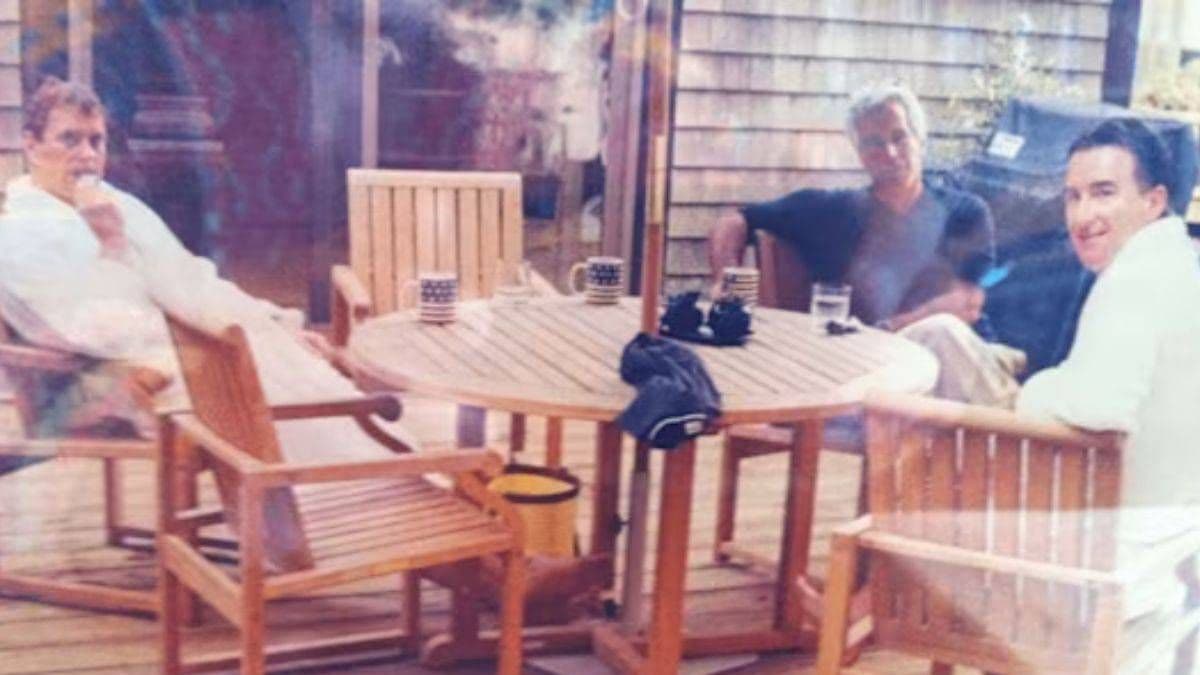
DOJ Releases First Known Photo Showing Andrew Mountbatten-Windsor and Peter Mandelson With Jeffrey Epstein
17 sources compared
Jonathan Powell Warned Prime Minister Keir Starmer About Mandelson’s Ties To Jeffrey Epstein, Documents Show
16 sources compared

Prime Minister Keir Starmer Ignored Warnings and Appointed Epstein Pal Peter Mandelson as U.S. Ambassador
50 sources compared