
UK Health Security Agency reports Kent meningitis outbreak climbs to 27 cases, two deaths.
Key Takeaways
- Two people have died in the Kent meningitis outbreak.
- Kent outbreak totals 27 cases, with 15 lab-confirmed.
- Preventive antibiotics widely administered to exposed students.
Outbreak Overview
The UK Health Security Agency (UKHSA) has confirmed a rapidly escalating meningitis outbreak in Kent that has reached 27 cases as of March 18, 2026.
This includes 15 laboratory-confirmed infections and 12 additional probable cases, with two fatalities reported.

The outbreak has claimed the lives of an 18-year-old schoolgirl and a 21-year-old University of Kent student.
UKHSA classified this as a major public health incident with cases concentrated in the Canterbury area.
Particularly affected are young adults and students at the University of Kent.
The agency emphasized that while transmission typically requires close and prolonged contact, the rapid spread represents an unusual epidemiological pattern.
Health Response Measures
Health authorities have implemented a comprehensive multi-layered response strategy to contain the outbreak.
UKHSA has distributed preventive antibiotics to close contacts of confirmed cases.

Over 6,500 doses have been administered as of March 19.
Targeting includes University of Kent students, individuals who visited Club Chemistry on March 5-7, and close contacts.
A targeted MenB vaccination program has been launched for 5,000 Canterbury campus students.
Health Secretary Wes Streeting emphasized antibiotics remain the primary control measure.
The vaccination serves to reduce severe illness risk in recipients.
UKHSA stressed the MenB vaccine does not protect against all strains and does not prevent bacterial carriage.
Epidemiological Patterns
Epidemiological investigations reveal the outbreak primarily affects adolescents and young adults.
“Seguiremos compartiendo actualizaciones a medida que dispongamos de más información”
Demographic analysis shows concentration almost exclusively in the 18-21 age group.
Most cases linked to social gatherings, with Club Chemistry nightclub identified as a transmission hotspot.
Patients visited the club March 5-7, days before symptom onset.
Bacteria spreads through respiratory droplets and saliva in settings with intense social mixing.
Experts describe it as a super-spreader event with ongoing transmission in university residence halls.
UKHSA chief executive Susan Hopkins calls it 'unprecedented' in her 35 years of medical experience.
Vulnerability stems from vaccination gaps - MenB vaccine introduced in 2015, leaving many unprotected.
Public Impact
The outbreak has triggered significant public anxiety and healthcare system strain.
Pharmacies report unprecedented demand for meningitis B vaccines.
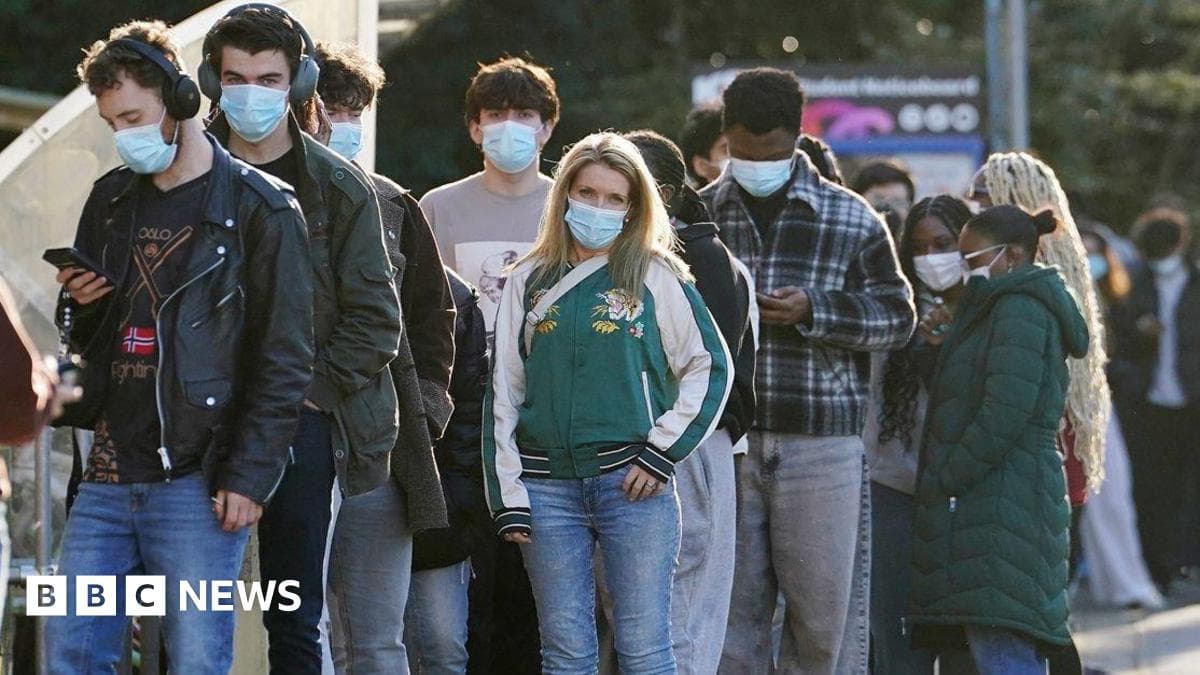
Superdrug sees appointments increase 65-fold compared to previous week.
Boots implements queuing systems, Superdrug establishes waiting lists due to supply shortages.
Health officials emphasize overall risk to wider public remains low.
Transmission requires prolonged close contact, urging vigilance among students.
Situation draws comparisons to pandemic-era responses with students queuing for antibiotics.
A case reported in France involves someone who attended University of Kent.
Officials maintain outbreak remains contained within Kent.
Situation exposes critical gaps in vaccination coverage among teenagers and young adults.
Expert Analysis
Public health experts characterize the Kent outbreak as having significant implications for UK vaccination policy.
“Further tests will investigate how the bacteria grows and behaves in the laboratory”
The rapid spread highlights vulnerability of populations with incomplete vaccination coverage.
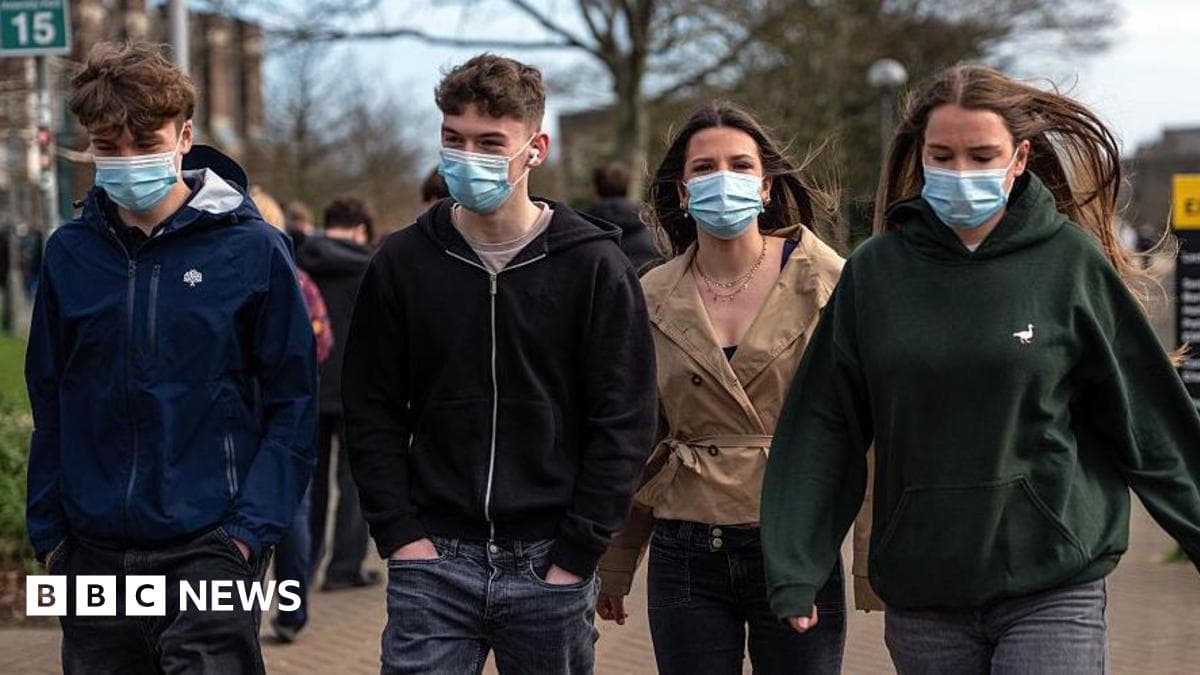
The incident reignites debate around vaccination accessibility and broader immunization coverage.
Could lead to expanded MenB vaccination programs and targeted awareness campaigns.
Medical professionals emphasize early recognition of symptoms remains critical for saving lives.
Warning signs include high fever, severe headache, neck stiffness, sensitivity to light, vomiting, confusion.
A characteristic rash that does not fade under pressure is also a key indicator.
Health Secretary Wes Streeting describes outbreak as 'unprecedented in its spread'.
Normal year Britain records around 350 cases, suggesting unusually concentrated cluster.
More on Technology and Science

Honolulu Department of Emergency Management Orders Waialua, Haleiwa Evacuations Over Catastrophic Flooding
32 sources compared

Trump Unveils National AI Policy Framework to Preempt State Laws
20 sources compared

Social media damages youth well-being, World Happiness Report 2026 finds
34 sources compared

Meta Pays Creators Up to $3,000 to Post on Facebook, Launching Creator Fast Track.
25 sources compared