
UK Media Peddles Systemic Anti-Muslim Bias Across 40,000 Articles, Study Finds
Key Takeaways
- Centre for Media Monitoring analysed about 40,000 articles across 30 UK news outlets
- Study found widespread, systemic anti-Muslim bias in UK media coverage
- Centre for Media Monitoring named major outlets for the most severe, persistent harmful coverage
Study: media coverage of Muslims
A new study by the Centre for Media Monitoring (CMM) examined roughly 40,000 British-press articles across 30 outlets.
“London, United Kingdom – As anti-Muslim hate crimes rise in Britain, so too does biased coverage of Muslims in the media, a new study suggests”
It found pervasive negative coverage of Muslims and linked that coverage to a rise in anti-Muslim hate crimes.

The study reported that 70% of the sampled pieces associated Muslims or Islam with negative aspects or behaviours.
It said approximately 20,000 articles showed a "high degree of bias."
CMM described the work as the largest study of its kind in the UK and presented the findings as evidence of "structural" and "systemic" media bias shaping public attitudes and everyday life.
CMM media bias rankings
The CMM report singled out specific outlets and ranked them by bias metrics.
The Spectator and GB News were identified as the worst across five bias categories, while other problematic outlets included The Telegraph, Jewish Chronicle, Daily Express, The Sun, Daily Mail and The Times.
By contrast, the study named organisations it judged least biased — ITV, Metro, BBC, PA, The Guardian, AP, London Evening Standard and Sky — indicating a clear differentiation in editorial behaviour across the British media landscape.
Media-linked anti-Muslim incidents
CMM’s findings were contextualised alongside a measurable rise in anti-Muslim incidents.
“London, United Kingdom – As anti-Muslim hate crimes rise in Britain, so too does biased coverage of Muslims in the media, a new study suggests”
Recorded religious hate crimes against Muslims rose 19% in the year to March 2025.
The report links spikes in incidents to specific media-amplified moments, such as the 2024 Southport stabbing being falsely blamed on a “Muslim migrant.”
It warns that right-wing outlets have amplified false or misleading claims (including a US president’s comment about “Sharia law” in London) as part of a broader pattern of harmful framing.
Media framing of Muslims
The report’s authors characterise the problem as structural rather than incidental.
Repeated negative framing, selective sourcing and the amplification of misleading claims create and reinforce a public perception of Muslims as a threat.
CMM framed this as influencing everyday life and public attitudes, while also highlighting that not all major outlets behaved the same way, presenting public-service outlets such as the BBC as an example where scale and formal obligations correlated with lower levels of harmful framing.
Media study and debate
The study’s scale and the public-health style framing of its conclusions, linking media patterns to real-world hate crime trends, led CMM to call for attention to 'structural' and 'systemic' bias in British media.
“London, United Kingdom – As anti-Muslim hate crimes rise in Britain, so too does biased coverage of Muslims in the media, a new study suggests”
The accompanying public-facing coverage emphasises the availability of the full report for scrutiny, suggesting the authors expect the findings to inform debate about editorial standards, regulatory responses and the role of large outlets in preventing the amplification of harmful, misleading narratives.
More on Britain

DoJ Releases Photos of Former Prince Andrew, Peter Mandelson in Bathrobes With Jeffrey Epstein
13 sources compared
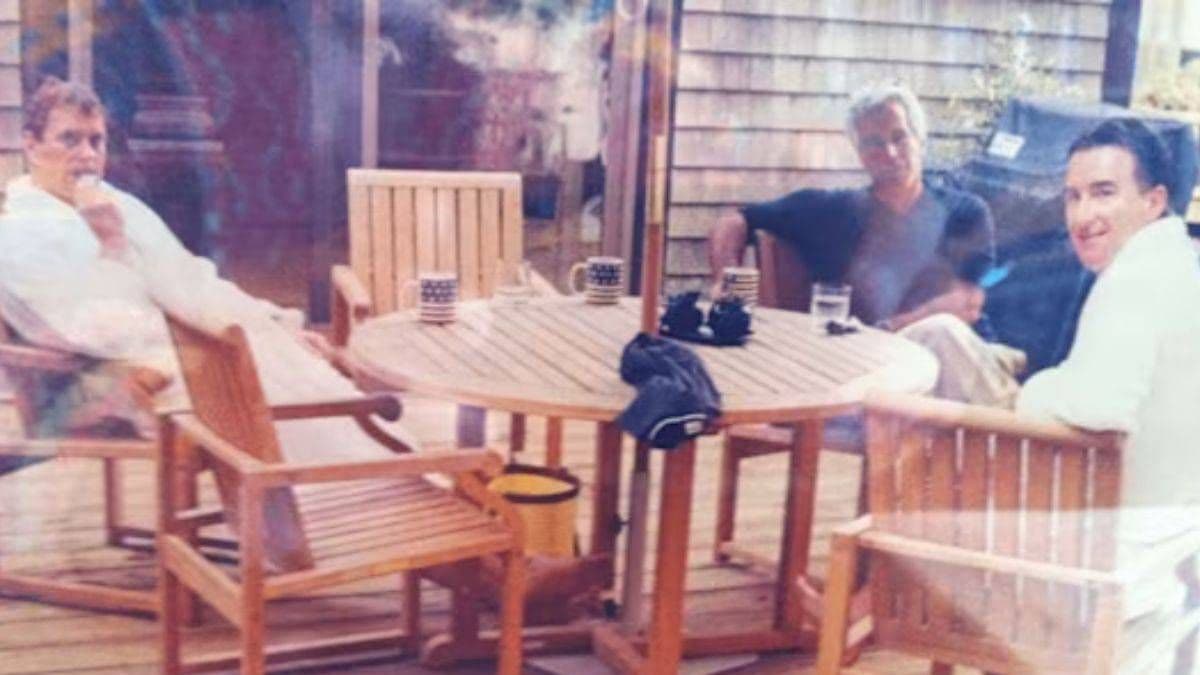
DOJ Releases First Known Photo Showing Andrew Mountbatten-Windsor and Peter Mandelson With Jeffrey Epstein
17 sources compared
Jonathan Powell Warned Prime Minister Keir Starmer About Mandelson’s Ties To Jeffrey Epstein, Documents Show
16 sources compared

Prime Minister Keir Starmer Ignored Warnings and Appointed Epstein Pal Peter Mandelson as U.S. Ambassador
50 sources compared