Technology and Science21 April, 20267 min read
UK Passes Tobacco And Vapes Bill Banning Cigarette Purchases For Those Born After 2008
People born on or after January 1, 2009 will never be allowed to buy tobacco. Parliament approved the Tobacco and Vapes Bill, setting a lifelong ban for the designated cohort.
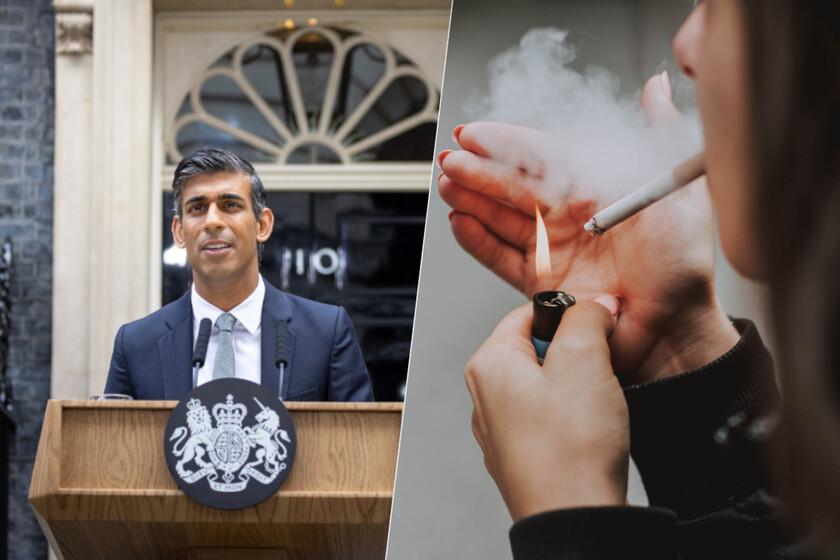
A generational ban clears
The United Kingdom has moved to ban smoking for everyone born after 2008 as the Tobacco and Vapes Bill cleared its final parliamentary hurdle and received approval in the House of Lords, setting up royal assent by King Charles III.
DW reported that children who do not reach 18 before January 1, 2027 will “never be permitted to buy cigarettes or tobacco products in the UK,” once the law gets royal assent.
The bill cleared the last minor amendments when “the House of Lords signed off on the last minor amendments” to a measure “in the pipeline since 2024.”
The rules will apply across all four constituent countries—England, Scotland, Wales and Northern Ireland—according to DW, which said the provisions were developed “in conjunction with the devolved parliaments in Belfast, Cardiff and Edinburgh.”
AP reported that children born after Dec. 31, 2008 “will be banned from ever buying cigarettes under the Tobacco and Vapes Bill,” and that the legislation would need King Charles III’s approval “before taking effect.”
In the House of Lords, Baroness Gillian Merron of the ruling Labour Party said, “It is a landmark Bill, my lords, it will create a smoke-free generation.”
Opposition voices in the Lords focused on retailer penalties, with Baron Naseby saying, “It does upset a great many people in that industry.”
How the rules phase in
The bill’s core mechanism is a year-by-year increase in the legal age for buying cigarettes, cigars or tobacco, which DW said will start on January 1, 2027 and rise “by one year in every subsequent year.” DW described the effect as “effectively mean[ing] that people born on or after January 1, 2009 will never be eligible to buy them,” tying the generational cutoff to the annual age ladder. AP similarly said the minimum age to buy cigarettes rises each year, leaving “most youths” facing a ban “their entire life.”
Alongside the generational tobacco restriction, the bill expands smoke-free rules outdoors, with DW saying it will “expand the UK's indoor smoking ban to a series of outdoor public spaces, for instance in children's playgrounds, outside schools and hospitals.” DW also said “Most indoor spaces that are designated smoke-free will become vape-free as well,” while smoking in designated areas outside pubs and bars “will remain permissible.” The bill also targets vaping in specific settings, with DW reporting that “Vaping will become illegal in cars if someone under the age of 18 is inside, to match existing rules on smoking.”

AP and CBC both described the bill as giving the government powers to regulate tobacco, vaping and nicotine products, including “flavors and packaging,” with AP saying the legislation “will also allow the government to regulate tobacco, vaping and nicotine products, including flavors and packaging.” CBC added that the law would tighten controls on vaping by banning sales of vaping and nicotine products to under-18s and restricting advertising, displays, free distribution and discounting.
Debate, dissent, and quotes
The bill’s passage through Parliament triggered direct arguments from both supporters and opponents, with multiple named figures using sharply different frames. In the House of Lords, Baroness Gillian Merron said, “It is, in fact, the biggest public health intervention in a generation and I can assure all noble Lords that it will save lives,” and she described the measure as “the end of this bill’s journey throughout parliament” in The Independent’s account of her remarks. Michael Morris, also identified as Baron Naseby, argued that the government had not listened to retailers, saying, “It does upset a great many people in that industry, that the government has not listened to the strong representations from the retailers.”
“‘This afternoon marks the end of this bill’s journey throughout parliament.”
He also criticized the plan for “planned standard fines of 200 pounds” for retailers found to have breached age restrictions or sold to proxy buyers, and he said, “What we really need is a proper understanding of how we educate people not to take up smoking.” AP quoted Hazel Cheeseman, chief executive of Action on Smoking and Health, saying, “The end of smoking, and the devastating harm it causes, is no longer uncertain — it’s inevitable,” after the legislation was approved. Health Secretary Wes Streeting, according to AP and CBC, said, “Children in the U.K. will be part of the first smoke-free generation, protected from a lifetime of addiction and harm,” and CBC added his line, “Prevention is better than cure — this reform will save lives, ease pressure on the NHS, and build a healthier Britain.”
In the Lords, Merron responded to Naseby in BBC’s account, saying, “I can overall assure Lord Naseby… about how closely we have worked with retailers, and we will continue to do so.” Outside Parliament, Sarah Sleet of Asthma + Lung UK urged the government to provide cessation support, telling the BBC, “Right now we have a postcode lottery, which is why the tobacco industry should pay through a levy to reduce the harm they cause by funding these crucial services across the UK.”
Different outlets, different emphasis
While the underlying policy is consistent across outlets, the reporting highlights different aspects of the same bill, from parliamentary process to health impacts and enforcement.
DW foregrounded the legislative mechanics, saying the bill “cleared its final parliamentary hurdle on Monday” and that it “gets royal assent from King Charles III,” while also listing provisions such as outdoor smoke-free expansion and vape-free indoor spaces.

AP and PBS emphasized the generational framing and the campaign context, quoting Hazel Cheeseman and describing the bill as putting cigarettes “out of reach for future generations,” with AP stating it was “approved Tuesday.”
CBC and BBC focused on what happens to young people and where vaping will be banned, with BBC saying “Vaping will be banned in cars carrying children, in playgrounds and outside schools and at hospitals,” and CBC adding that the law would “also tightens controls on vaping” including sales bans to under-18s.
The Independent and The Times centered the House of Lords remarks and the “landmark” language, with The Times reporting that Baroness Merron told the Lords the bill would “create a smoke-free generation,” and The Independent quoting Merron’s “It is a landmark bill; it will create a smoke-free generation.”
Al Jazeera framed the bill as part of a years-long effort by ministers to create a “smoke-free generation,” and it described the bill’s introduction in 2024 by Wes Streeting in the House of Commons, saying it “introduced the Tobacco and Vapes Bill in the House of Commons in 2024.”
Al Jazeera also highlighted the earlier attempt under Rishi Sunak’s Conservative government, saying the plan was “put aside before the 2024 general election, and later revived by the Labour government.”
Even where outlets agree on the ban’s target date, they phrase the cutoff differently: DW tied it to “January 1, 2009,” while AP and BBC used “Dec. 31, 2008” and “1 January 2009” respectively.
What comes next
The bill’s next step is royal assent, described across outlets as a formality, after which ministers gain powers to regulate tobacco, vaping and nicotine products and to enforce the generational ban. DW said the law would take effect once it “gets royal assent from King Charles III,” and it described the government as empowered to impose “a new registration system for smoking and vaping products entering the country, seeking to improve oversight.” AP and BBC both said the legislation needs approval by King Charles III, with AP calling it “a formality,” and BBC describing the bill as clearing Parliament and awaiting royal assent next week.
Enforcement is a central part of the “what comes next” story: DW said “Retailers will face financial penalties for selling the products to those not entitled to them,” and it cited “planned standard fines of 200 pounds” in the Lords debate. The Times added that the measures include banning vaping in cars carrying children and in playgrounds, outside schools and at hospitals, while also stating that “Vaping would still be permitted outside hospitals to help those trying to quit.” Al Jazeera said the bill would become law when it receives royal assent “next week,” and it described ministers gaining powers to regulate “flavours and packaging” and to ban nicotine products from being “branded and advertised to children.”

The health rationale for the policy is also tied to future consequences, with AP reporting that authorities say smoking causes “some 80,000 deaths a year in the U.K.” and remains “the number one preventable cause of death, disability and poor health.” CBC and BBC framed the bill as easing long-term pressure on the NHS, with CBC quoting Streeting’s “ease pressure on the NHS,” and BBC quoting Sarah Sleet’s call for cessation support and a “postcode lottery” argument.