Ukraine’s Robert Brovdi Warns Long-Range Drones Turn Russia’s Peaceful Rear Into Battlefield
Key Takeaways
- Ukrainian drones struck the Kirishi oil refinery in Leningrad Oblast.
- Deep-strike campaign intensified, targeting Russia’s oil export facilities across the country.
- Dnipro casualties reported by multiple outlets, indicating significant toll.
Deep strikes and a new rear
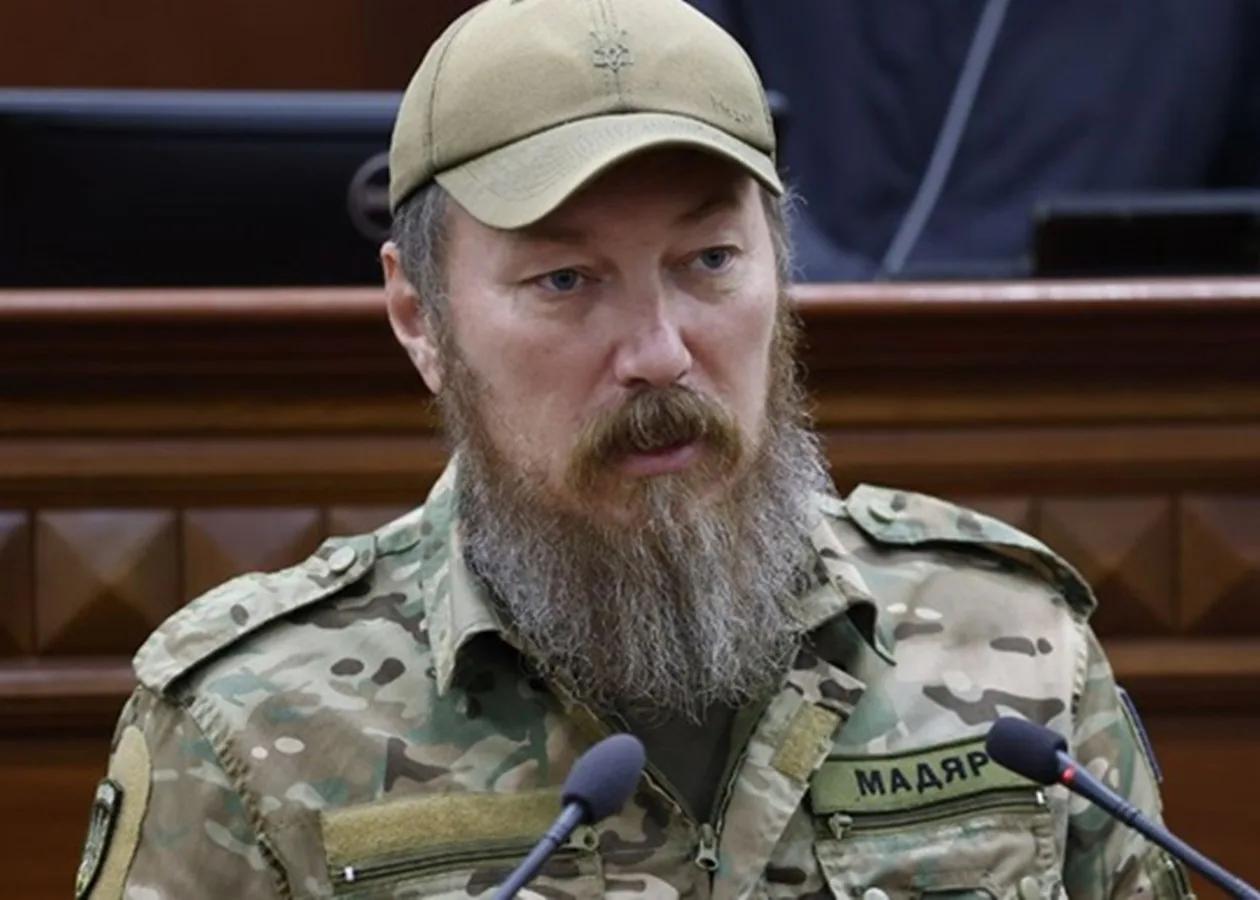
Ukraine’s commander of all Ukraine’s unmanned systems, Robert Brovdi, says long-range drone attacks are turning Russia’s “peaceful rear” into a battlefield, warning that “1,500 to 2,000km (930-1,240 miles) inside Russian territory is no longer the 'peaceful rear'.”
In a BBC interview, Brovdi frames the strategy as direct pressure on Russian territory: “We're like a red rag to the enemy. Because we're taking the war to their territory so that they feel it too.”

The BBC describes Ukraine intensifying “deep strikes like this for several weeks,” targeting oil export facilities “like never before,” and says the commander’s unit is assembling long-range drones for launch at Russia.
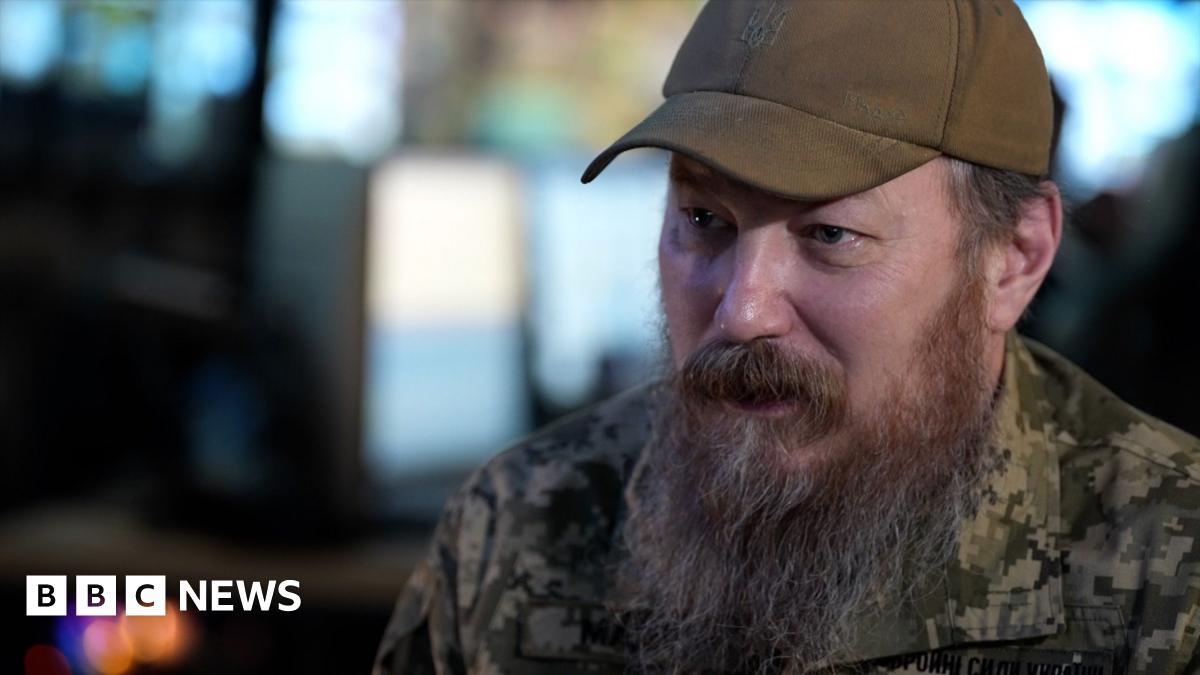
Brovdi’s Unmanned Systems Forces, the BBC reports, make up “just 2% of Ukraine's military” but “these days he says they account for a third of all targets destroyed.”
The BBC also quotes Brovdi’s justification for striking energy infrastructure, saying: “Putin extracts natural resources and converts them into blood dollars that they then direct against us in the form of Shahed drones and ballistic missiles.”
In the same interview, President Volodymyr Zelensky is quoted calling such deep strikes “very painful” to Moscow, and the BBC says the attacks cause “critical” losses running to “tens of billions of dollars” in Russia’s energy sector despite a surge in global oil prices.
Escalation, range, and targets
The BBC’s account ties the shift to both technology and focus, saying “the increase in such attacks is partly down to technology” and that “Locally produced drones are becoming cheaper and flying further.”
It describes a model that “can now travel more than 1,000km,” while “others already go twice as far,” and it links the targeting emphasis to Russia’s energy exports being “identified as a priority target.”
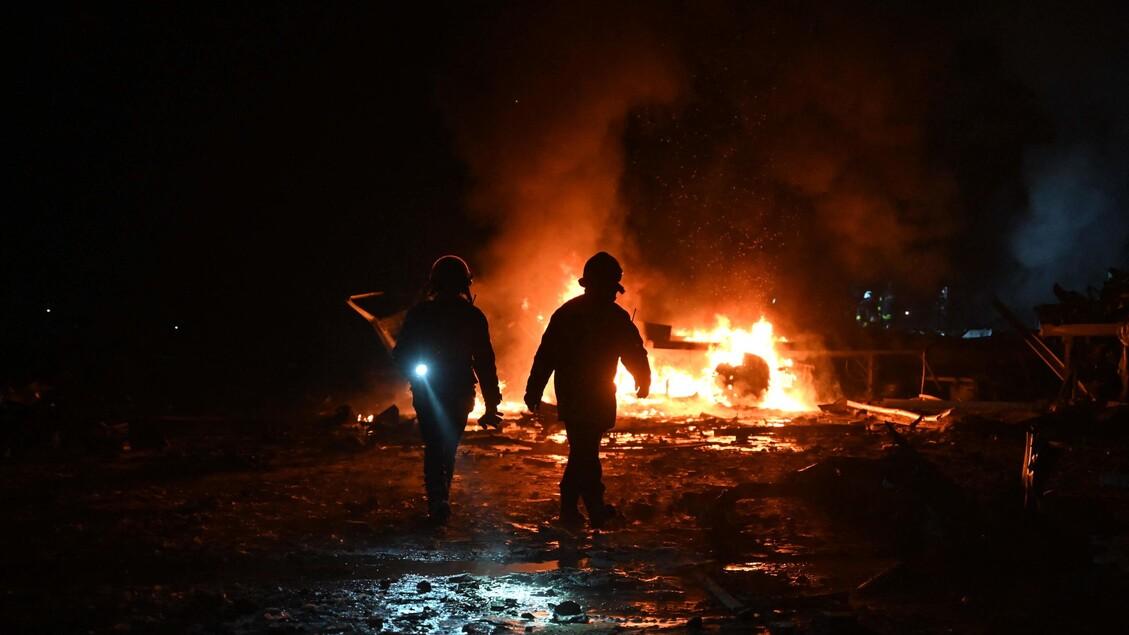
Startmag’s Italian report, citing The Economist, says Ukraine’s coordinated drone attacks on Russian refineries and fuel distribution infrastructure “sono iniziati ad agosto,” and that the pace has risen from “due o tre alla settimana” to “quattro o cinque,” with “Presto saranno quotidiani.”
That same report says that in the “ultima settimana circa” Ukraine “ha gravemente danneggiato un grande terminal di esportazione di petrolio a Novorossiysk sul Mar Nero,” a refinery complex in Bashkortostan “a oltre 1.300 km dall’Ucraina,” and a pumping station in Chuvashia “a 1.000 km di distanza.”
The Startmag piece also reports a specific date and dispute: “Il 1° ottobre è stata colpita un’importante raffineria a Yaroslavl,” while “i russi sostengono che si sia trattato di un incidente “tecnico” e non di un attacco con droni.”
It adds that Reuters reported “circa il 17% della capacità di raffinazione del petrolio della Russia” was “almeno temporaneamente messa fuori uso,” and that the figure “ora è sicuramente più alta,” with “fino al 40%” suggested in “alcune notizie non confermate.”
Voices: commanders, ministers, strategists
Multiple voices in the sources portray the deep-strike campaign as both a military and psychological effort, with Brovdi describing the operational logic and others emphasizing consequences.
In the BBC interview, Brovdi argues that energy targets are legitimate because they fund war, saying: “If oil refineries are a tool to make money that's used for war, then they are a legitimate military target, subject to destruction.”
He also challenges Russian claims about the feasibility of Ukraine’s aims, telling the BBC: “What is he smoking? That's not realistic. It's absurd.”
The BBC quotes Zelensky describing the effect on Russia’s economy, saying such strikes are “very painful” and cause “critical” losses running to “tens of billions of dollars” in its energy sector.
Startmag’s report adds a strategic assessment from Sir Lawrence Freedman, quoting: “Gli ucraini sono inarrestabili,” and “I russi hanno un problema. Non possono fermare tutto questo e gli ucraini non hanno motivo di rallentare”.
It also attributes a broader campaign framing to Ukraine’s commander in chief, Oleksandr Syrsky, who is quoted as saying the “DeepStrike” campaign hit “85 obiettivi “di alto valore” in meno di due mesi” and that “lo possiamo vedere sul campo di battaglia”.
Coverage divergence: what happened where
While the BBC focuses on the commander’s claims about drone warfare and the operational system behind it, other outlets emphasize specific attacks and the immediate effects on infrastructure and airspace.
The RaiNews report says the Ukrainian army struck the Kirishi oil refinery, “uno of the largest Russian refineries,” in Leningrad Oblast “with drones overnight,” and it says the operation was carried out by “the Ukrainian Special Forces (SOF), in collaboration with unmanned systems forces,” citing a SOF statement published on Telegram.
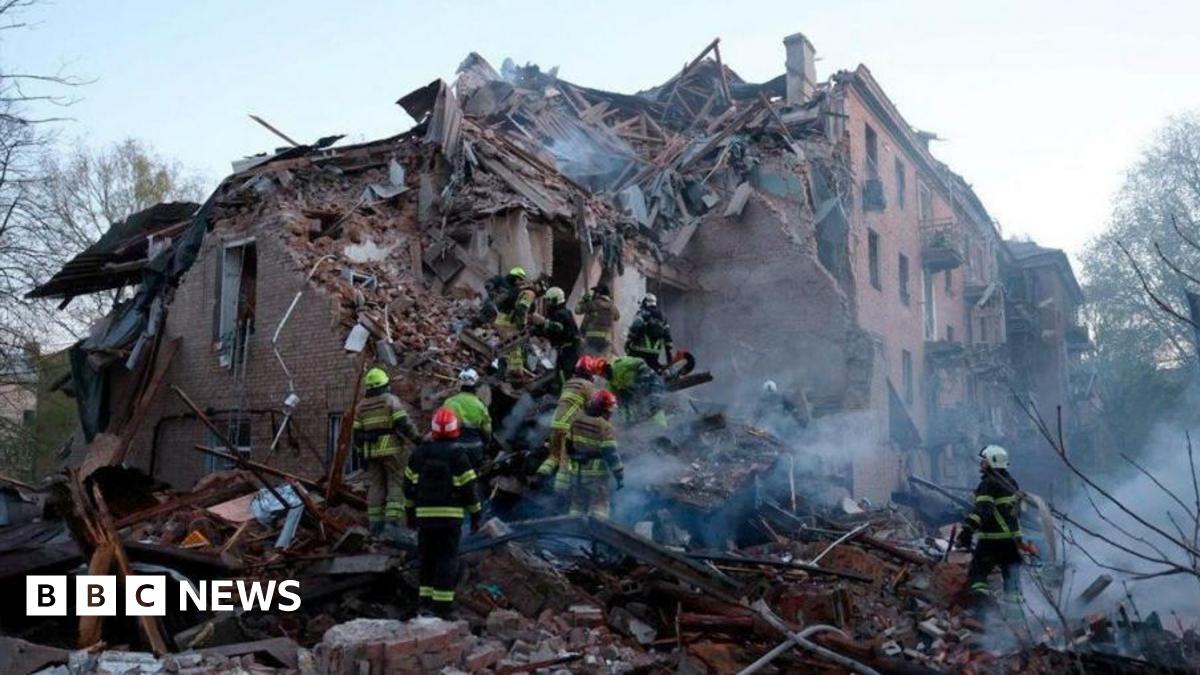
RaiNews adds that the refinery is “located more than 800 km from the Ukrainian border” and says the SOF commander described it as “among the top five in the country” and specialized in “high-octane gasoline and all kinds of fuel.”
It also quotes Alexander Drozdenko, governor of the Leningrad region, stating that “three drones were destroyed in the Kirishi region” and that “a fire caused by falling debris was extinguished,” with “no one was injured.”
By contrast, the Il Sole 24 ORE report frames the same Kirishi refinery attack within a wider incident involving Romania’s airspace, saying “A drone penetrated about 20 kilometers into Romanian airspace, in the Tulcea region near the border with Ukraine,” reaching “the town of Chilia Veche.”
Il Sole 24 ORE says the drone “disappeared from Romanian F-16 radar as they scrambled from Fetesti Air Base to follow it,” and it describes the Kirishi attack as confirmed by Brovdi on Telegram and carried out by “units of the Drone Forces (14th Regiment) and the Special Operations Forces.”
Consequences: diesel shortages and battlefield aims
The sources describe consequences that extend beyond battlefield damage into fuel markets and Russia’s internal logistics, while also tying those effects to Ukraine’s stated aims.
“"We're like a red rag to the enemy”
Startmag reports that “George afferma che le esportazioni di diesel sono inferiori del 30% rispetto a un anno fa e sono ai minimi dal 2020,” and it says that because “la Russia è il secondo esportatore mondiale di diesel,” “i prezzi all’ingrosso hanno subito un forte aumento.”
It adds that the impact is visible across Russia, with “lunghe code, di un chilometro e più, per i prodotti petroliferi nelle stazioni di servizio da Vladivostok nell’Estremo Oriente al Volga vicino a Mosca,” and that “Alcune autorità stanno introducendo il razionamento.”
The report specifies a rationing cap in occupied Crimea, saying “Gli automobilisti limitati all’acquisto di 30 litri di carburante.”
In response to the crisis, Startmag says that on “il 25 settembre il vice primo ministro russo Alexander Novak” announced “un divieto parziale sulle esportazioni di diesel” and “la proroga fino alla fine dell’anno del precedente divieto sulle esportazioni di benzina.”
Meanwhile, the BBC’s interview with Brovdi adds a battlefield consequence claim, saying his forces are “holding back Russia's advance along the frontline” by “killing a record number of soldiers,” and it says the commander’s unit has reported hitting “a dozen Russian FSB security service officers in occupied territory” in the past week.
More on Ukraine War
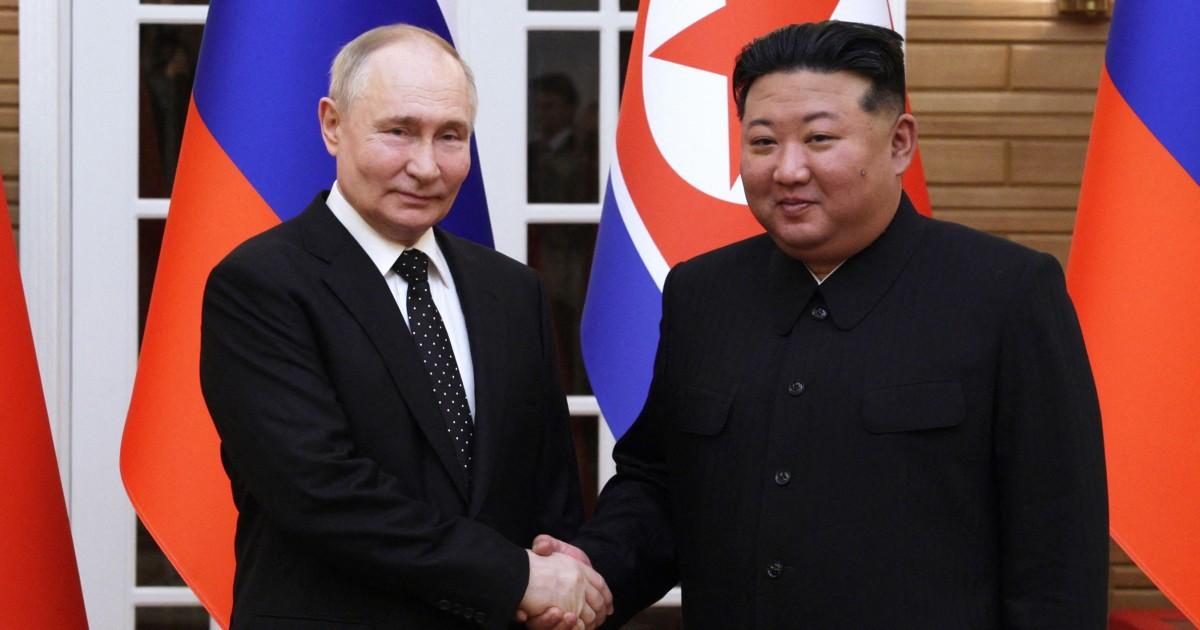
Kim Jong Un Opens Memorial Museum in Pyongyang for North Koreans Killed Fighting in Ukraine
12 sources compared

Donald Trump Jabs Prince Harry Over Ukraine Remarks, Tells Him ‘Give Meghan My Regards’
43 sources compared

Zelensky Calls US Envoys Steve Witkoff and Jared Kushner’s Kyiv Skip Disrespectful
18 sources compared
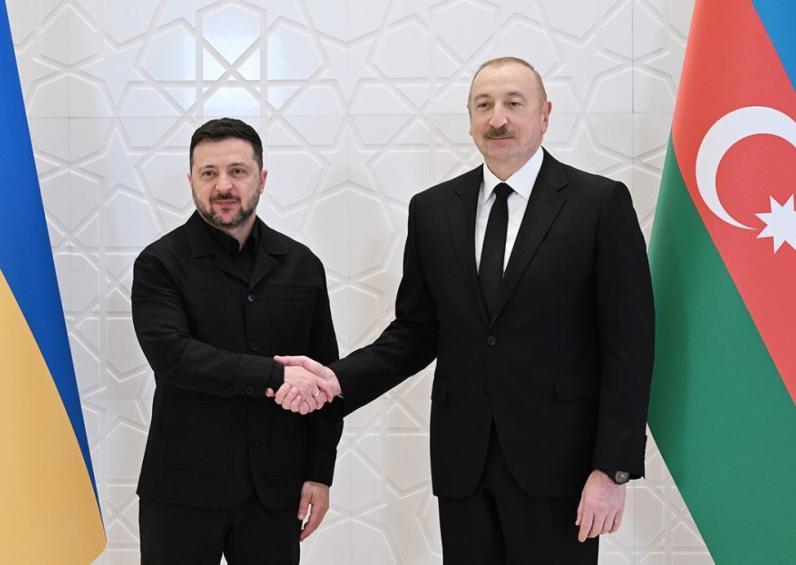
Zelenskyy Meets Aliyev in Azerbaijan, Says Ukraine Is Ready for Russia Peace Talks
27 sources compared