Ukrainian Activists Demand Rewe And Edeka Boycott Milka And Toblerone Over Mondelez Russia
Key Takeaways
- Mondelez defends continuing operations in Russia, says staying protects thousands of jobs.
- CEO says taxes funded by Russia operations fund the war; staying is the right decision.
- Mondelez remains in Russia, aligning with other Western firms that stayed.
Boycott and war taxes
Ukrainian activists demanded the boycott of Milka and Toblerone, saying the companies’ parent Mondelez is still active in Russia and that “Des entreprises comme Mondelez financent indirectement la guerre illégale de la Russie contre l’Ukraine”.
“You Browser Working London Working www”
The activists wrote to two German supermarket chains, Rewe and Edeka, asking for the “retrait des produits Milka et Toblerone de leurs rayons,” according to Focus.
The same article says Mondelez had been listed the previous year on a Ukrainian government anti-corruption agency’s list of “sponsors internationaux de guerre,” while Mondelez defended its approach to Focus by arguing, “Il n’y a pas de décision facile”.
It also states Mondelez continues to operate three factories in Russia and employs about 3000 people there, while a French ministry position quoted by Ouest-France said companies must “respect scrupuleusement les sanctions contre la Russie” but remain “libres de leurs choix.”
Mondelez chief defends staying
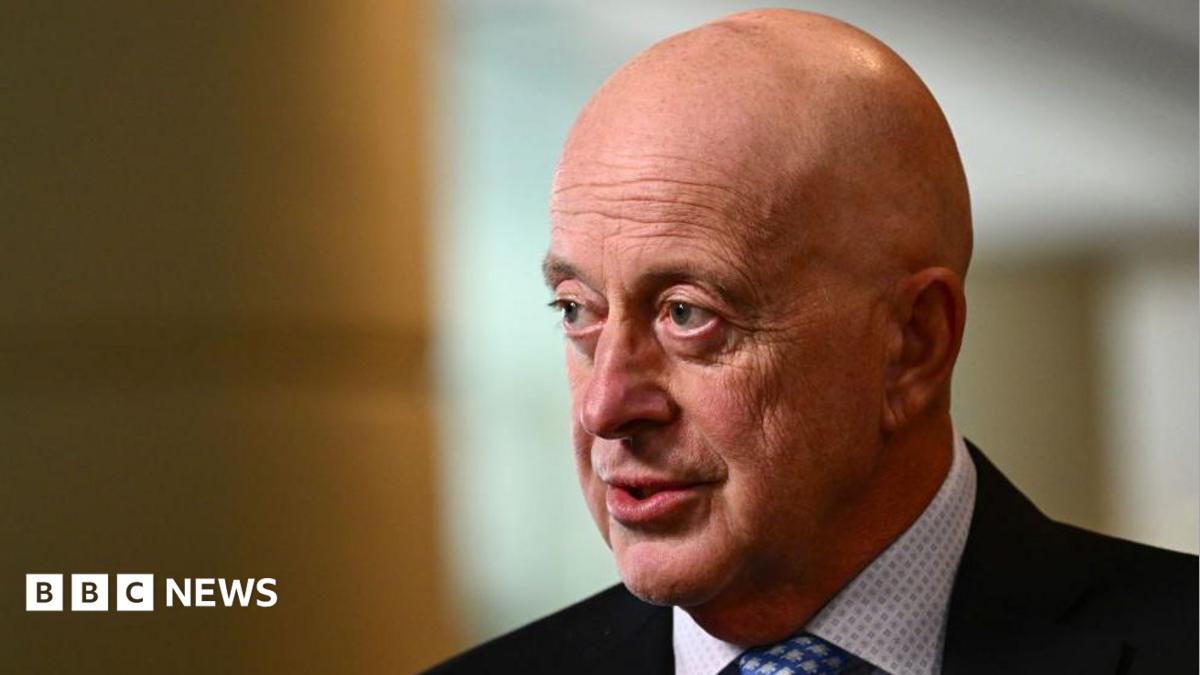
In a BBC interview, Mondelez chief executive Dirk Van de Put defended continuing to do business in Russia after the invasion of Ukraine in 2022, calling it the “right decision” to stay.
Van de Put told the BBC he is “not pleased” that Mondelez’s taxes are funding the war, saying, “We pay taxes in Russia that helps the war. I'm not pleased about that.”

The BBC reported that Mondelez said it discontinued new investment in its Russian business and suspended spending on advertising, while other Western companies such as McDonald’s exited Russia after launching a full-scale assault on its neighbour.
The BBC also said Russia has generated sales of between $1bn (£745m) and $1.4bn a year for Mondelez since Russia’s full-scale invasion of Ukraine, and it cited an All Party Parliamentary Group on Ukraine letter in which Alex Sobel wrote that continuing ties “cannot be justified under any definition of 'business as usual'.”
Ukraine operations and risk
The BBC said Mondelez continues to operate in Ukraine, where Van de Put described an office building hit on the morning he spoke, adding, “Everybody's safe,” while acknowledging “it's the reality of the situation.”
“You Browser Working London Working world”
Van de Put told the BBC that Mondelez operates two manufacturing plants in Ukraine—one in Trostyanets near the Russian border and one in Vyshhorod close to Kyiv—and said one plant “got hit twice” and was rebuilt “twice.”
He said rebuilding costs “tens of millions” and that Mondelez “doubled everybody's salary when the conflict started” while not firing anyone, framing the decision as continued investment in the country.
The BBC also reported that Van de Put said if Mondelez pulled out of Russia, “They would have confiscated our plant,” and he argued it would likely have given the Kremlin “a much bigger source of income, keep on selling our products to fund the war.”
More on Ukraine War

Trump Meets Zelensky at G7 in Évian, Urges Russia to Make a Deal
10 sources compared

Trump Urges Russia To Make A Deal To End Ukraine War At G7
15 sources compared
Donald Trump Signs G7 Declaration, Threatens Reimposing Russian Oil Sanctions
23 sources compared

G7 Leaders Press Russia to End Ukraine War as Zelenski Meets Trump in Evian
23 sources compared