Full story
Refineries hit inside Russia
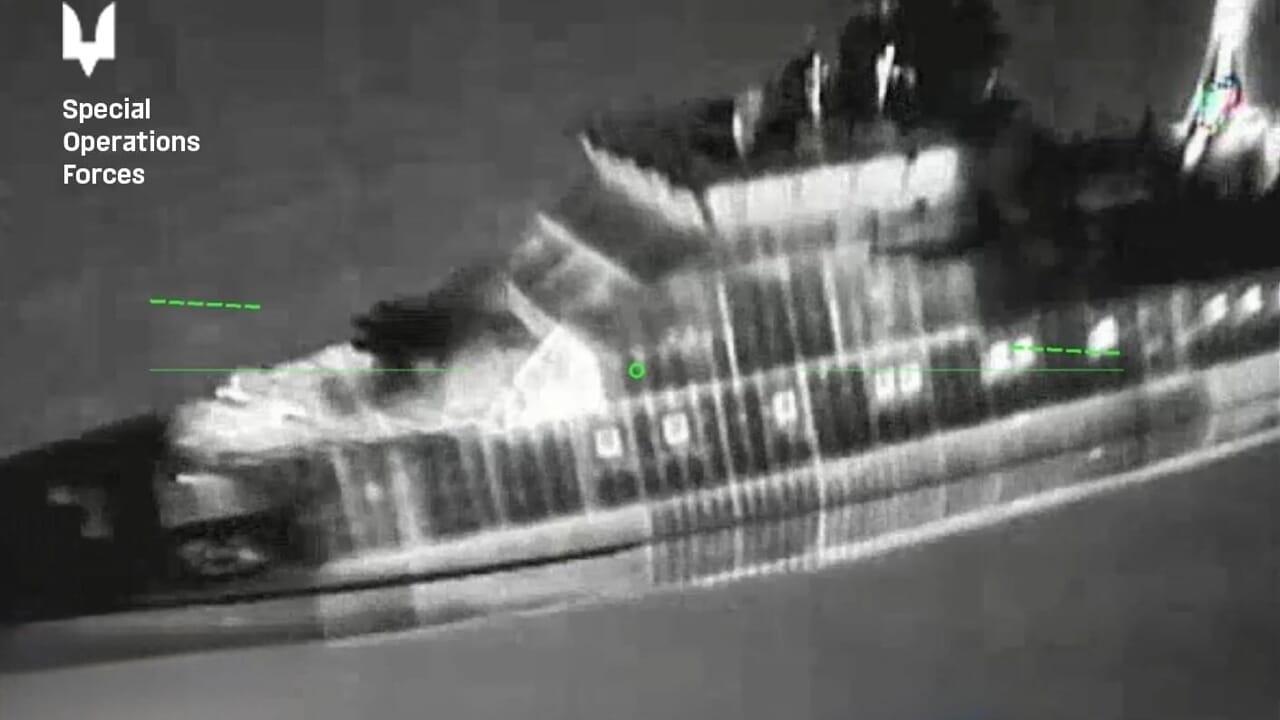
Ukrainian drone strikes targeted Russian oil refineries in strategic assaults that Ukraine’s Security Service (SBU) said were meant to weaken Russia’s energy revenues.
“Ukraine's Security Service confirmed drone attacks on oil refineries deep in Russia, targeting facilities in Perm and Orenburg regions”
Devdiscourse reported that the SBU confirmed drone attacks on oil refineries deep in Russia, targeting facilities in the Perm and Orenburg regions, and that subsequent fires were reported at the sites.

The same report said the SBU announced a drone strike on an oil refinery near Perm, describing it as the second high-profile Ukrainian assault on Russian energy infrastructure within days.
Devdiscourse added that the Lukoil-owned facility suffered substantial damage and that the SBU said the strike disrupted a major oil processing unit, further hampering Moscow’s energy output.
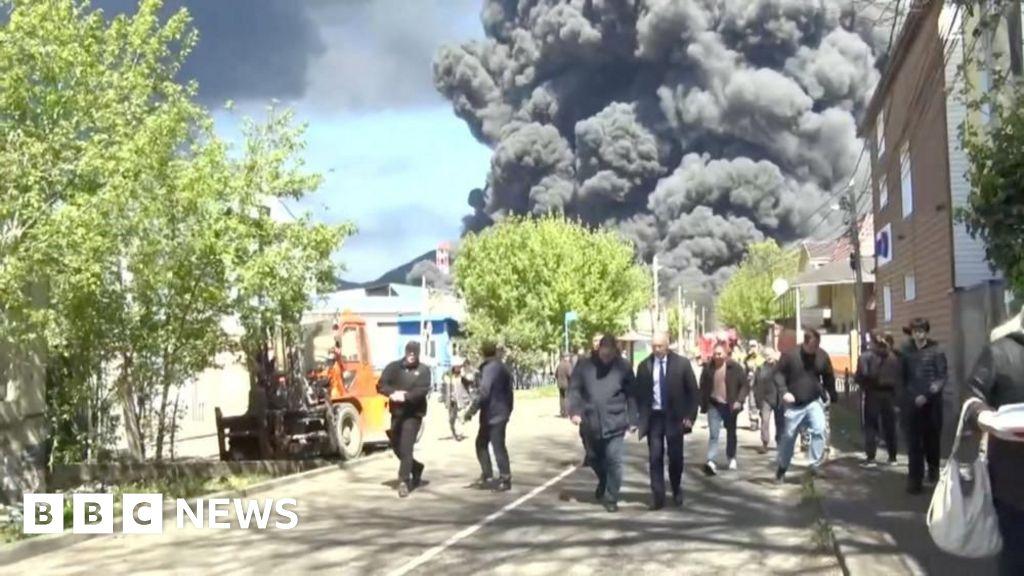
Al Jazeera described a different but related pattern of strikes on Russia’s Black Sea coast, saying Tuapse had been hit by a series of three Ukrainian drone strikes targeting its refinery, “one of the largest in Russia.”
Al Jazeera said the first strike came on April 16, causing a fire that lasted two days, and that on April 20 the refinery was struck again, leaving a massive plume of thick smoke and a fire that lasted for five days.
Environmental fallout in Tuapse
Al Jazeera framed the Tuapse refinery attacks as an environmental disaster, describing cleanup volunteer Sergei Solovev arriving in the town of Tuapse on Russia’s Black Sea coast to find an “unpleasant odour” and everything coated in black grime.
Solovev told Al Jazeera, “I saw train carriages covered in residue from the black rain and animals. It’s all very toxic,” and he added, “And the smell was oily.”

Al Jazeera said black rain is an unnatural weather phenomenon where water droplets blackened by soot and ash fall from the sky, and it described the phenomenon as now falling on parts of Russia.
The outlet reported that after the April 20 attack, smoke released poisonous chemicals and an analysis of air around the town found concentrations of benzene, xylene, and soot were three times above safe levels.
Residents were advised to stay indoors, keep their windows shut, and leave home wearing a mask, while volunteers set up animal cleanup centres to wash away the muck before sending animals to shelters.
Al Jazeera said by the end of the April 20 attack, at least eight storage tanks at the refinery lay destroyed, with spilled petroleum leaking into the nearby Tuapse River and then into the Black Sea.
It also reported that authorities dispatched more than a dozen boats to clean up the slick at sea and installed booms on beaches to contain the spill, while emergency crews and volunteers cleared stony beaches using excavators and collected oil in barrels and plastic bags.
The outlet quoted Solovev saying, “There’s oil already all over the coastline within a 20-kilometre (12-mile) radius,” and warned that the oil droplets in the air are dangerous when inhaled.
Zelensky links strikes to losses
Kyiv Post reported that President Volodymyr Zelensky said Ukraine’s long-range strikes were deepening losses in Russia’s oil export infrastructure while Moscow worked to undermine Kyiv’s international defense partnerships and expanded its military presence in Africa.
“President Volodymyr Zelensky said Ukraine’s long-range strikes are deepening losses in Russia’s oil export infrastructure”
After receiving a report from Oleh Luhovskyi, head of Ukraine’s Foreign Intelligence Service, Zelensky said Ukraine had recorded a sharp decline in Russian oil export throughput at key ports.
Kyiv Post gave specific figures from Zelensky’s account, saying Primorsk is down 13%, Novorossiysk 38%, and Ust-Luga 43%.
Zelensky also said Russian internal data may underestimate the true scale of the losses, and he added that Ukraine would continue operations aimed at reducing Russian oil revenues and export volumes.
The report said the same intelligence report detailed Russian efforts to counter Ukraine’s growing network of international defense cooperation, including the so-called drone deals.
Kyiv Post also said Zelensky warned that Russian expansion of drone deployment across African countries could have broader security consequences, stating it risks strengthening terrorist organizations, increasing cross-border crime, and causing instability in migration regions that are strategically important.
It quoted Zelensky saying, “It is important to counter this jointly—we will coordinate with partners, he added.”
The Kyiv Post narrative connected the oil-export impact to a wider campaign, while CNN’s report similarly described drone attacks igniting refineries and forcing Moscow to scale back public events, and it said Russian business owners shut down under mounting financial strain.
Competing frames and emphasis
The sources diverged in how they emphasized the same underlying pattern of strikes on Russian energy infrastructure, with some focusing on operational disruption and others on environmental and economic consequences.
Devdiscourse described “strategic strikes” confirmed by the SBU, saying the attacks targeted oil refineries in Perm and Orenburg regions and that the strike on a Lukoil-owned facility “suffered substantial damage” and disrupted a major oil processing unit.
Al Jazeera, by contrast, centered its reporting on the effects of the Tuapse refinery strikes, describing “Environmental disaster” and quoting cleanup volunteer Sergei Solovev about “black rain” residue and toxic conditions.
Al Jazeera also reported that after the third and final strike on Tuesday, “the town was evacuated,” while Kyiv Post and CNN focused more on the war-economy and policy implications of the attacks.
Kyiv Post tied the strikes to Zelensky’s claims of reduced Russian oil export throughput at Primorsk, Novorossiysk, and Ust-Luga, and it also described Russian efforts to undermine Kyiv’s defense deals and expand military presence in Africa.
CNN’s framing, as presented in the source text, said drone attacks ignited refineries and forced Moscow to scale back public events, while Russian business owners shut down under mounting financial strain.
Devdiscourse additionally described the attacks as aiming to weaken Russia’s energy revenues “crucial for funding its war efforts against Ukraine,” while Al Jazeera described the same kind of targeting as causing ecological damage in a war that “has devastated the environment.”
Across the accounts, the same theme—Ukrainian strikes on Russian oil infrastructure—was presented through different lenses: SBU-confirmed disruption, ecological contamination, and economic or political pressure.
Long-term risks and next steps
The sources also differed in how they described what comes next, but they converged on the idea that the refinery strikes carry consequences beyond immediate fires.
““could be serious and last for years””
Al Jazeera quoted Ruslan Khvostov, chairman of the Green Alternative party, warning that long-term consequences for the local ecosystem “could be serious and last for years.”
Khvostov told Al Jazeera that “Oil products settle in the bottom sediments of the Black Sea, disrupting the food chain, and everyone will suffer,” and he added that “The oil slick blocks oxygen, causing mass mortality of fish, shellfish, and bottom dwellers; biodiversity restoration will take five to 10 years or longer.”
The outlet also described how volunteering itself could be hazardous, with Solovev warning, “Wear a mask and chemical protection,” and telling readers, “You have to drink absorbents every two hours while cleaning it up.”
Kyiv Post, meanwhile, said Zelensky warned that Russian expansion of drone deployment across African countries could strengthen terrorist organizations, increase cross-border crime, and cause instability in migration regions that are strategically important, and it quoted him saying, “It is important to counter this jointly—we will coordinate with partners, he added.”
Kyiv Post also stated that Zelensky said Russia’s internal efforts include expanding efforts to block Ukraine’s access to investment and disrupt bilateral agreements on security cooperation and weapons production, with particular emphasis placed on limiting Ukraine’s engagement with partners in the Middle East and the Gulf.
Devdiscourse described the attacks as part of a strategic push to hinder Russia’s oil industry amid ongoing global geopolitical tensions, and it said the SBU announced the Perm strike as the second high-profile Ukrainian assault on Russian energy infrastructure within days.
CNN’s account, as included in the source text, suggested immediate pressure on Russia’s public life and business activity, saying drone attacks ignited refineries and forced Moscow to scale back public events while Russian business owners shut down under mounting financial strain.