
UN Human Rights Experts Say Epstein Files Expose Possible Crimes Against Humanity, Demand Prosecutions
Key Takeaways
- UN human rights experts said files reveal possible crimes against humanity and demanded prosecutions
- Justice Department's release of roughly three million pages prompted global repercussions and revealed new names
- Art-world figures resigned or faced fallout after revelations in the released Epstein files
DOJ release sparks fallout
The U.S. Department of Justice’s recent release of roughly three million pages of documents related to Jeffrey Epstein has generated global repercussions across politics, finance, entertainment and academia, prompting renewed scrutiny of Epstein’s network and new resignations and investigations.
“Law & Politics Which Art World Power Players Are Facing Fallout From the Epstein Files”
The Justice Department release has been described as triggering “a new wave of fallout” and as helping to “map Epstein’s extensive network of powerful associates and connections,” while news organisations stress that inclusion in the files does not automatically imply guilt.
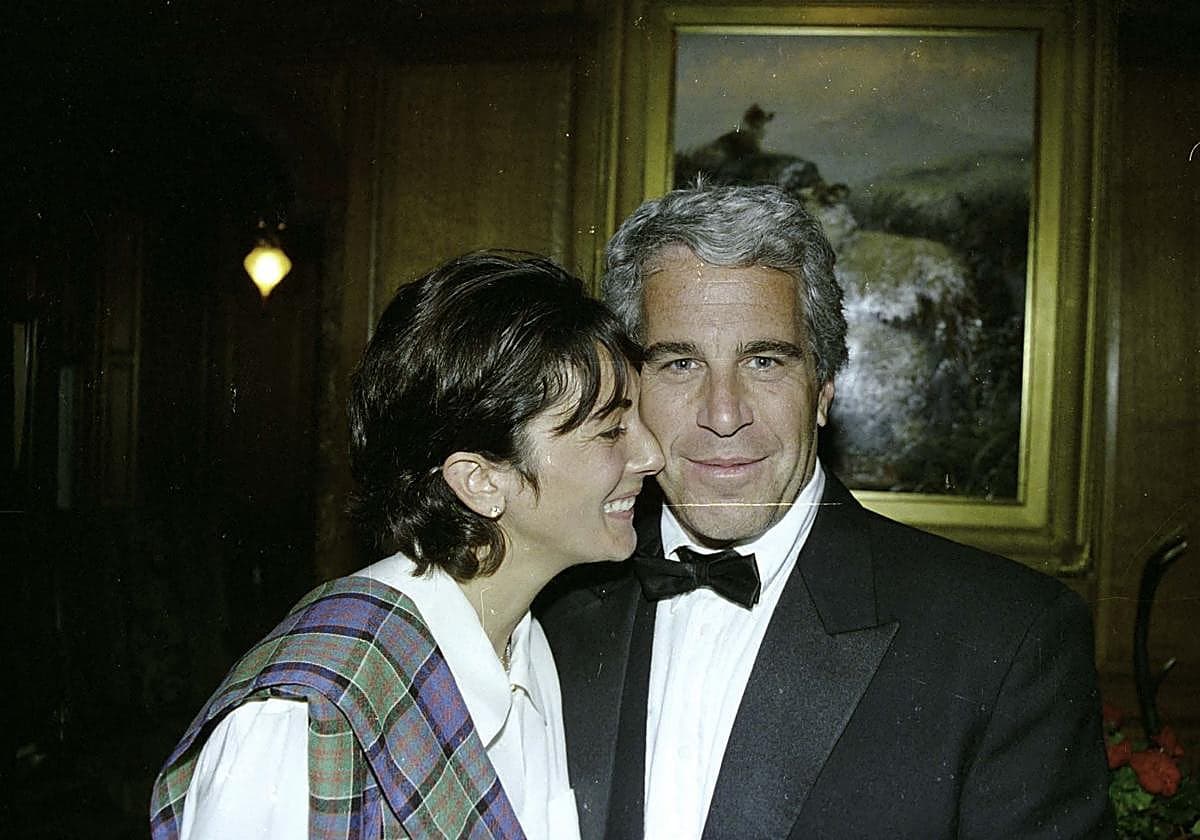
UN human rights experts have seized on the scale of the documents, arguing they contain disturbing evidence that could amount to international crimes and underscoring the need for accountability.
UN experts' legal claim
Nine UN human rights experts publicly stated that the declassified Epstein files include “disturbing and credible evidence” and that the scale, systematic character and transnational reach of the abuses mean several acts could “reasonably meet the legal threshold of crimes against humanity.”
At the same time, major news outlets emphasise caution: both Artnet and the New York Times note that “inclusion in the files does not necessarily imply wrongdoing” and many documents contain unverified tips, creating tensions between the experts’ legal assessment and the need for rigorous investigation.
Alleged crimes listed
According to the UN experts’ reading of the files, the documents point to a range of grave crimes — including sexual slavery, reproductive violence, enforced disappearance, torture, inhuman and degrading treatment and even femicide — committed in a context the rapporteurs described as marked by racism, corruption, extreme misogyny and the commodification and dehumanization of women and girls.
“The Justice Department’s latest release of files related to the convicted sex offender Jeffrey Epstein has set off global repercussions across politics, finance, entertainment and academia”
Those allegations sit alongside reports that more than 1,200 women have come forward with accusations of rape, abuse and sex trafficking, and arise from the vast corpus now public in the roughly three million pages released by the DOJ.
Disclosure and victims' harm
The UN experts also criticised how the files were disclosed, warning that publication has at times failed to protect victims’ identities and risks revictimisation; they called for standardized publication procedures centred on victim safety.
News outlets corroborate the unevenness of the material: the New York Times notes many documents contain unverified tips and allegations, and reporting has already led to resignations and legal probes in multiple countries, illustrating the political and institutional fallout tied to disclosure choices.
Calls for prosecutions
UN experts and advocates urged stronger political will to prosecute everyone involved and recommended removing statutes of limitations that could block accountability, warning that inaction would erode frameworks meant to prevent violence against women and girls.
“The UN says Epstein files reveal possible crimes against humanity Human rights experts demand greater political will to prosecute everyone involved in the pedophile’s network “The Epstein files contain disturbing and credible evidence of systematic, large-scale sexual abuse, trafficking and exploitation of women and girls”
The call for prosecutions comes as named figures have faced concrete consequences: the Artnet and New York Times reporting catalogues resignations and legal actions — for example, Thomas Pritzker said he would not seek re-election to the Hyatt board and Borge Brende resigned from the World Economic Forum — underscoring the ongoing institutional reverberations and the experts’ insistence that “no one is too rich or too powerful to be above the law.”
More on Crime

Ayman Ghazali Dies by Self-Inflicted Gunshot After Detroit-Area Temple Israel Attack
12 sources compared

Ghazali Rams Michigan Synagogue, Killed After Saying He Avenged Relatives in Israeli Strike
11 sources compared

Convicted ISIS Supporter Shoots at Old Dominion University, Kills Army Officer
11 sources compared

Europol and DOJ Freeze $3.4–$3.5M, Dismantle SocksEscort Proxy Network That Compromised 369,000 Devices
13 sources compared