Gaza Genocide27 March, 20262 min read
United Nations Human Rights Council Demands States Stop Arming Occupation, Refuse Recognition, Ensure Accountability
This article is an automated aggregation of coverage from news outlets. Our editorials offer in-depth analysis curated by the NewsCord team.
UNHRC adopts accountability-focused resolution on occupied Palestinian territory; 24 in favor, 4 against, 19 abstain. Resolution calls to end occupation, lift Gaza blockade, halt settlements.
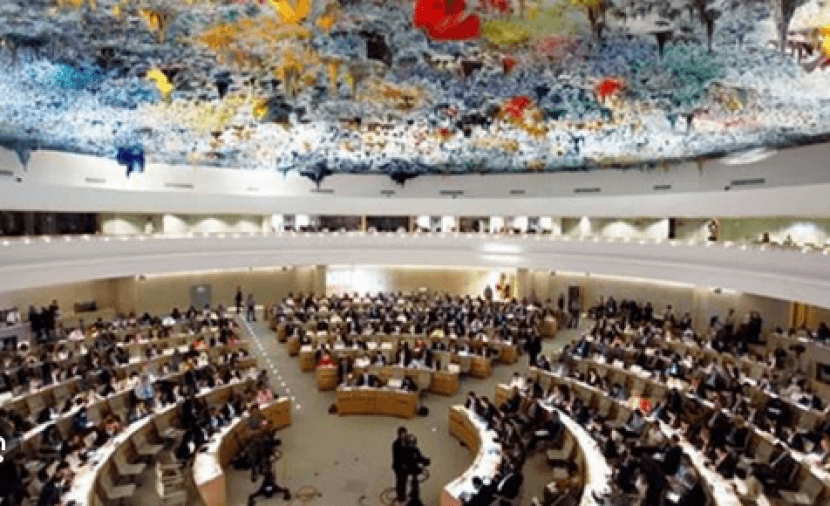
UNHRC accountability milestone
The single most important new development across the sources is the United Nations Human Rights Council’s March 27, 2026 resolution on the human rights situation in the Occupied Palestinian Territory, including East Jerusalem, which foregrounds accountability and justice amid ongoing violations. The vote tally—24 in favor, 19 abstentions, and 4 against—signals a broad international push to move from condemnation to actionable accountability, a shift Palestinian authorities hailed as essential to ending impunity. The Palestinian Ministry of Foreign Affairs welcomed the resolution, stressing that it underscores the necessity of holding violators to account and achieving justice in a moment described as grave due to continued occupation and settler activity.
“The United Nations Human Rights Council adopted a resolution on the human rights situation in the Occupied Palestinian Territory, including East Jerusalem, concerning the obligation to uphold accountability and justice, following the vote in favor of the resolution by member states.”
The statement frames the resolution as a tangible international obligation to uphold the Geneva Conventions and not to recognize or enable the occupation’s continuation, echoing the ICJ advisory opinion that states should refrain from assisting perpetuation of the illegal situation. By foregrounding accountability as a legal duty, the resolution reframes the discourse around protection and remedies for victims rather than abstract moralizing about the conflict.

Concrete demands for accountability
What the resolution demands in substance is specific and non-negotiable: uphold accountability and justice for violations; not recognize the illegal occupation; refrain from supplying weapons or other support that could be used to sustain it; insist on respect for the Geneva Conventions and rely on the ICJ advisory opinion that states should not recognize or enable the occupation’s perpetuation. It also calls for establishing legal accountability for Israeli occupying forces and settlers, as well as those who incite crimes, while ensuring victims can access effective remedies.
Palestinian officials framed these duties as universal legal obligations, not mere political statements, emphasizing that accountability is foundational to peace. The resolution’s language is reinforced by statements from ministries that stress not recognizing the illegal status and not providing any support that would perpetuate it, in line with ICJ reasoning.
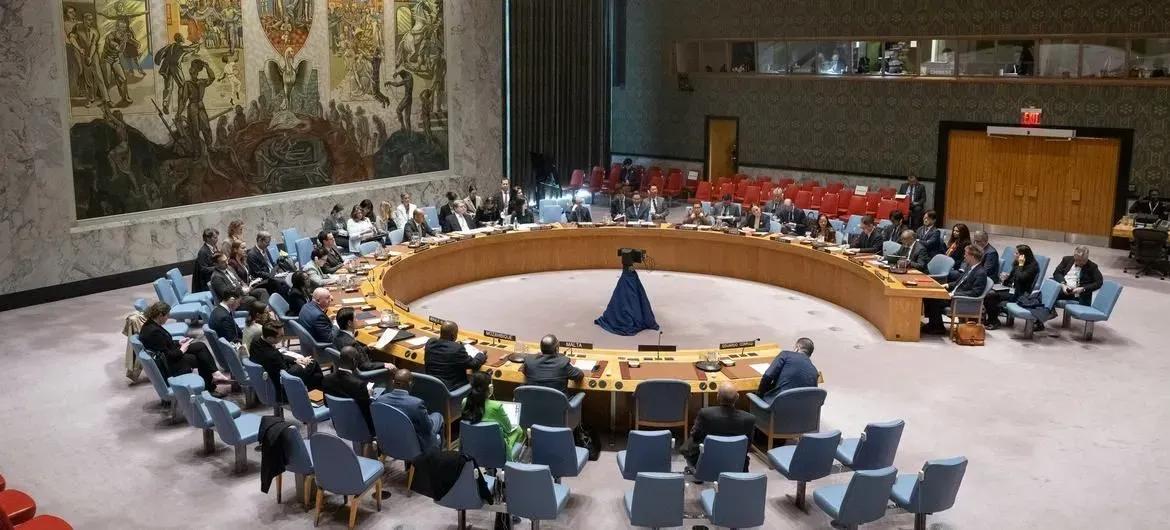
Implementation and remedies
The resolution also directs concrete steps to translate its principles into action: practical steps to implement its provisions, including empowering victims to seek remedies and bolstering international mechanisms. The emphasis across sources is on turning accountability rhetoric into legal and procedural realities, ensuring victims can access remedies and that the international community applies pressure to uphold the Geneva Conventions and related norms. Palestinian officials frame this as a test of the global system’s willingness to translate condemnation into enforceable justice, including mechanisms to hold occupying forces and settlers accountable and to deter incitement to crimes.
“The ministry stressed that adopting this resolution embodies the international community's responsibility... enabling victims to access effective remedies, contributing to ending ongoing violations, achieving justice, and safeguarding the inalienable rights of the Palestinian people.”
Regional context and reactions
The resolution lands within a broader regional and geopolitical frame, drawing mixed reactions and highlighting the asymmetries at play in West Asia.
Palestinian voices emphasize that the resolution should translate into effective remedies, not just rhetoric, and that accountability is essential for durable justice.
Uncertainties and next steps
Abstentions and non-unanimous support suggest the path to enforcement remains contested, and effectiveness depends on translating rhetoric into concrete measures.
“Twenty-four countries voted in favor of the resolution, 19 abstained, and four voted against it.”
The reporting emphasizes that the resolution’s value lies in naming responsibilities, outlining legal duties, and pressing for remedies for Palestinian victims.