United Nations University Study Warns Artificial Intelligence Threatens Water, Land, And Climate
Key Takeaways
- UN findings project AI data centers will demand massive electricity by 2030.
- Data centers' water use could meet billions' demands; AWS cited as example.
- UN study notes AI's environmental costs include water use and broader resource impacts.
AI’s resource footprint
A United Nations University study warns that the environmental costs of artificial intelligence threaten “Water, Land, and Climate,” with data centers running AI systems projected to consume as much as 945 terawatt-hours of electricity annually by 2030.
“Guests The environmental toll of the artificial intelligence boom continues to mount as tech companies use ever more power to run their data centers and enormous amounts of water for cooling”
The report says AI-related water consumption could equal the basic annual household needs for 1.3 billion people by the end of the decade, while its land footprint could exceed 14,500 square kilometers, about five times the area of the Cairo Governorate.

It also argues that daily AI usage accounts for between 80 and 90 percent of total energy demand, and that one widely deployed AI service processes about 2.5 billion prompts per day.
The study further warns that electronic waste from AI infrastructure is expected to generate up to 2.5 million tons of electronic waste annually by 2030, with much of the burden likely falling on low-income countries lacking sufficient capacity to dispose of these wastes safely.
The United Nations University researchers say the report is not intended to oppose AI itself but to urge urgent action so the technology develops within the planet’s environmental boundaries.
Water use and cooling
A separate report on Amazon’s data centers says Amazon says its global data center operations will use nearly 2.5 billion gallons of water in 2025, equal to about 9.5 billion liters.
Amazon also says that by 2025, its data centers will use 0.12 liters of water per kilowatt-hour of electricity consumed, and that water use in its owned and operated data centers declined by 2% compared with 2024.
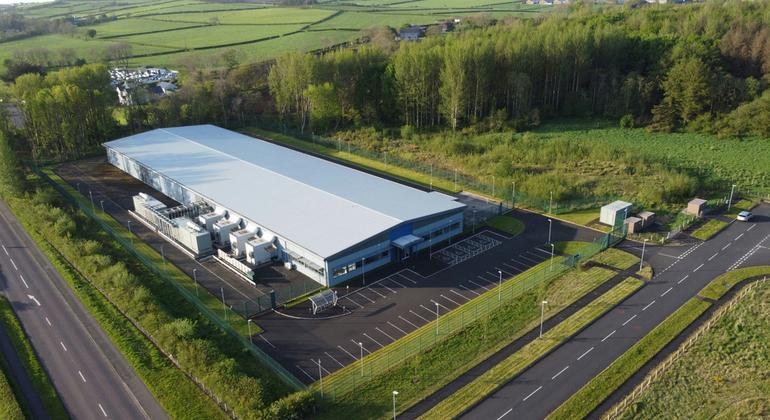
The account says Amazon facilities use outdoor air for cooling about 90% of the time, and that water is not heavily used except during hot summer periods through evaporative cooling.
It adds that some Amazon data centers use treated wastewater instead of drinking water, and that Amazon aims to return water quantities to communities by the end of this decade that exceed what its direct operations consume.
In the UN University framing, Kaveh Madani, director of the United Nations University Institute for Water, Environment and Health, said, “What we tried to do in this report was to remind people that there’s some physics to all of this.”
Power, justice, and governance
The UN University investigation described in Democracy Now! says AI’s water use in 2030 will match the needs of 1.3 billion people, while its power use will be triple that of Pakistan, Bangladesh and Nigeria combined, with a combined population of 650 million.
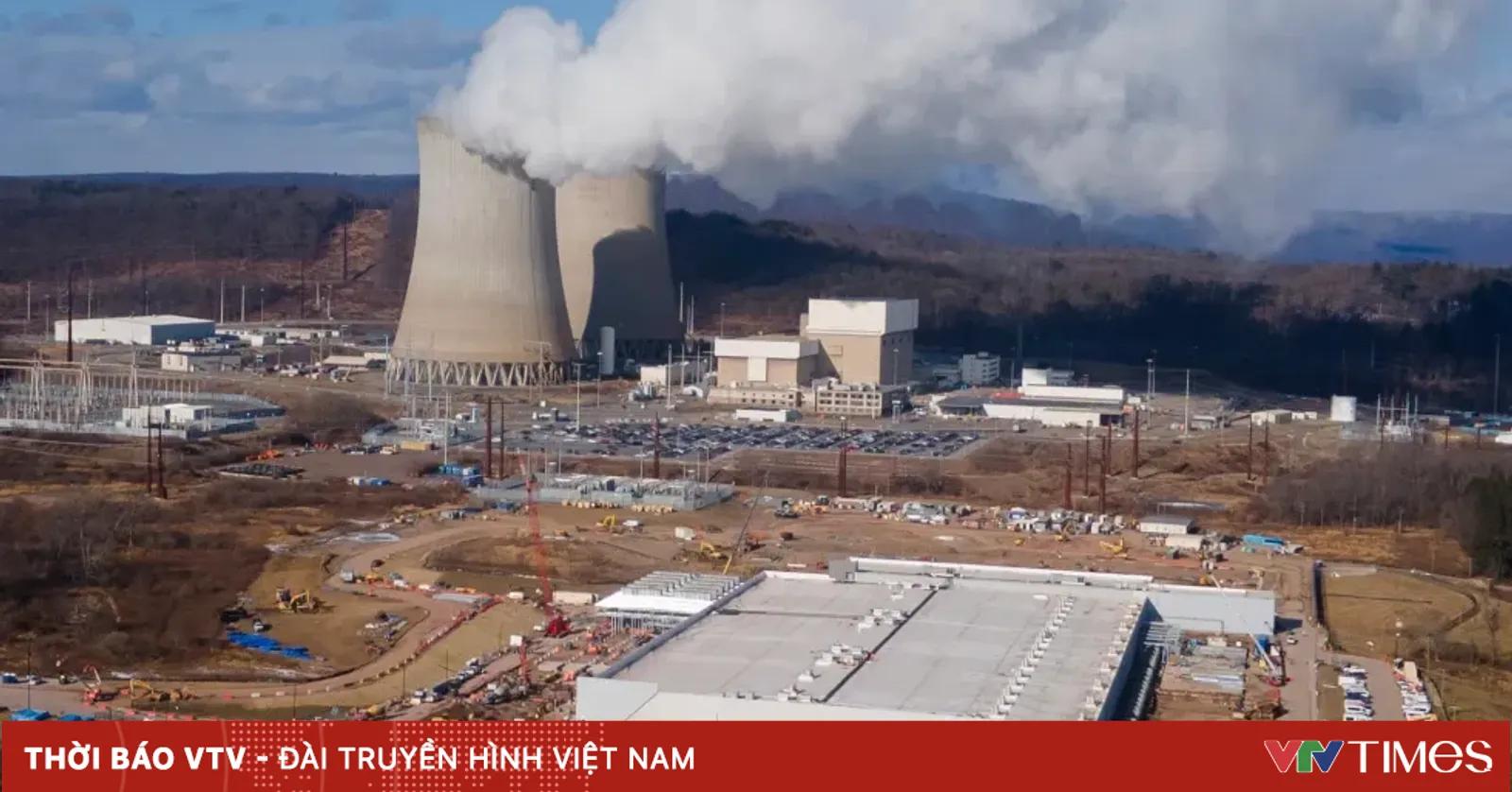
“A data center owned by Amazon Web Services is under construction near the Susquehanna Nuclear Power Plant in Pennsylvania, United States, as of January 14, 2025”
 Vietnam.vn
It also says that already in 2025, global data centers consumed an estimated 488 terawatt-hours of electricity, and that if treated as a nation they would be the world’s 11th largest electricity consumer, behind France and ahead of Saudi Arabia.
The report frames the issue as environmental justice, noting that “Ninety percent of AI computing is concentrated in the U.S. and China,” while the rest of the world disproportionately bears costs like minerals extraction and e-waste.
In the UN News account, the study warns that more than 90 percent of AI computing capacity is concentrated in just two countries, the United States and China, while more than 150 countries lack tangible local AI infrastructure.
The UN News piece says the study proposes a framework for a responsible AI ecosystem grounded in transparency, efficiency from the design stage, fairness, accountability throughout the lifecycle, global cooperation, and sustainable use.
More on Technology and Science

SpaceX IPO Debuts On US Markets, Making Elon Musk The World’s First Trillionaire
30 sources compared

Google Sues China-Based Outsider Enterprise for Gemini-Driven Phishing Scams in New York
11 sources compared
Quantum Space Agrees to Go Public Via SPAC Merger With Inflection Point Acquisition Corp. VI
10 sources compared

Coinbase Launches Coinbase for Agents Platform for AI Assistants to Trade Crypto and Make Payments
14 sources compared