United States And Iran Agree Peace Framework, End Blockade, Reopen Strait Of Hormuz
Key Takeaways
- Peace framework to end the war and halt the U.S. blockade.
- Strait of Hormuz to be reopened under the deal.
- Signing planned Friday in Switzerland; remote signing possible.
Deal ends war talks
The United States and Iran agreed on a peace framework to end their war, halt the U.S. blockade of Iran and reopen the Strait of Hormuz, with U.S. President Donald Trump writing on Truth Social that “The Deal with the Islamic Republic of Iran is now complete.”
Reuters said the pact was announced after Pakistan Prime Minister Shehbaz Sharif, who served as a mediator, said the agreement was struck early on Monday local time, and that it would be officially signed on Friday in Switzerland.

Sharif said the pact called for “the immediate and permanent termination of military operations on all fronts, including in Lebanon,” even as the precise terms were not immediately known.
The Reuters report said Trump ordered the end of the U.S. blockade of Iranian ports and predicted the Strait of Hormuz would open on Friday, with oil shipments resuming through the critical waterway.
Reuters also reported that Iran’s deputy foreign minister, Kazem Gharibabadi, said a more expansive agreement would be negotiated during a 60-day ceasefire period, including sanctions relief.
Lebanon strike complicates
The agreement was sealed despite an Israeli strike on Lebanon on Sunday that drew criticism from both Iran and Trump, with Iran’s foreign ministry saying it held the United States responsible for the attack.
Reuters quoted Iranian negotiator Mohammad Baqer Qalibaf saying Israel’s latest attack on the southern suburbs of Beirut showed the United States lacks “the will and ability to fulfill your commitments.”

Trump said in a post on Truth Social that “This morning’s attack on Beirut should not have happened, particularly on a special day when we are so close to a Peace Deal with Iran.”
The Reuters report said Prime Minister Benjamin Netanyahu differed with Trump over American demands that Israel curb its military action in Lebanon to allow the United States to reach a deal with Iran.
Reuters added that Israel has said it will retain freedom of operations in Lebanon, while Iran has made a full ceasefire there an important component of its demands.
Assets, nuclear talks ahead
Under the draft deal described by Reuters, the United States would release $25 billion of frozen Iranian assets while Iran would agree not to produce or acquire nuclear weapons.
“Pakistan Prime Minister Shehbaz Sharif announced that a peace agreement between the United States and Iran has been reached, noting that the signing will take place next Friday in Switzerland”
Reuters said the senior Iranian official described Iran agreeing to maintain the nuclear status quo, including no uranium enrichment or expanding nuclear facilities, until a final deal is reached.
A U.S. official told Reuters that the agreement would ultimately lead to the dismantling of Iran’s nuclear program, with its stockpile of highly enriched uranium to be destroyed and removed.
Reuters reported that a 60-day ceasefire period would be used to negotiate a more expansive agreement, and that the fate of Iran’s nuclear program would also be addressed in those later talks.
The Reuters report said thousands of people have been killed, mostly in Iran and Lebanon, since U.S. and Israeli forces first attacked Iran on February 28, and that U.S. forces have blocked Iranian ports in response to Iran’s effective blockade of the Strait of Hormuz.
More on USA

Workers Remove Donald Trump’s Name From John F. Kennedy Center Facade After Court Order
13 sources compared

U.S. Marine Corps F/A-18 Hornet Crashes Near Rimrock Lake, Sparks Wildfire
13 sources compared
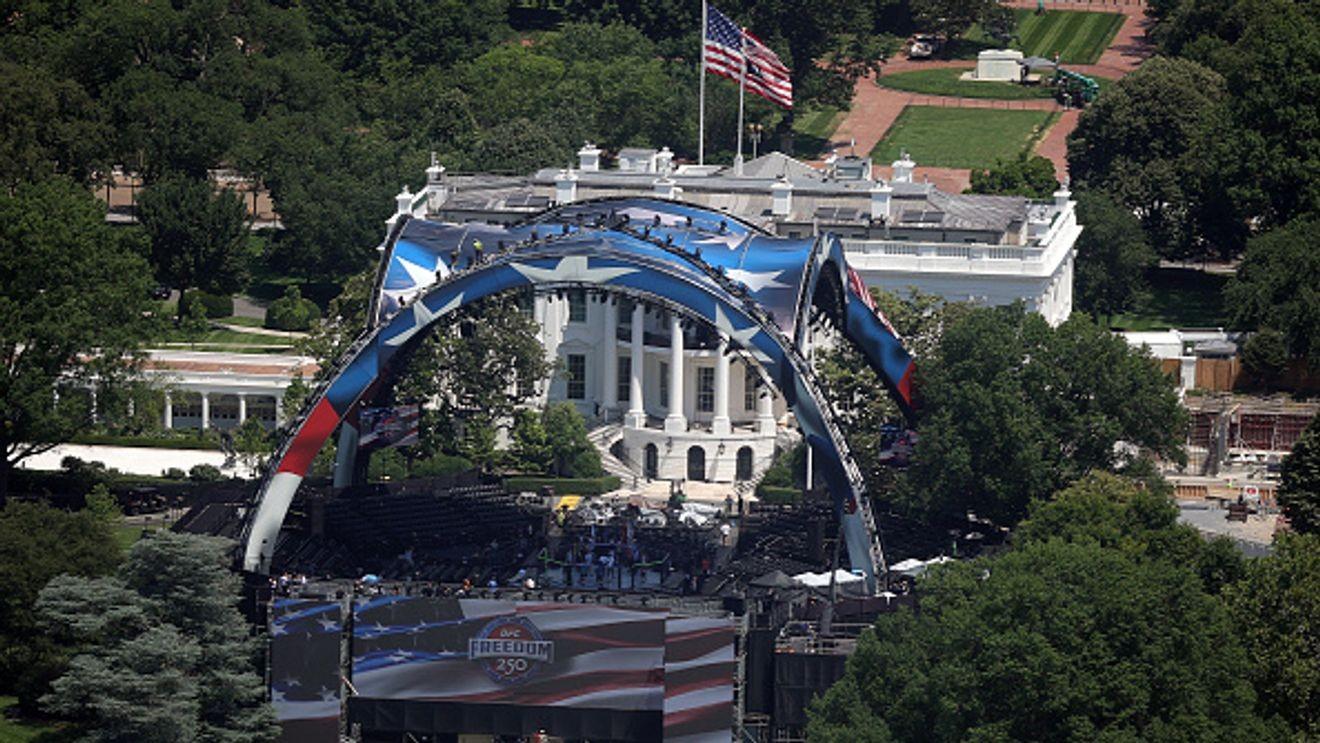
Donald Trump Marks 80th Birthday With UFC Freedom 250 as Severe Thunderstorm Watch Looms
10 sources compared

Trump Turns 80 With White House UFC Event Amid Critics’ Dozing Off Claims
21 sources compared