
United States and Iran Fail to Reach Agreement in Islamabad Peace Talks
Key Takeaways
- Peace talks between the United States and Iran were held in Islamabad with Pakistani mediation.
- Talks failed to reach a deal; competing explanations offered by US and Iran.
- Disagreements centered on reopening the Strait of Hormuz, enriched uranium, and release of Iranian assets.
Talks Collapse
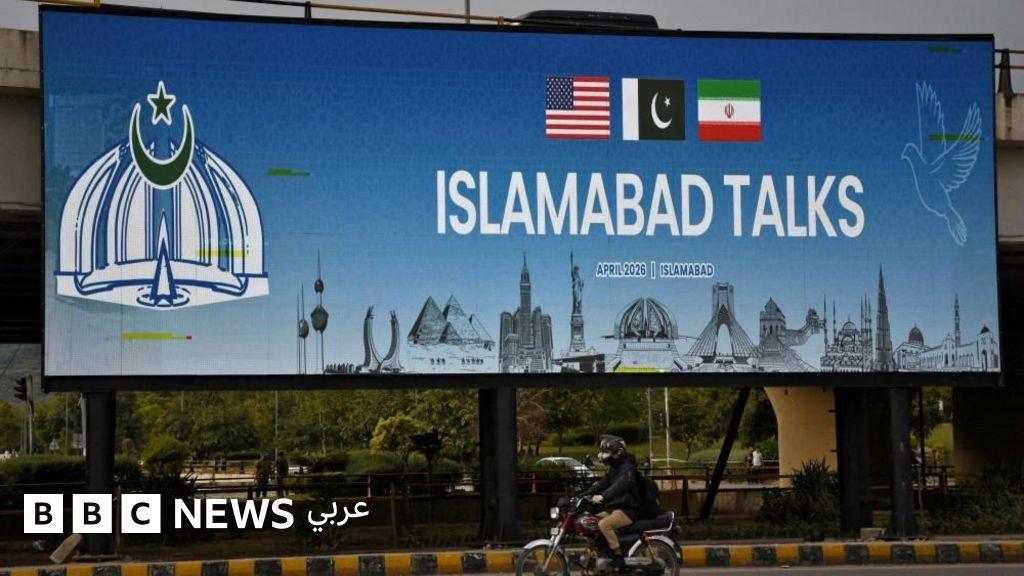
The peace talks between the United States and Iran in Islamabad collapsed after two days of negotiations.
“Facebook Video Home Live Reels Explore More Home Live Reels Explore Talks fail as US expected to increase pressure on Iran's nuclear program Like Comment Share '/%3E%3Cpath%20d='M16”
Iranian state media blamed unreasonable demands from the American side, while the U.S. said it was flexible and cooperative.

Vice President J. D. Vance said Trump asked him to come in good faith and to do his utmost to reach an agreement.
The Iranian delegation, led by Parliament Speaker Mohammad Bagher Ghalibaf, left Islamabad shortly after 4 a.m. Sunday.
The New York Times identified three main points of disagreement: reopening the Strait of Hormuz, the fate of highly enriched uranium, and Iran's demand for the release of frozen oil revenues.
The talks marked the highest level of direct contact between the two countries since diplomatic ties were severed in 1979.
Hormuz Strait Dispute
The Strait of Hormuz emerged as a central sticking point in the negotiations.
Iran insisted on retaining control of the strait and charging passage fees on ships.

The United States demanded it be reopened immediately to all maritime traffic.
Iran had largely taken operational control of the strait after the war began.
Some ships that managed to pass were charged fees of up to $2 million.
The Iranian Revolutionary Guards warned that any attempt by warships to approach the strait would be considered a violation of the ceasefire.
Nuclear and Economic Demands
The nuclear file was another major obstacle.
Trump’s 15-point plan called on Iran to end all uranium enrichment, while Iran’s 10-point proposal demanded recognition of its rights.
Iran demanded compensation for damages from six weeks of air strikes and the release of frozen oil revenues.
The Americans rejected these demands.
The Guardian quoted Clean Clothes Campaign spokesperson Ineke Zeldenrust saying the audit system was fundamentally broken.
Reactions and Consequences
The failure of the talks was immediately followed by Trump announcing a naval blockade of the Strait of Hormuz.
Iran’s Navy commander Shahram Irani called the blockade ridiculous.
The Iranian Revolutionary Guards said any attempt by warships to approach the strait would be considered a violation of the ceasefire.
The talks had been convened after six weeks of war that killed more than 18,000 people.
The Guardian noted that the talks marked the highest level of direct contact since 1979.
More on Iran
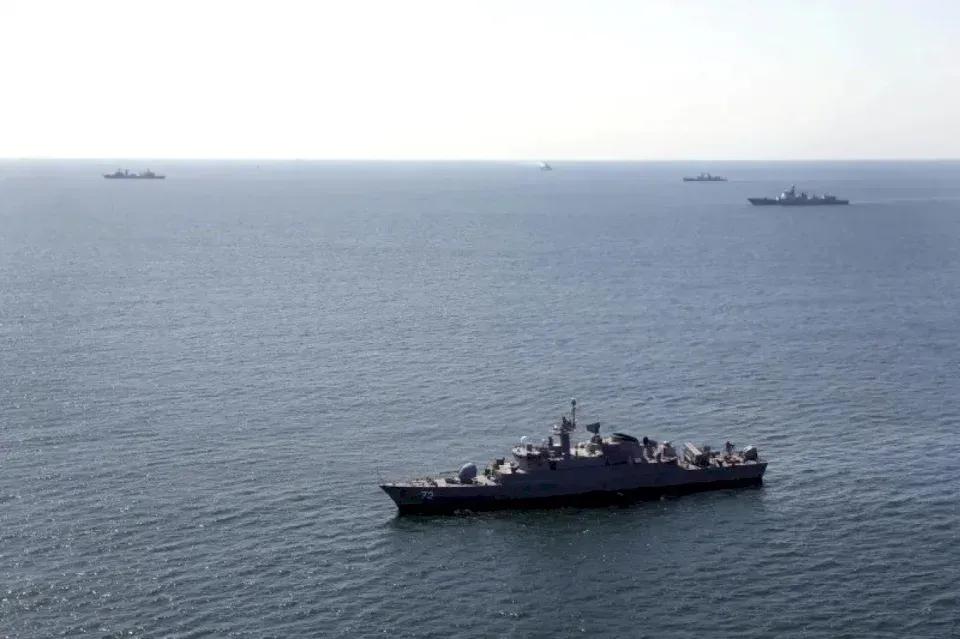
US Navy Begins Naval Blockade of Iranian Ports in Strait of Hormuz
22 sources compared

Iran Rejects US Demand To Halt Uranium Enrichment In Failed Islamabad Talks
18 sources compared
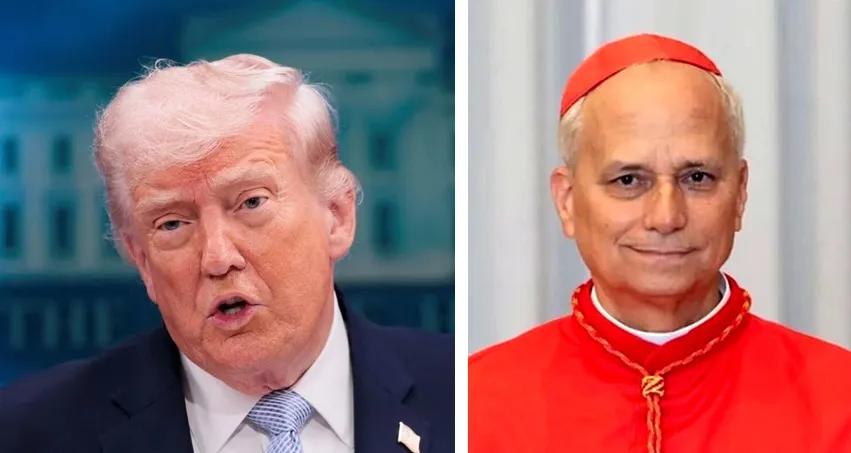
Trump Attacks Pope Leo XIV Over Iran War Criticism, Claims Pope Owes Position To Him
43 sources compared

Turkey Accuses Netanyahu of Seeking to Declare It Israel’s New Enemy
13 sources compared