
United States Releases 14-Point Iran MoU, Reopening Strait of Hormuz and Easing Financial Restrictions
Key Takeaways
- The United States and Iran released the 14-point memorandum's full text.
- The accord envisions reopening the Strait of Hormuz and easing some financial restrictions.
- A 60-day ceasefire is included, with future technical talks on Iran's nuclear program.
US publishes Iran MOU
The United States released the official text of the “Islamabad Memorandum of Understanding between the United States of America and the Islamic Republic of Iran,” after a senior US administration official read out a 14-point document that includes reopening the Strait of Hormuz and easing certain financial restrictions on Iran.
CNN said the memorandum is due to be formally signed Friday, triggering a 60-day-window to negotiate the final terms of a deal, and it described the text as spelling out expectations for addressing Iran’s nuclear program during future technical talks.

Military Times said the MOU includes a 60-day ceasefire and the reopening of the Strait of Hormuz, and it reported that President Donald Trump and Vice President JD Vance electronically signed the accord Sunday ahead of a formal ceremony scheduled for Friday in Switzerland.
The agreement’s text, as quoted by CNN, also sets out that the United States will begin removal of its naval blockade immediately upon signing and fully end the naval blockade within 30 days, while Iran makes arrangements for safe passage of commercial vessels for 60 days only.
CNN reported that the document was released after outcry that its text hadn’t been released publicly, and it said the senior US official described the deal as allowing the US to “open the Strait of Hormuz immediately” and commit the Iranians to “destroying the nuclear dust.”
Trump’s warning, Iran’s claims
Trump warned at the Group of Seven summit in France on Wednesday that any Iranian violation would spark a renewed U.S. military campaign, telling reporters, “If they don’t behave, we’ll go right back to dropping bombs right smack in the middle of their head.”
Al Jazeera reported that Iran’s Ministry of Foreign Affairs spokesperson Esmaeil Baghaei said the “Islamabad Memorandum” had become fully official after being signed by both Tehran and Washington, and he said the agreement would be signed digitally with no signing ceremony in Geneva, Switzerland.

Al Jazeera also quoted Baghaei saying, “The text of the Islamabad Memorandum of Understanding was finalised with the signatures of the presidents,” and it said negotiating teams still planned to be in the Swiss city.
TRT World said Baghaei confirmed Wednesday that the document would be signed digitally by the presidents of both countries and that no in-person ceremony would be held in Switzerland, while the White House confirmed Trump signed the MOU.
In the same reporting, TRT World said the agreement declares an immediate and permanent end to military operations on all fronts, including Lebanon, and it said both parties pledged to refrain from the threat or use of force against each other and to respect each other’s sovereignty and territorial integrity.
What’s at stake next
The MOU’s immediate operational stakes center on maritime access, with CNN’s text stating the United States will fully end its naval blockade within 30 days and Iran will arrange safe passage of commercial vessels for 60 days only from the Persian Gulf to the Sea of Oman and vice versa.
Al Jazeera reported that chief negotiator Mohammad Bagher Ghalibaf said the Strait of Hormuz would not return to “pre-war conditions” after the 60-day period, adding, “Iran has the right to sovereignty over the Strait of Hormuz, and of course, we will receive a fee for services.”
Al Jazeera also said the memorandum is likely to face domestic backlash in the US, quoting Mike Hanna warning that there was “a great deal of dissatisfaction with the memorandum of understanding” even among some Republicans.
CNN said the memorandum sets expectations for addressing Iran’s nuclear program during future technical talks and referred to a “minimum methodology” for neutralizing Iran’s stockpile of highly enriched uranium, which the draft did not.
Military Times said the agreement leaves “the most difficult points of contention” between Washington and Tehran—such as the fate of Iran’s nuclear program—to the next phase of negotiations, with Trump warning that violations would trigger renewed U.S. military action.
More on USA
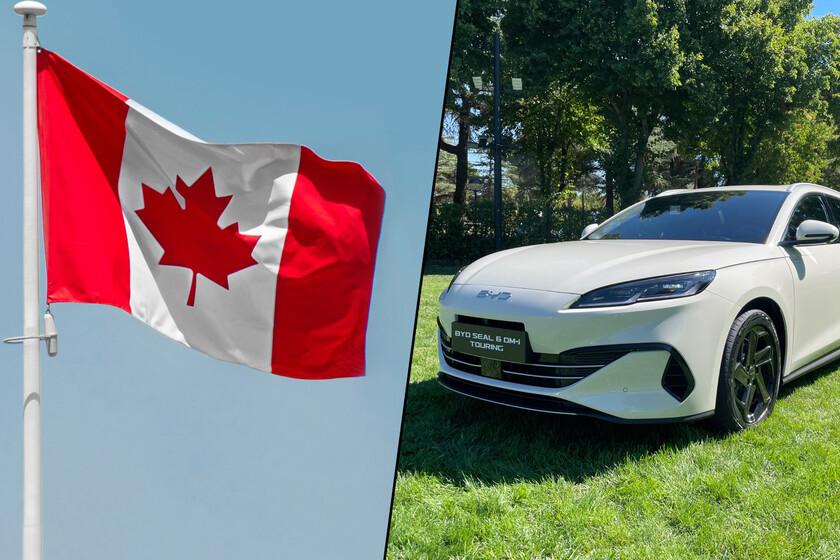
Mark Carney Reassures Donald Trump on Capping Chinese Electric Vehicle Imports at G7
13 sources compared

United States And Iran Digitally Sign Memorandum To End War, Reopen Strait Of Hormuz
41 sources compared

US And Iran Sign Memorandum Of Understanding Ending Hostilities, Setting 60-Day Nuclear Talks
16 sources compared

Edwards Air Force Base Identifies 8 Killed in B-52H Crash After Takeoff
18 sources compared