South America12 December, 20252 min read
United States Seizes Venezuelan Oil Tanker Skipper Bound for Cuba
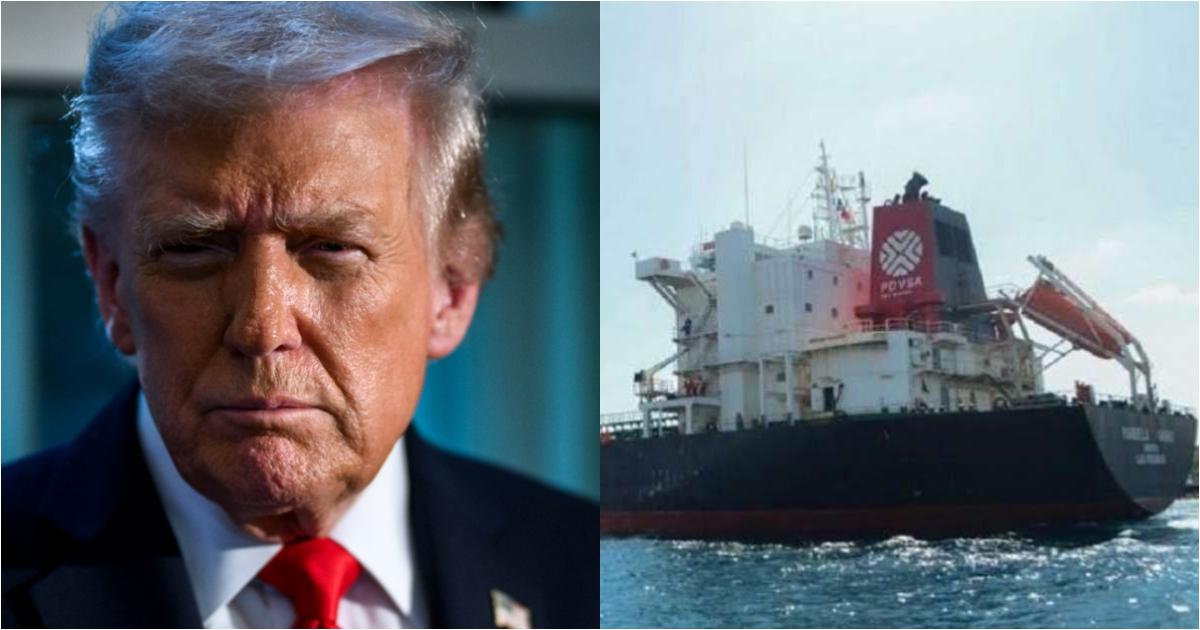
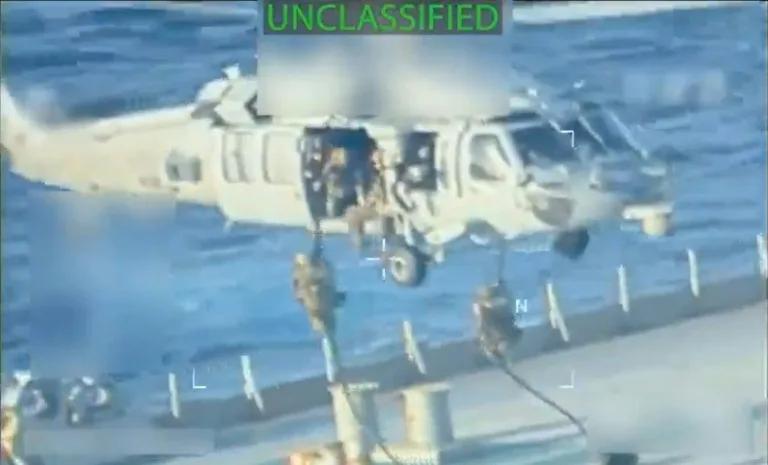
U.S. forces boarded and seized the oil tanker Skipper off Venezuela using helicopter operations. Skipper departed with about two million barrels of Venezuelan heavy crude bound for Cuba's Matanzas.

26 outlets told this the same way.
Outlets did split on Alexandre de Moraes Orders Eduardo Bolsonaro Arrest, Cancels Passport, Enforces Four-Year Sentence →
Skipper tanker seizure
U.S. authorities this month intercepted and seized the oil tanker Skipper in international waters off Venezuela after boarding the vessel.
“The Skipper left Venezuela on Dec. 4; on Dec. 6 roughly 50,000 barrels were transferred to the Neptune 6, which sailed for Cuba, while the Skipper proceeded toward Asia.”
PDVSA documents and shipping data indicate the ship left Venezuela on Dec. 4 with nearly two million barrels of heavy crude and performed a roughly 50,000-barrel ship-to-ship transfer to another tanker that then sailed toward Cuba while the Skipper continued toward Asia.
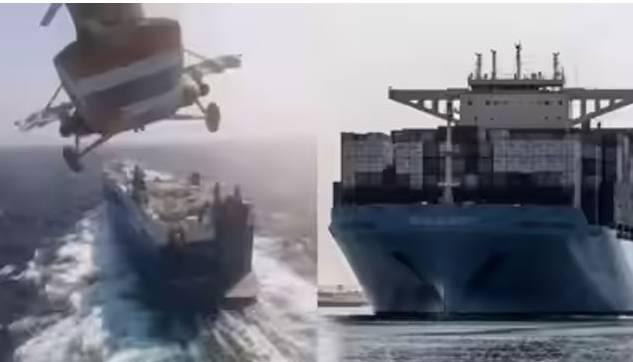
Reporting across outlets ties the seizure to an investigation of sanctioned shipments and an opaque network that has moved Venezuelan oil to Cuba and on to buyers such as China.
The United States has said the ship was part of an illicit shipping network and has sanctioned individuals and firms tied to the trade.
Venezuela-Cuba oil trade
Reporting emphasizes a broader commercial and political pattern in which Venezuela has long supplied subsidized oil to Cuba in exchange for Cuban personnel. Investigators say much of the oil nominally destined for Havana has instead been resold, often to China, to generate hard currency for the Cuban regime.
This week the United States Treasury imposed sanctions on Panamanian trader Ramón Carretero for allegedly facilitating Venezuelan petroleum shipments to Cuba. Outlets cite PDVSA records and tanker-tracking data showing that Cubametales and firms linked to Carretero handled significant volumes this year.

Disruption of shadow oil fleet
U.S. authorities and allied groups describe the seizure as part of a campaign to disrupt a so-called shadow fleet that moves sanctioned Venezuelan and Iranian oil. U.S. officials have unsealed indictments and applied Treasury sanctions to shipping firms and traders.
“The moves come alongside new U.S. Treasury sanctions on shipping firms, vessels and members of Nicolás Maduro’s family and a buildup of U.S. military assets in the Caribbean — part of Operation Southern Spear and broader efforts to disrupt Venezuelan oil exports and a global 'shadow fleet' of tankers evading sanctions, while increasing pressure on Maduro, who faces U.S. narco-terrorism indictments.”
Some outlets report the Skipper previously belonged to Iran's shadow fleet and carried mainly Russian crew. Advocacy groups and U.S. officials have alleged links between clandestine tanker operations and funding for Iran-linked actors.
Reactions to ship seizure
Reactions diverge sharply over the seizure. Cuba condemned the action as piracy and said U.S. measures worsen 'maximum pressure' on the island. Venezuela called the move theft and international piracy.
China protested the action as illegitimate. Conversely, U.S. officials and some U.S. outlets described the operation as lawful enforcement against sanction evasion and warned of further seizures and sanctions.
Regional seizure impacts and coverage
Analysts and regional commentators warn the seizure could have economic and humanitarian effects in Venezuela and Cuba and increase regional tensions. Some reporting notes immediate disruption at Venezuelan ports, potential revenue losses for Caracas, and the possibility that repeated seizures would deepen Venezuela’s fiscal crisis.
“PDVSA documents and tanker-tracking data indicate that much of the oil nominally reserved for Cuba is instead resold to China, generating hard currency that helps the Cuban regime.”
U.S. officials argue the campaign cuts illicit financing. Coverage varies by source type — Latin American outlets emphasize economic fallout and domestic political consequences, while U.S. and security-focused outlets emphasize national security and sanctions enforcement.