Technology and Science13 March, 20262 min read
University of Cambridge Researchers Urge Tighter Regulation Of AI Talking Toys For Under-Fives
This article is an automated aggregation of coverage from news outlets. Our editorials offer in-depth analysis curated by the NewsCord team.
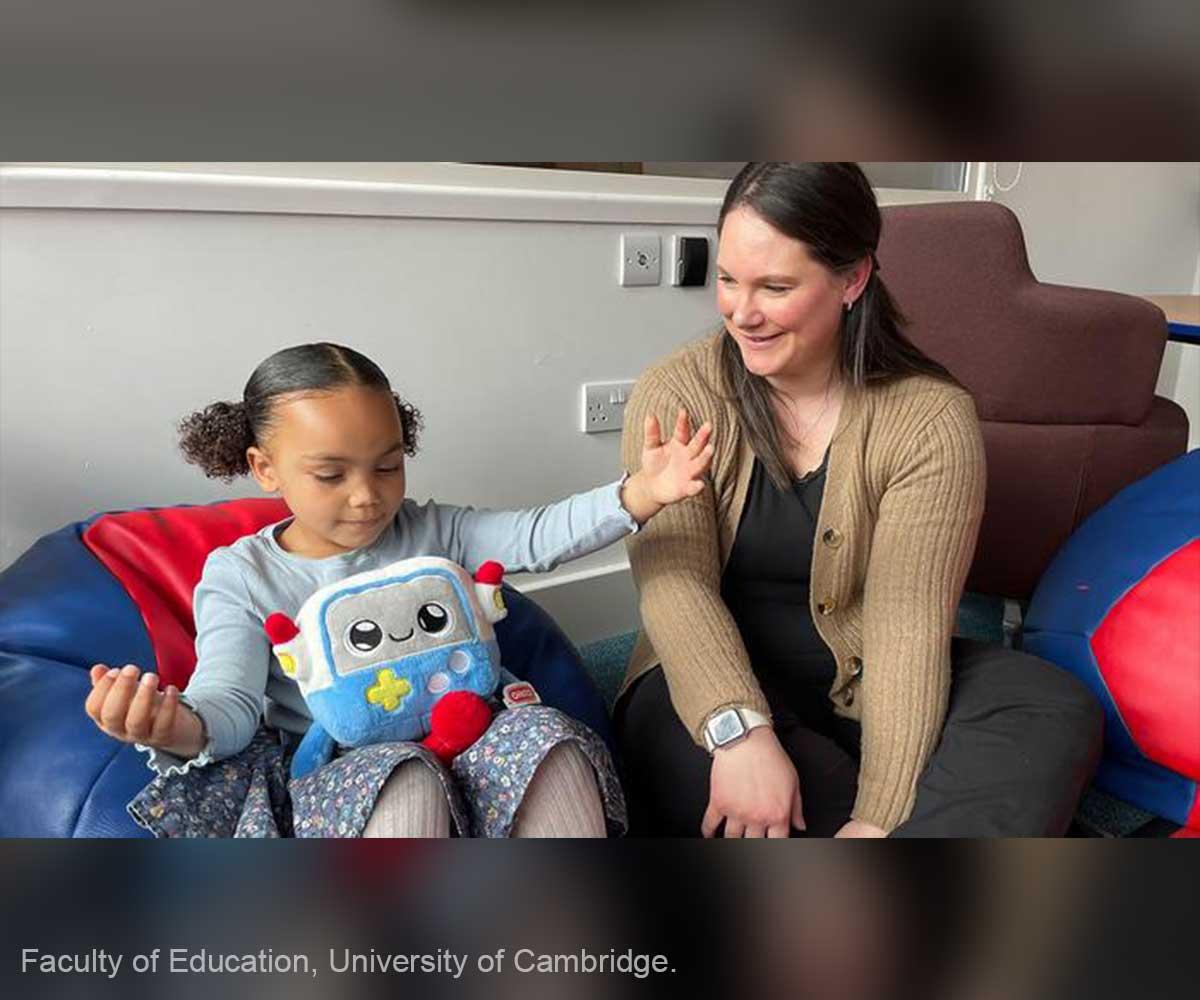
Cambridge researchers urge tighter regulation and safety kitemarks for generative AI toys for under-fives Researchers conducted one of the first systematic observations of three-to-five-year-olds interacting with Gabbo
Study calls for regulation
University of Cambridge researchers say AI-powered “talking” toys for under-fives deserve tighter rules and new safety marks after their year‑long study found important gaps in psychological safety and design. The initial report — part of the AI in the Early Years project — recommends clearer regulation and safety kitemarks for toys that converse with very young children, arguing these products are being marketed as companions without sufficient evidence about developmental effects. The study’s recommendation to tighten regulation is echoed across national outlets, highlighting broad concern about how these devices are presented to parents and educators.
“AI-powered toys that ‘talk’ with young children should be more tightly regulated and carry new safety kitemarks, according to a report that warns they are not always developed with children's psychological safety in mind.”
Study design and sample
The Cambridge project was deliberately small-scale and mixed methods: researchers ran structured observations of very young children interacting with a GenAI soft toy called Gabbo, surveyed early years educators, held focus groups with practitioners, and interviewed children and parents after play sessions. The team worked with charities and children’s centres to video-record 14 children playing with Gabbo and engaged 19 children’s charity leaders, aiming to capture nuanced, first-time interactions rather than broad population estimates. The authors also note that there is very little prior research — they found only seven relevant studies worldwide and none that directly focused on toddlers.
Observed interaction problems
Researchers repeatedly observed that conversational AI toys struggled with core elements of early play: they had trouble with social and pretend play, often misunderstood children, and sometimes responded in ways that were inappropriate to the child’s emotion or intent.
“The researchers also found, however, that GenAI toys struggle with social and pretend play, misunderstand children, and react inappropriately to emotions.”
In recorded sessions the toy either ignored interruptions, misattributed speech (answering a parent rather than a child), or activated content‑safety guardrails mid‑conversation — for example replying to a five‑year‑old’s “I love you” with a policy reminder — undermining fluent, comforting interaction.
Psychological risks noted
The report flags psychological and relational risks: because toys can misread emotions or respond inappropriately, children may become emotionally unsupported by both the toy and adults, and may form parasocial attachments.
Researchers warned that toys often affirm their friendship with very young children who are still learning what friendship means, which could displace sharing feelings with caregivers and create unhealthy relationships if design and labeling do not prevent it.
Recommendations and guidance
To address these problems the researchers recommend clearer regulation and labeling, limits on toys affirming friendship for very young children, industry testing standards, and visible safety kitemarks so parents can judge appropriateness; they also call for public discussion about what forms regulation should take.
“The researchers have recommended regulations to ensure psychological safety by limiting toys’ ability to affirm friendship and other sensitive relational areas with young children and to ensure labelling standards to clearly communicate toy features to consumers.”
The report’s authors and commentators urge parents and educators to proceed with caution, and for companies to improve social and emotional response design and transparency about features and privacy.