
DR Congo · 16 November, 2025 · 2 min read
Unsafe Makeshift Bridge at DR Congo Copper Mine Collapses After Miners' Hasty Crossing, Kills 32
At least 32 miners died when a bridge collapsed at the Kalando mine, Lualaba province The bridge fell into a flooded trench at the mine
11 outlets told this the same way.
Outlets did split on Drone Strike in Goma Kills French UN Aid Worker; M23 Blames Congolese Forces, Kinshasa Denies →
11outlets compared
Kalando mine collapse
An overcrowded makeshift bridge at the Kalando mine in Lualaba province, southeastern Democratic Republic of Congo, collapsed on Saturday after miners rushed across it. The collapse killed dozens and left others injured and missing. Provincial Interior Minister Roy Kaumba Mayonde confirmed at least 32 fatalities, saying the deaths were reported Sunday.
“At least 32 people were killed when an overcrowded makeshift bridge at a copper mine in the Democratic Republic of Congo collapsed into a flooded ditch on Saturday, officials said.”
Officials said the bridge gave way into a flooded trench after miners forced access despite a ban because of heavy rain and landslide risk. The site is described variously as a copper, semi-industrial copper or cobalt mine. Rescuers recovered bodies as searches continued while authorities suspended activity at the site.
Mine stampede causes and toll
Reports point to panic and a stampede as the immediate trigger. Artisanal mining agency SAEMAPE and several outlets said gunfire reportedly came from military personnel securing the site. The gunfire caused miners to rush and overloaded the narrow bridge.
SAEMAPE at one point gave a higher toll, before provincial officials later confirmed 32. Authorities said access had been formally banned because of heavy rain and landslide risk. However, illegal "wildcat" diggers entered the site, contributing to dangerous overcrowding.
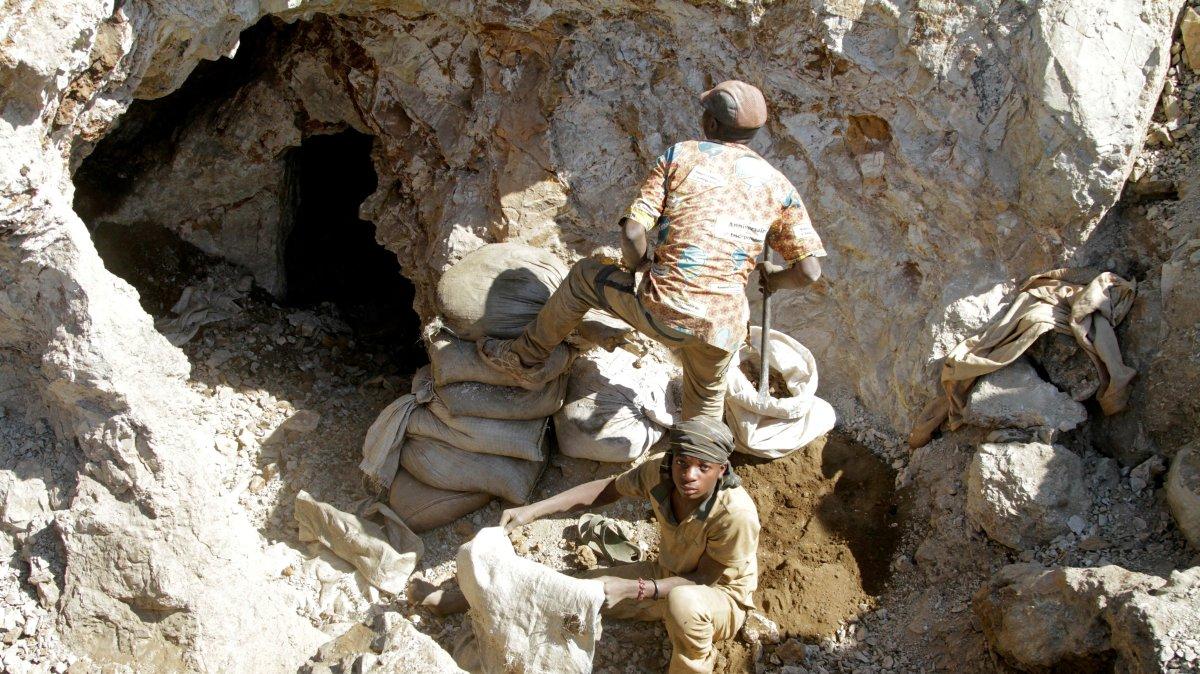
Contested casualty figures
Casualty figures remain contested. Provincial officials repeatedly cited 'at least 32' deaths, while SAEMAPE or unnamed officials gave higher counts, including a SAEMAPE-linked figure of 49 dead and 20 critically injured reported to Reuters. Other accounts and social media posts suggested even larger tolls, and several outlets explicitly note that figures are preliminary and vary between officials and the artisanal mining agency.
“Mayonde put the death toll at at least 32 while the report said about 40 people died.”
Artisanal mining in Congo
The incident is framed within broader, long-standing hazards of Congo's artisanal mining sector. Multiple outlets highlight the risks of illegal or 'wildcat' mining, allegations of child labour and corruption.
They also note the country's dominant role in the cobalt market, with figures variously quoted as over 70% or around 80% of global cobalt production. Estimates of how many people artisanal mining employs range from about 1.5–2 million to only hundreds of thousands, depending on the source.
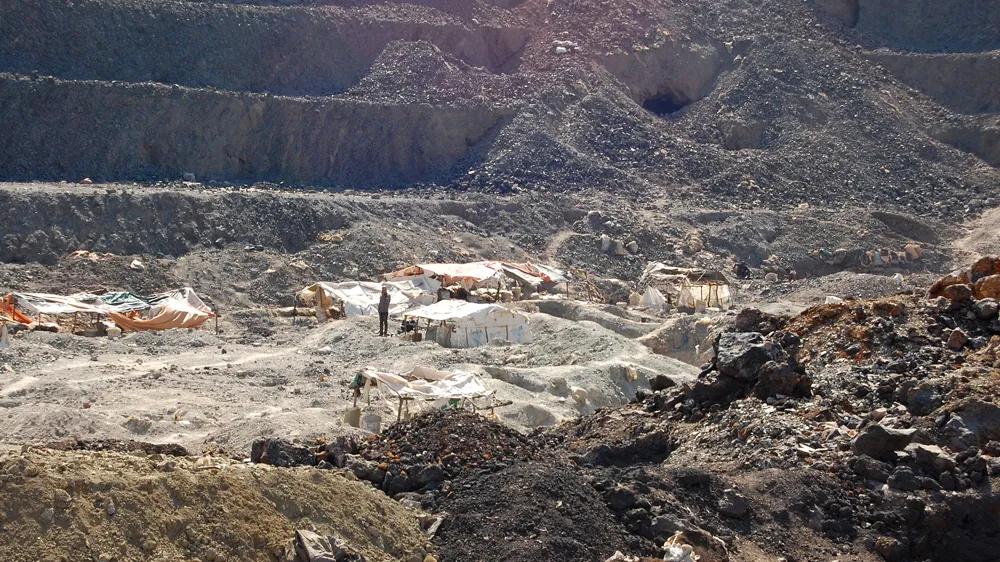
Investigations into military role
Officials have opened investigations and activists have demanded independent probes into the military’s role. Provincial Interior Minister Mayonde said an investigation was opened to determine responsibility. Authorities suspended activity at the site.
“Provincial Interior Minister Roy Kaumba Mayonde blamed the accident on the ‘hasty crossing of the diggers’ and said an investigation has been opened to determine responsibility.”
Human rights groups and the Initiative for the Protection of Human Rights called for independent inquiries after reports of clashes or gunfire. The military has not publicly commented in several accounts.
