
Ursula Von Der Leyen Warns of New Chinese Shock at G7 in Évian-les-Bains
Key Takeaways
- Ukraine and Iran dominate the G7 summit agenda.
- Trump's presence shapes talks, prioritizing Ukraine over other issues.
- China's role in global trade features prominently, prompting warnings.
G7, China, and “shock”
At the G7 summit in Évian-les-Bains, France, Ursula von der Leyen warned against a 'new Chinese shock' and criticized Beijing for a 'model of domination, dependence, and blackmail' toward trading partners.
Von der Leyen said China holds a near-monopoly on rare earths and that 'China uses this near-monopoly not only as a bargaining chip, but also as a weapon to weaken its competitors in key sectors,' during a thematic session at the summit.

The Euronews report links the rare-earth dispute to retaliatory escalation after Donald Trump imposed substantial tariffs, and it notes that last week the two sides announced a détente deal aimed at reducing tariffs and easing export restrictions.
In a separate account of the same summit week, WKMG framed the issue as 'China Shock 2.0,' saying Chinese exports are surging as they redirect products away from the U.S. tariff wall toward more open markets in Europe and elsewhere in Asia.
WKMG added that French President Emmanuel Macron warned Chinese exports are 'literally killing a large part of the European industry' and said Europe was 'slow to see that.'
BRICS, demographics, and power
While the G7 debate centers on China’s trade and strategic minerals, Geopolitica.info traces the rise of BRICS from a 2006 UN General Assembly session through a BRIC Summit on 16 June 2009 and later the formalization of South Africa’s entry into BRICS.
Geopolitica.info says the group’s 2013 summit in Durban in Sudafrica advanced a proposal for a new international bank, culminating in the formation of the New Developement Bank in 2014.

In parallel, HuffPost Italia reports that in 2025 China’s birth rate fell to about 5.6 nati per mille abitanti and that the population decreased for the fourth year in a row by about 3.4 million people, reaching around 1,405 miliardi.
Le Temps adds that China recorded 7.92 million births in 2025, with a birth rate of 5.63 per 1,000 people, and it reports that the Chinese population declined for the fourth consecutive year.
Together, the two demographic reports depict a China facing accelerated aging and a shrinking population as the G7 and BRICS narratives compete over global influence.
What’s at stake next
The WKMG account warns that 'China’s export surge, unless its leaders rein it in, will provoke a protectionist wave against Chinese imports worldwide,' and it ties the risk to potential disruptions around the Iran war and a sharper global slowdown.
WKMG also says the Europeans hope to persuade Trump to stop targeting U.S. allies like the European Union and Canada with punitive tariffs and to start working with them instead to counter China.
In the same summit framing, Euronews reports von der Leyen said 'A common G7 response would increase our influence, pressing China to take greater responsibility for the impact of its state-directed growth model.'
Newsweek’s description of the Évian summit emphasizes that the guest list is designed as 'the first draft of a post-American G7,' and it says the invitees are 'the insurance policies' as America remains seated at the table.
Newsweek also reports that the 2026 summit hosted by France runs from June 15 to 17, and it states that the G7 still has 'money, armies and institutions' even as it lacks 'demographic or economic monopoly.'
More on USA
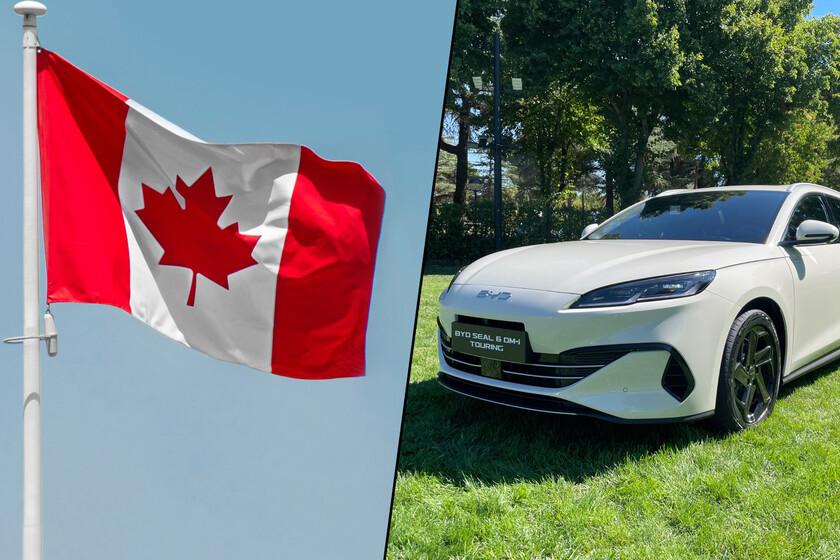
Mark Carney Reassures Donald Trump on Capping Chinese Electric Vehicle Imports at G7
13 sources compared

United States And Iran Digitally Sign Memorandum To End War, Reopen Strait Of Hormuz
41 sources compared

US And Iran Sign Memorandum Of Understanding Ending Hostilities, Setting 60-Day Nuclear Talks
16 sources compared

Edwards Air Force Base Identifies 8 Killed in B-52H Crash After Takeoff
18 sources compared