
U.S. Airstrikes Iran After Iranian Drones Attack M/T Kiku in Strait of Hormuz
Key Takeaways
- U.S. struck Iranian missile and drone storage sites and coastal radar sites.
- Iran claimed retaliation by striking U.S.-linked targets in the region.
- The ceasefire is strained as Trump accuses Tehran of violating it.
Strikes Test Ceasefire
The U.S. military launched a fresh round of airstrikes against targets in Iran on Saturday, hours after Iranian officials said they were targeting U.S. interests in the Middle East.
Central Command said its forces targeted Iranian military infrastructure, including communication systems, air defense sites and drone storage facilities, along with its capabilities to lay mines, in response to what it called “continued Iranian aggression against commercial shipping.”

The clashes marked “the latest threat to a ceasefire and ongoing talks toward a broader peace,” as the U.S. and Iran continued to accuse each other of violating last week’s agreement.
The Independent said the U.S. carried out further strikes on Iran on Saturday, targeting various sites including military surveillance infrastructure, after U.S. Central Command said Iran launched a one-way attack drone that hit M/T Kiku.
In the Strait of Hormuz, the U.S. said it struck Iran after a Panama-flagged tanker was attacked by an Iranian drone early on Saturday, while Iran said it responded by striking targets linked to U.S. forces.
Voices and Warnings
Vice President JD Vance defended the renewed U.S. strikes in a statement shared on social media, writing, “Iran signed a ceasefire agreement. We have honored it.”
Vance added, “If they have disagreements about how the MOU is being applied, they can pick up the phone. But violence will be met with violence,” framing the U.S. response as conditional on how the memorandum is applied.

The Hill reported that Bahrain’s Council of Representatives speaker Ahmed bin Salman Al Musallam “strongly condemned” Iran’s attack on Bahrain and called it a “flagrant violation” of the country’s sovereignty.
Iranian officials disputed the ceasefire narrative, with Ebrahim Azizi, head of the national security commission of the parliament, saying on X, “The U.S. attacked Iran in the middle of negotiations once again.”
The Independent also quoted a U.S. Central Command statement saying Iran “was given a chance to honour the ceasefire agreement but elected not to,” as the two sides continued to trade accusations over the agreement’s terms.
What’s at Risk Next
The PBS report said the U.S. struck Iran on Friday in response to a drone attack a day earlier on a cargo ship in the Strait of Hormuz, calling it “the most significant test yet” to an interim understanding reached a week ago.
PBS said the International Maritime Organization halted evacuations after the attack and that they “won’t resume until there are guarantees that the other ships won’t be attacked,” leaving about 500 ships still in the area.
The Associated Press account also said the interim deal gives the two sides “60 days to work out the details,” including getting ships through the key strait and addressing the future of Iran’s stockpile of highly enriched uranium.
In the same reporting, Arsenio Dominguez said about 115 ships were able to move out of the strait in recent days, while Windward said the strait “remains operationally open with 43 transits recorded after the incident,” but “the pace of normalization has slowed.”
The Washington Post framed the renewed fighting as a threat to “ongoing talks toward a broader peace,” with Central Command describing its strikes as targeting Iranian military infrastructure in response to aggression against commercial shipping.
More on USA
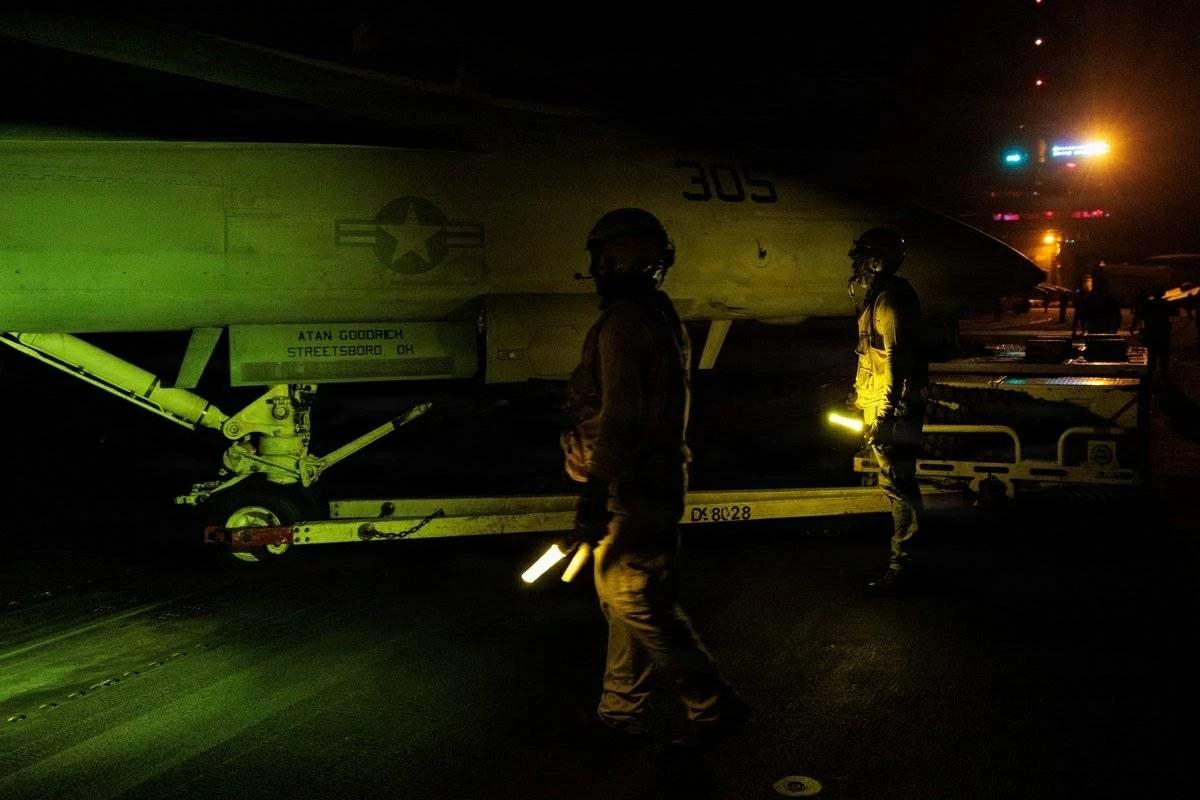
U.S. Strikes Iran Again After Iranian Drone Attack on Panama-Flagged Tanker in Strait of Hormuz
19 sources compared

U.S. Launches Strikes Against Iran After Drone Attack on Panama-Flagged Tanker M/T Kiku
14 sources compared
Warren Jeffs and Samuel Bateman Convicted After Abuse Evidence Found in Texas and Arizona
13 sources compared

Gavin Newsom Calls For National Billionaires’ Tax After Opposing California 5% Wealth Measure
15 sources compared